1. Specifications Comparison
| Feature | Xiaomi 14 | OnePlus 12 | Practical Impact |
|---|---|---|---|
| Design | |||
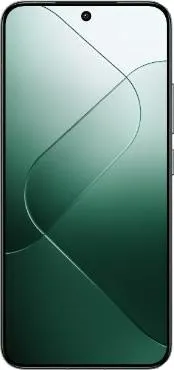
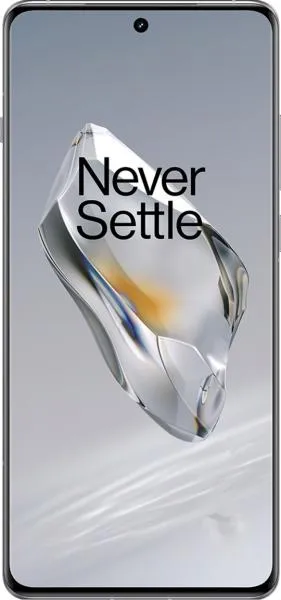
| Dimensions | 152.8 x 71.5 x 8.2 mm | 164.3 x 75.8 x 9.2 mm | OnePlus 12 is significantly larger and thicker. Xiaomi 14 will be more pocketable and easier to handle one-handed. |
| Weight | 188g | 220g | Xiaomi 14 is noticeably lighter, reducing hand fatigue during extended use. |
| Display | |||
| Size | 6.36" | 6.82" | OnePlus 12 offers a larger screen for more immersive media consumption and multitasking, but may be less comfortable for one-handed use. |
| Type | LTPO OLED | LTPO AMOLED | Both offer excellent color accuracy and power efficiency. Practical differences between OLED and AMOLED are negligible for most users. |
| Resolution | 1200 x 2670 | 1440 x 3168 | OnePlus 12 has a sharper display (higher pixel density) resulting in crisper text and images. |
| Peak Brightness | 3000 nits | 4500 nits | OnePlus 12's significantly higher peak brightness ensures better visibility in direct sunlight. |
| Refresh Rate | 120Hz | 120Hz | Both offer smooth scrolling and animations. |
| Performance | |||
| Chipset | Snapdragon 8 Gen 3 | Snapdragon 8 Gen 3 | Identical chipsets should result in similar performance. |
| CPU | Octa-core (1x3.3 GHz Cortex-X4 & 3x3.2 GHz Cortex-A720 & 2x3.0 GHz Cortex-A720 & 2x2.3 GHz Cortex-A520) | Octa-core (1x3.3 GHz Cortex-X4 & 3x3.2 GHz Cortex-A720 & 2x3.0 GHz Cortex-A720 & 2x2.3 GHz Cortex-A520) | Identical CPUs. |
| GPU | Adreno 750 | Adreno 750 | Identical GPUs. |
| RAM | 12GB | 16GB | OnePlus 12 having more RAM could provide better multitasking performance and prevent apps from closing in the background, especially with demanding applications. |
| Battery | |||
| Capacity | 4610 mAh | 5400 mAh | OnePlus 12 has a larger battery capacity, likely leading to longer battery life. |
| Camera | |||
| Video Capabilities | Extensive options up to 960fps slow-motion | Fewer slow-motion options, maxing out at 480fps | Xiaomi 14 provides more flexibility for slow-motion video recording. Further camera specifications (sensor size, aperture) are needed for a complete comparison. |
2. Key Differences Analysis
Xiaomi 14 Advantages:
- More Compact and Lighter: Easier to handle and carry.
- More Affordable: Typically priced lower than the OnePlus flagship models.
- Superior Slow-Motion Video: Offers significantly higher frame rates for slow-motion capture.
OnePlus 12 Advantages:
- Larger, Sharper Display: More immersive media consumption.
- Brighter Display: Excellent outdoor visibility.
- Larger Battery: Potentially longer battery life.
- More RAM: Improved multitasking and performance with demanding apps.
3. User Profiles & Recommendations
Xiaomi 14: Ideal for users who prioritize a compact and lightweight phone, value affordability, and frequently use slow-motion video recording. Suitable for one-handed use and everyday tasks.
OnePlus 12: Ideal for users who prioritize a large, high-quality display for media consumption and gaming, need long battery life, and demand high performance for multitasking. Suitable for power users and those who prioritize screen real estate.
4. Decision Framework
Key Questions for Buyers:
- What screen size do you prefer? Larger screen (OnePlus 12) for immersive media or smaller screen (Xiaomi 14) for one-handed usability?
- How important is battery life? The OnePlus 12 likely offers longer battery life.
- What is your budget? The Xiaomi 14 is generally more affordable.
My Choice: OnePlus 12
While the Xiaomi 14 offers a compelling compact design and impressive slow-motion capabilities, the OnePlus 12's larger, sharper, and brighter display, coupled with its larger battery and more RAM, makes it a more appealing overall package for my needs. I prioritize a great screen for media consumption and productivity, and the extra battery life and RAM are crucial for my usage patterns. The slight increase in size and weight is a trade-off I am willing to make for these benefits. Although lacking the extreme slow-motion capabilities of the Xiaomi 14, the OnePlus 12 still provides sufficient video recording features for my typical use.
