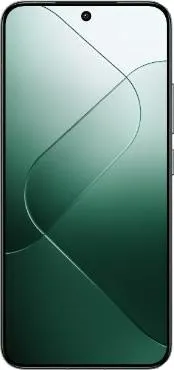
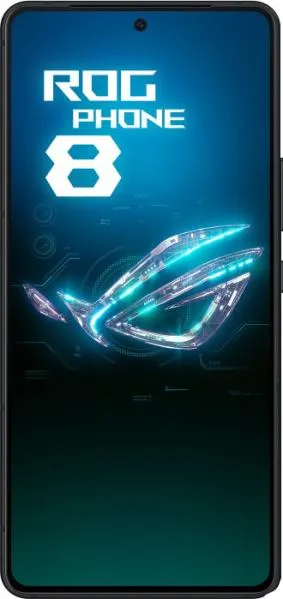
Xiaomi 14 vs. Asus ROG Phone 8: A Deep Dive
Let's dissect the Xiaomi 14 and the Asus ROG Phone 8, two powerful smartphones vying for your attention. We'll go beyond the spec sheet to uncover what these numbers really mean for your daily life.
1. Specifications Breakdown
| Feature | Xiaomi 14 | Asus ROG Phone 8 | Real-World Implications |
|---|---|---|---|
| Design | |||
| Dimensions | 152.8 x 71.5 x 8.2 mm | 163.8 x 76.8 x 8.9 mm | Xiaomi 14 is significantly more compact and pocketable. ROG Phone 8 is larger and heavier. |
| Weight | 188g | 225g | Noticeable difference in hand; Xiaomi 14 is more comfortable for extended use. |
| Display | |||
| Size | 6.36" | 6.78" | ROG Phone 8 offers a larger screen for media consumption; Xiaomi 14 is more one-hand friendly. |
| Type | LTPO OLED | LTPO AMOLED | Both offer excellent color accuracy and deep blacks. |
| Refresh Rate | 120Hz | 165Hz | ROG Phone 8 provides smoother animations and scrolling, especially noticeable in gaming. |
| Peak Brightness | 3000 nits | 2500 nits | Xiaomi 14 boasts exceptional outdoor visibility. |
| Resolution | 1200 x 2670 | 1080 x 2400 | Xiaomi 14 has a sharper display (460 ppi vs. 388 ppi). |
| Performance | |||
| Chipset | Snapdragon 8 Gen 3 | Snapdragon 8 Gen 3 | Identical flagship processors ensure top-tier performance in both devices. |
| CPU | Octa-core (1x3.3 GHz...) | Octa-core (1x3.3 GHz...) | Same CPU configuration indicates comparable processing power. |
| GPU | Adreno 750 | Adreno 750 | Identical GPUs deliver similar graphics performance. |
| RAM | 12GB | 16GB | ROG Phone 8's extra RAM might provide a slight edge in multitasking and demanding applications. |
| Battery | |||
| Capacity | 4610 mAh | 5500 mAh | ROG Phone 8 offers significantly longer battery life. |
| Other | |||
| OS | Android 14 | Android 14 | Both run the latest Android version. ROG Phone 8 has a shorter update window (max Android 16). |
| Storage | 256/512GB | 256GB | Xiaomi 14 offers a 512GB storage option. |
2. Key Insights
- Performance Parity: Both phones pack the same powerful Snapdragon 8 Gen 3, promising blazing-fast speeds. The ROG Phone 8's extra 4GB of RAM might offer a slight advantage in heavy multitasking, but the difference will likely be negligible for most users.
- Display Dilemma: The Xiaomi 14 boasts a sharper, brighter display ideal for vibrant visuals and outdoor use. The ROG Phone 8 counters with a higher refresh rate for smoother gaming and scrolling.
- Portability vs. Power: The Xiaomi 14 prioritizes portability with its compact design and lighter weight. The ROG Phone 8 sacrifices some portability for a larger battery and screen.
- Gaming Focus: The ROG Phone 8's design, higher refresh rate display, and larger battery clearly target mobile gamers. While the Xiaomi 14 is a capable gaming device, the ROG Phone 8 offers a more immersive experience.
3. User Profiles and Recommendations
- Xiaomi 14: Ideal for users who prioritize a compact, stylish phone with a stunning display and all-around excellent performance. Perfect for everyday tasks, media consumption, and even moderate gaming.
- ROG Phone 8: Designed for mobile gaming enthusiasts who demand the highest refresh rates, long battery life, and don't mind a larger, heavier device.
4. Buying Decision Framework
- What's your primary use case? Everyday tasks and portability? Xiaomi 14. Hardcore gaming? ROG Phone 8.
- How important is battery life? Heavy user? The ROG Phone 8's larger battery is crucial. Moderate user? Xiaomi 14's battery will likely suffice.
- Do you prioritize one-handed usability? The Xiaomi 14 is significantly more compact.
My Choice: The Xiaomi 14
While the ROG Phone 8 is a gaming beast, I'd choose the Xiaomi 14. Its combination of a stunning, sharp display, compact design, and powerful performance aligns perfectly with my daily needs. I value portability and a premium feel, and the Xiaomi 14 delivers on both fronts. While I enjoy mobile games, I'm not a hardcore gamer who needs the absolute highest refresh rate. The brighter display and more pocketable form factor of the Xiaomi 14 are more compelling to me. The longer software update window is also a big plus. Ultimately, it's a more balanced and versatile device that fits my lifestyle better.
