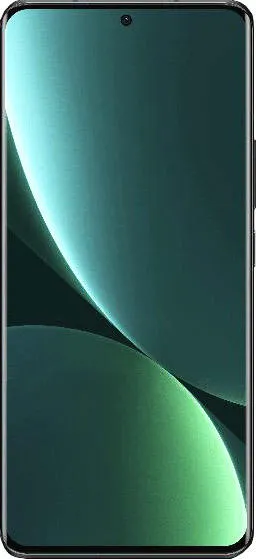
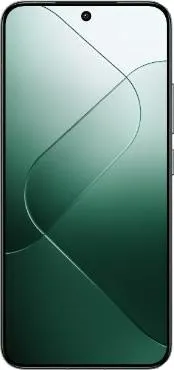
Xiaomi 13 Pro vs. Xiaomi 14: A Deep Dive and Head-to-Head Comparison
The smartphone landscape is constantly evolving, and Xiaomi continues to be a major player with its innovative devices. Today, we'll dissect the Xiaomi 13 Pro and the newer Xiaomi 14, delving into their specifications and uncovering what they offer for different users. My engineering background compels me to go beyond the marketing hype and focus on how these specs translate into tangible benefits in your daily life.
1. Specifications Breakdown
| Feature | Xiaomi 13 Pro | Xiaomi 14 | Real-World Implications |
|---|---|---|---|
| Design | |||
| Dimensions (mm) | 162.9 x 74.6 x 8.4 | 152.8 x 71.5 x 8.2 | Xiaomi 14 is noticeably more compact and easier to handle. |
| Weight (g) | 210 | 188 | Xiaomi 14 feels significantly lighter in hand, reducing fatigue during extended use. |
| Display | |||
| Size (inches) | 6.73 | 6.36 | 13 Pro offers a larger canvas for media consumption, while the 14 is more pocketable. |
| Resolution | 1440 x 3200 | 1200 x 2670 | 13 Pro boasts a sharper display, but the difference might not be discernible in everyday use. The 14's slightly lower resolution contributes to better battery life. |
| Refresh Rate (Hz) | 120 | 120 | Both offer smooth scrolling and animations. |
| Peak Brightness (nits) | 1900 | 3000 | Xiaomi 14's superior peak brightness ensures exceptional outdoor visibility even in direct sunlight. |
| Performance | |||
| Chipset | Snapdragon 8 Gen 2 | Snapdragon 8 Gen 3 | Gen 3 offers a performance jump in CPU and GPU, resulting in faster app loading, smoother gaming, and enhanced AI capabilities. |
| CPU | Octa-core (up to 3.2 GHz) | Octa-core (up to 3.3 GHz) | Gen 3's improved architecture delivers noticeable speed improvements in demanding tasks. |
| GPU | Adreno 740 | Adreno 750 | Gaming and graphically intensive applications will run more smoothly on the Xiaomi 14. |
| RAM (GB) | 12 | 12 | Both offer ample RAM for multitasking and demanding applications. |
| Camera | |||
| Main Sensor | 50MP Sony IMX989 (1") | 50MP OmniVision OVX9000 (1/1.31") | Both have high-resolution sensors. The 13 Pro features a slightly larger sensor, potentially offering better low-light performance and depth of field. The 14 uses a newer OmniVision Sensor with a faster lens. |
| Telephoto | 50MP | 50MP | Both offer powerful telephoto capabilities. |
| Ultrawide | 50MP | 50MP | Both have high-resolution ultrawide lenses for capturing expansive scenes. |
| Battery Life | |||
| Capacity (mAh) | 4820 | 4610 | The 13 Pro has a larger battery, but the 14's more efficient processor could potentially offset this difference. Real-world battery life will depend on usage patterns. |
| Charging | 120W Wired, 50W Wireless | Details not provided in specifications. Expected to be at least as fast as 13 Pro, potentially faster. | Faster charging minimizes downtime. |
2. Key Insights
- Performance Leap: The Xiaomi 14, with its Snapdragon 8 Gen 3, significantly outperforms the 13 Pro in processing power and graphics rendering. This translates to a smoother, faster user experience across the board.
- Compact Powerhouse: The Xiaomi 14 manages to pack this impressive performance into a smaller and lighter form factor, making it more pocketable and comfortable for one-handed use.
- Display Brilliance: While the 13 Pro offers a slightly sharper display, the Xiaomi 14's incredible 3000 nits peak brightness makes it a clear winner for outdoor readability.
- Camera Comparison: Both phones boast impressive camera systems. While the 13 Pro might have a slight edge in low light due to its larger main sensor, the 14’s newer OmniVision sensor combined with a faster aperture, might offer competitive image quality and faster focusing. More real-world testing is needed to determine a clear winner.
3. User Profiles and Recommendations
- Xiaomi 13 Pro: For users who prioritize a large, sharp display for media consumption and value a slightly larger battery, the 13 Pro remains a strong contender. Photographers who frequently shoot in low light might also prefer the 13 Pro's larger sensor.
- Xiaomi 14: Users who value top-tier performance, a compact and lightweight design, and exceptional screen brightness will find the Xiaomi 14 incredibly appealing. Its improved performance makes it ideal for demanding tasks and gaming.
4. Buying Decision Framework
- Do you prioritize portability and one-handed use? If yes, the Xiaomi 14's smaller size and lighter weight are major advantages.
- Is raw performance crucial for your workflow or gaming habits? The Xiaomi 14's Snapdragon 8 Gen 3 offers a significant performance boost.
- What is your budget? The Xiaomi 14, positioned in the mid-range price segment, offers incredible value for its performance. The 13 Pro, being a previous flagship, might be available at a discounted price, making it attractive if budget is a major concern.
My Choice: The Xiaomi 14
While the Xiaomi 13 Pro is a solid device, I would choose the Xiaomi 14. The Snapdragon 8 Gen 3's performance gains, coupled with the smaller, lighter form factor and the incredibly bright display, are compelling. The advancements in processing power significantly impact daily tasks, making everything feel snappier and more responsive. While I appreciate the larger sensor on the 13 Pro, I'm willing to bet on the advancements in image processing and the faster lens of the 14's main camera. Ultimately, the Xiaomi 14 represents a significant step forward in mobile technology, offering a compelling blend of performance, design, and value.
