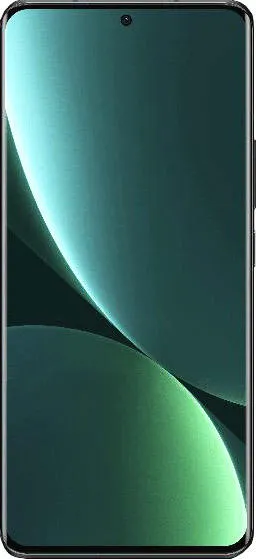
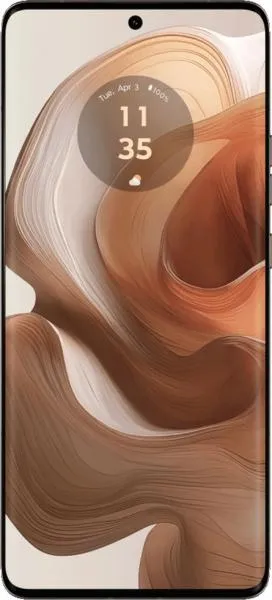
Xiaomi 13 Pro vs. Motorola Edge 50 Ultra: A Deep Dive
Let's dissect the Xiaomi 13 Pro and the Motorola Edge 50 Ultra, two powerful smartphones vying for your attention. We'll go beyond the spec sheets to uncover what these numbers truly mean for your daily life.
1. Specifications Breakdown
| Feature | Xiaomi 13 Pro | Motorola Edge 50 Ultra | Real-World Implications |
|---|---|---|---|
| Design | |||
| Dimensions (mm) | 162.9 x 74.6 x 8.4 | 161.1 x 72.4 x 8.6 | Edge 50 Ultra slightly smaller, but both are large phones. |
| Weight (g) | 210 | 197 | Xiaomi feels more substantial, Edge 50 Ultra lighter in hand. |
| Display | |||
| Size (inches) | 6.73 | 6.7 | Negligible difference in screen real estate. |
| Resolution | 1440 x 3200 | 1220 x 2712 | Xiaomi boasts sharper visuals due to higher pixel density. Noticeable in fine details and text clarity. |
| Refresh Rate (Hz) | 120 (LTPO) | 144 | Edge 50 Ultra offers smoother animations and scrolling, but Xiaomi's LTPO allows for dynamic refresh rate adjustment to conserve battery. |
| Peak Brightness (nits) | 1900 | 2500 | Edge 50 Ultra significantly brighter for better outdoor visibility. |
| Performance | |||
| Chipset | Snapdragon 8 Gen 2 | Snapdragon 8s Gen 3 | Edge 50 Ultra has a slightly newer processor, expecting marginal performance gains in benchmarks, but real-world difference likely minimal. |
| RAM (GB) | 12 | 16 | Edge 50 Ultra offers more RAM for heavier multitasking, but 12GB is already ample for most users. |
| Camera | |||
| Main Sensor | 50MP (1-inch) Sony IMX989 | 50MP OmniVision OV50H | Xiaomi's larger sensor captures more light, potentially resulting in better low-light performance and dynamic range. |
| Telephoto | 50MP, 3.2x Optical Zoom | 64MP, 3x Optical Zoom | Edge 50 Ultra has higher telephoto resolution, but both offer comparable zoom capabilities. |
| Ultrawide | 50MP | 50MP | Similar ultrawide capabilities on paper. |
| DXOMARK Score | 136 | 146 | Edge 50 Ultra scores higher overall in DXOMARK, suggesting better overall image quality, but real-world results can vary. |
| Battery Life | |||
| Capacity (mAh) | 4820 | 4500 | Xiaomi has a larger battery capacity, potentially translating to longer usage time. |
| Charging | 120W Wired, 50W Wireless | 125W Wired, 50W Wireless | Both offer incredibly fast wired charging, minimizing downtime. |
2. Key Insights
- Display: The Xiaomi 13 Pro offers a sharper display, while the Motorola Edge 50 Ultra boasts a higher refresh rate and brighter screen.
- Performance: Both phones are performance powerhouses, but the Motorola Edge 50 Ultra might have a slight edge due to its newer processor and larger RAM. Real-world differences will likely be minimal for average users.
- Camera: The Xiaomi 13 Pro utilizes a larger main sensor for potentially superior low-light photography. The Motorola Edge 50 Ultra boasts a higher DXOMARK score and a higher resolution telephoto lens. This category is a close call and may depend on individual photography preferences.
- Battery: The Xiaomi 13 Pro's larger battery might provide longer endurance. Both phones offer blazing-fast charging speeds.
3. User Profiles and Recommendations
- Xiaomi 13 Pro: Suited for users who prioritize a sharp display, potentially better low-light camera performance, and longer battery life.
- Motorola Edge 50 Ultra: Best for users who value a smooth, bright display, slightly faster performance for demanding tasks, and a highly rated camera system overall. Also a good choice for those who want the latest and greatest hardware.
4. Buying Decision Framework
- Is display sharpness or smoothness more important to you? Xiaomi for sharpness, Motorola for smoothness.
- Are you a heavy mobile photographer, especially in low light? Xiaomi's larger sensor might be advantageous.
- Is battery life a top priority? Xiaomi's larger battery could provide more usage time.
My Choice: Xiaomi 13 Pro
While the Motorola Edge 50 Ultra is a compelling device, I would choose the Xiaomi 13 Pro. The combination of a sharper display, potentially superior low-light camera performance due to the 1-inch sensor, and larger battery capacity aligns better with my priorities. I value image quality and battery life highly. While the Edge 50 Ultra's higher refresh rate is tempting, the Xiaomi 13 Pro's LTPO panel mitigates some of the battery concerns associated with high refresh rate displays. Ultimately, the Xiaomi 13 Pro offers a well-rounded package that best suits my needs.
