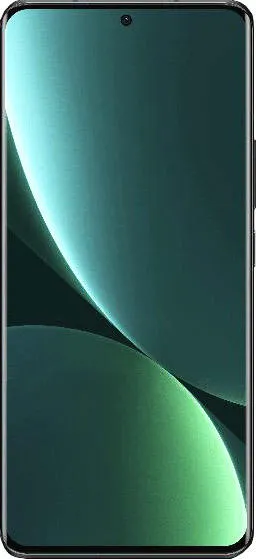
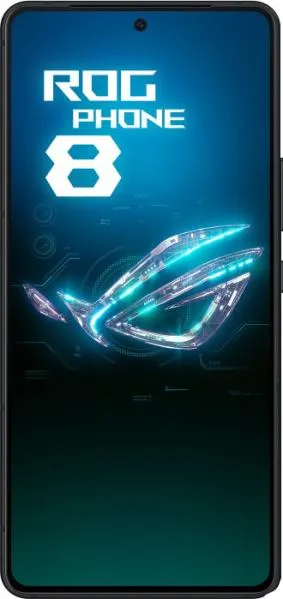
Xiaomi 13 Pro vs. Asus ROG Phone 8: A Deep Dive
Let's dissect the Xiaomi 13 Pro and the Asus ROG Phone 8, two powerful smartphones targeting different user demographics. We'll go beyond the spec sheet to understand what these numbers mean for your daily life.
1. Specifications Breakdown
| Feature | Xiaomi 13 Pro | Asus ROG Phone 8 | Real-World Implications |
|---|---|---|---|
| Design | |||
| Dimensions (mm) | 162.9 x 74.6 x 8.4 | 163.8 x 76.8 x 8.9 | ROG Phone 8 is slightly larger and thicker. |
| Weight (g) | 210 | 225 | ROG Phone 8 is noticeably heavier, potentially impacting one-handed use. |
| Display | |||
| Size (inches) | 6.73 | 6.78 | Negligible size difference. |
| Resolution | 1440 x 3200 | 1080 x 2400 | Xiaomi boasts a sharper display (QHD+) resulting in crisper text and images. ROG Phone 8 is FHD+. |
| Refresh Rate (Hz) | 120 | 165 | ROG Phone 8 offers smoother scrolling and animations, ideal for gaming. |
| Peak Brightness | 1900 nits | 2500 nits | ROG Phone 8 excels in outdoor visibility. |
| Performance | |||
| Chipset | Snapdragon 8 Gen 2 | Snapdragon 8 Gen 3 | ROG Phone 8 has a newer, more powerful processor. |
| CPU | Octa-core | Octa-core | Both offer top-tier performance, but Gen 3 will have an edge in demanding tasks and gaming. |
| RAM (GB) | 12 | 16 | ROG Phone 8 offers more RAM for multitasking and future-proofing. |
| Camera | |||
| Main Sensor | 50MP Sony IMX989 | 50MP Sony IMX890 | Both have high-resolution sensors, but image quality depends on processing and lens quality. |
| Ultrawide | 50MP | 13MP | Xiaomi's ultrawide offers significantly higher resolution. |
| Battery Life | |||
| Capacity (mAh) | 4820 | 5500 | ROG Phone 8 offers a larger battery, likely resulting in longer usage time. |
2. Key Insights
- Performance Powerhouse: The ROG Phone 8, with its Snapdragon 8 Gen 3 and higher RAM, is geared towards demanding users and mobile gamers. Its higher refresh rate display further enhances the gaming experience.
- Premium Visual Experience: The Xiaomi 13 Pro prioritizes a stunning display with a higher resolution and vibrant colors. The Leica-tuned camera system suggests a focus on photography enthusiasts.
- Battery Champion: The ROG Phone 8's larger battery capacity promises extended usage, crucial for gamers and power users.
3. User Profiles and Recommendations
- Xiaomi 13 Pro: Ideal for users who value a premium, sleek design, a brilliant display, and a top-tier camera. Content creators, photography enthusiasts, and those seeking a flagship experience will appreciate this device.
- Asus ROG Phone 8: Designed for mobile gamers, power users, and anyone who demands absolute peak performance. The larger battery and high refresh rate display cater to extended gaming sessions and heavy multitasking.
4. Buying Decision Framework
- What is your primary use case? Gaming? Photography? Everyday tasks?
- What is your budget? The ROG Phone 8 is listed as "medium price," while the Xiaomi 13 Pro is "high price."
- How important is battery life? If all-day battery is critical, the ROG Phone 8's larger battery might be the deciding factor.
Scenario-Based Recommendations:
- Heavy Gamer: ROG Phone 8, unequivocally.
- Photography Enthusiast: Xiaomi 13 Pro.
- Balanced User (Everyday Tasks, Social Media, Casual Gaming): Either phone would suffice, but the Xiaomi 13 Pro might offer a more refined overall experience for a slightly higher price.
My Choice: The Xiaomi 13 Pro
While the ROG Phone 8 boasts impressive performance, I would choose the Xiaomi 13 Pro. My priorities lean towards a refined overall experience. The sharper display, coupled with the promise of a Leica-tuned camera, appeals to my preference for high-quality visuals and content creation. While the ROG Phone 8's gaming prowess is tempting, I don't demand that level of performance for my daily usage. The Xiaomi 13 Pro strikes a better balance between performance, design, and camera capabilities for my needs. The slightly smaller battery is a trade-off I'm willing to make for a more pocketable and aesthetically pleasing device. Ultimately, the Xiaomi 13 Pro aligns better with my personal preferences and usage patterns.
