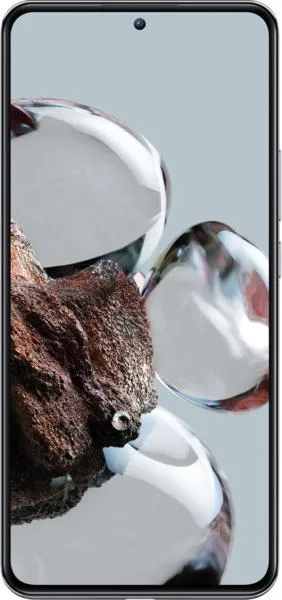
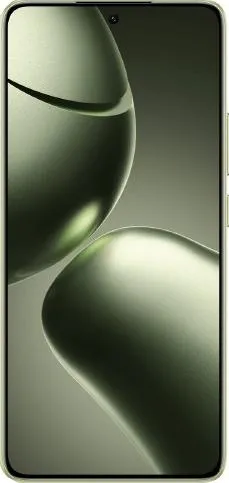
Xiaomi 12T vs. Xiaomi 14T: A Deep Dive for the Discerning User
Hello fellow tech enthusiasts! Alex Griffin here, ready to dissect the Xiaomi 12T and the newer Xiaomi 14T. We'll go beyond the spec sheet and delve into what these differences really mean for you. Let's get started!
1. Specifications Breakdown
| Feature | Xiaomi 12T | Xiaomi 14T | Real-World Implications |
|---|---|---|---|
| Design | |||
| Dimensions (mm) | 163.1 x 75.9 x 8.6 | 160.5 x 75.1 x 7.8 | 14T is slightly smaller and thinner, potentially improving one-handed use. |
| Weight (g) | 202 | 193 | 14T is noticeably lighter, reducing hand fatigue during extended use. |
| Display | |||
| Size | 6.67" | 6.67" | Identical screen sizes offer the same media consumption experience. |
| Type | AMOLED | AMOLED C8+ | Expect improved brightness and color accuracy on the 14T with potential power efficiency |
| Refresh Rate | 120Hz | 144Hz | Smoother scrolling and animations on the 14T, especially noticeable in gaming. |
| Peak Brightness | 900 nits (peak) | 4000 nits (peak) | 14T offers significantly better outdoor visibility. |
| HDR | HDR10+ | HDR10+, Dolby Vision | 14T supports Dolby Vision for enhanced dynamic range in supported content. |
| Performance | |||
| Chipset | Dimensity 8100 Ultra | Dimensity 8300 Ultra | 14T boasts a newer, more efficient 4nm chipset, likely resulting in faster performance and better battery life. |
| CPU | Octa-core (Cortex-A78/A55) | Octa-core (Cortex-A715/A510) | 14T's CPU architecture should deliver performance and efficiency improvements. |
| RAM | 8GB | 12GB | More RAM on the 14T allows for smoother multitasking and less app reloading. |
| Camera | |||
| Main Sensor | 108MP (Samsung HM6) | 50MP (Sony IMX906) | While lower resolution, the 14T uses a larger sensor which means better low-light performance and dynamic range |
| Ultrawide | 8MP | 13MP | Improved resolution and potentially wider field of view on the 14T. |
| Telephoto | 2MP (Macro) | 50MP (Telephoto) | Significant upgrade on the 14T with a dedicated telephoto lens for optical zoom. |
| Battery Life | |||
| Capacity | 5000mAh | 5000mAh | Same battery capacity, but the 14T's efficient chipset likely translates to longer real-world usage. |
2. Key Insights
- Performance Boost: The 14T's Dimensity 8300 Ultra and increased RAM provide a significant performance advantage over the 12T. Expect faster app loading, smoother multitasking, and enhanced gaming capabilities.
- Display Prowess: The 14T's brighter display with Dolby Vision support delivers a superior visual experience, especially in brightly lit environments. The higher refresh rate adds to the fluidity.
- Camera Evolution: The 14T's camera system is a major step up, transitioning from a high-resolution main sensor to a larger sensor focused on image quality. The addition of a dedicated telephoto lens expands creative possibilities.
- Refined Design: The 14T is slimmer, lighter, and potentially more comfortable to hold.
3. User Profiles and Recommendations
- Xiaomi 12T: Budget-conscious users prioritizing a good display and solid performance for everyday tasks.
- Xiaomi 14T: Users seeking cutting-edge performance, a top-tier display, and a versatile camera system, willing to invest a bit more. Power users, mobile gamers, and photography enthusiasts will appreciate the upgrades.
4. Buying Decision Framework
- What's your budget? The 12T offers excellent value, while the 14T commands a premium for its enhanced features.
- Are you a power user? If you demand top-tier performance for gaming, demanding apps, or multitasking, the 14T is the clear winner.
- How important is camera quality? The 14T's camera system offers greater versatility and improved image quality, making it ideal for photography enthusiasts.
My Choice: Xiaomi 14T
While the Xiaomi 12T is a solid phone, the Xiaomi 14T represents a compelling upgrade in key areas. The performance jump, superior display, and significantly improved camera system justify the price difference for me. As someone who values a smooth, responsive experience and appreciates high-quality visuals, the 14T aligns better with my needs. The improved camera with a dedicated telephoto lens is a major selling point, offering greater creative flexibility. While battery capacity is the same, I expect the 14T to outperform due to its more efficient chipset. The lighter and slimmer design is the cherry on top.
