Xiaomi 12T vs. Xiaomi 14: A Deep Dive Comparison
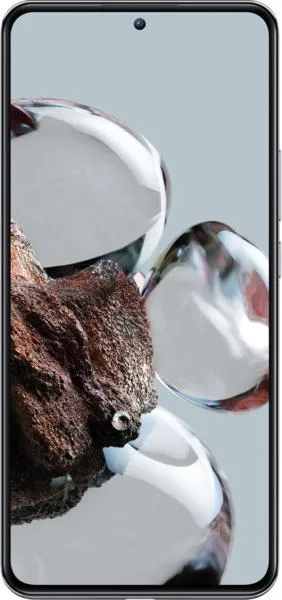
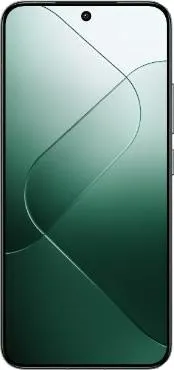
Hello, fellow tech enthusiasts! Today, we're dissecting two compelling smartphones from Xiaomi: the seasoned veteran, Xiaomi 12T, and the fresh contender, Xiaomi 14. Let's delve into the specs, uncover the real-world implications, and see which device reigns supreme.
1. Specifications Breakdown
| Feature | Xiaomi 12T | Xiaomi 14 | Real-World Implications |
|---|---|---|---|
| Design | |||
| Dimensions (mm) | 163.1 x 75.9 x 8.6 | 152.8 x 71.5 x 8.2 | Xiaomi 14 is noticeably smaller and lighter, improving one-handed usability. |
| Weight (g) | 202 | 188 | Lighter weight enhances comfort during extended use. |
| Display | |||
| Size (inches) | 6.67 | 6.36 | 12T offers a larger screen for immersive media consumption; 14 provides a more compact form factor. |
| Resolution | 1220 x 2712 | 1200 x 2670 | Both offer sharp visuals, but the 12T boasts slightly higher pixel density (446 vs 460 PPI). |
| Type | AMOLED, 120Hz | LTPO OLED, 120Hz | Both have smooth, vibrant displays. Xiaomi 14's LTPO panel enables dynamic refresh rate for power saving. |
| Peak Brightness | 900 nits (peak) | 3000 nits (peak) | Xiaomi 14's significantly higher peak brightness ensures exceptional outdoor visibility. |
| Performance | |||
| Chipset | Dimensity 8100 Ultra (5nm) | Snapdragon 8 Gen 3 (4nm) | Xiaomi 14 possesses a newer, more powerful processor, promising superior performance and efficiency. |
| CPU | Octa-core (up to 2.85 GHz) | Octa-core (up to 3.3 GHz) | Xiaomi 14's higher clock speeds translate to faster app loading and multitasking. |
| RAM | 8GB | 12GB | More RAM on the Xiaomi 14 enables smoother multitasking and handling of demanding applications. |
| Camera | |||
| Main Sensor | 108MP, Samsung HM6 | 50MP, Omnivision OVX9000 | While 12T boasts higher resolution, 14 uses a larger sensor, potentially capturing more light. |
| Ultrawide | 8MP | 50MP | Significant upgrade in ultrawide resolution on the Xiaomi 14. |
| Telephoto | 2MP Macro | 50MP with OIS | Xiaomi 14 features a dedicated telephoto lens with optical image stabilization for superior zoom. |
| Battery Life | |||
| Capacity | 5000 mAh | 4610 mAh | Xiaomi 12T offers a larger battery, potentially lasting longer on a single charge. |
| Charging | 120W Wired | Fast Charging (unspecified) | Xiaomi 12T's confirmed 120W charging will provide incredibly fast refills. |
2. Key Insights
The Xiaomi 14 boasts a substantial performance leap with the Snapdragon 8 Gen 3, a significant camera system upgrade, and a more compact, premium design. Its LTPO display offers both stunning visuals and power efficiency. However, the Xiaomi 12T counters with a larger battery and confirmed faster charging speeds.
3. User Profiles and Recommendations
- Xiaomi 12T: Ideal for users prioritizing battery life, a large display for media consumption, and fast charging. Its strong performance makes it suitable for most tasks, though not as future-proof as the 14.
- Xiaomi 14: Perfect for users seeking cutting-edge performance, a top-tier camera system, and a refined design. The LTPO display is a bonus for those who value both visual quality and battery efficiency.
4. Buying Decision Framework
- Is top-tier performance and camera quality a priority? If yes, the Xiaomi 14 is the clear winner.
- Is battery life and fast charging crucial? The Xiaomi 12T likely has the edge in this department.
- What is your budget? Consider the price difference and the value each phone offers within your budget constraints.
My Choice: As Alex Griffin, I would choose the Xiaomi 14. While the 12T is a solid device, the 14's significant advancements in performance, camera technology, and display quality are compelling. The Snapdragon 8 Gen 3 future-proofs the device, and the upgraded camera system opens up new creative possibilities. I'm willing to slightly compromise on battery capacity for the overall superior user experience and longevity offered by the Xiaomi 14. The jump to a much larger sensor for the main camera, along with a dedicated telephoto lens and massive upgrade to the ultrawide sensor, are significant improvements to image quality and creative flexibility. The smaller size also fits my preference for a more pocketable phone.
