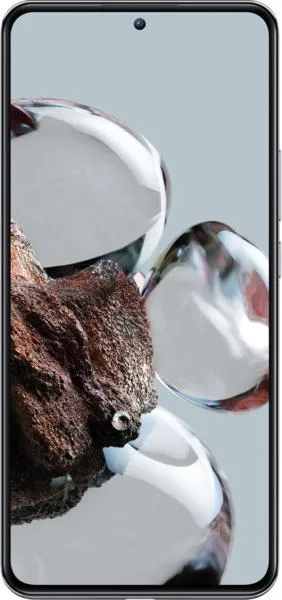
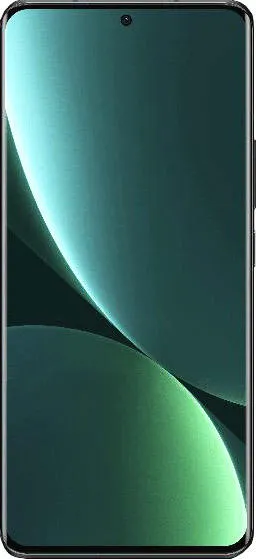
Let's dive into a comparative analysis of the Xiaomi 12T and the Xiaomi 13 Pro, dissecting their technical specifications and translating them into real-world implications for you.
1. Specifications Breakdown
| Feature | Xiaomi 12T | Xiaomi 13 Pro | Real-World Implications |
|---|---|---|---|
| Design | |||
| Dimensions (mm) | 163.1 x 75.9 x 8.6 | 162.9 x 74.6 x 8.4 | 13 Pro is slightly more compact. Negligible difference in daily use. |
| Weight (g) | 202 | 210 | Both feel substantial in hand; 8g difference is minimal. |
| Build Materials | Glass front/back | Gorilla Glass Victus | 13 Pro offers potentially better scratch and drop resistance. |
| Display | |||
| Size (inches) | 6.67 | 6.73 | 13 Pro offers a marginally larger screen. |
| Resolution | 1220 x 2712 | 1440 x 3200 | 13 Pro boasts significantly sharper visuals due to higher pixel density (522 vs 446 PPI). |
| Panel Type | AMOLED | LTPO AMOLED | 13 Pro's LTPO panel enables dynamic refresh rate adjustment, potentially saving battery. |
| Refresh Rate (Hz) | 120 | 120 | Both offer smooth scrolling and animations. |
| Peak Brightness | 900 nits (peak) | 1900 nits (peak) | 13 Pro excels in outdoor visibility. |
| Performance | |||
| Chipset | Dimensity 8100 Ultra | Snapdragon 8 Gen 2 | 13 Pro significantly outperforms in CPU and GPU benchmarks, resulting in smoother multitasking and gaming. |
| CPU | Octa-core (2.85 GHz) | Octa-core (3.2 GHz) | 13 Pro's Cortex-X3 core provides a substantial performance boost for demanding tasks. |
| RAM (GB) | 8 | 8/12 | 13 Pro offers a 12GB RAM option for even more aggressive multitasking. |
| Camera | |||
| Main Sensor | 108MP Samsung HM6 | 50MP Sony IMX989 | 13 Pro uses a larger sensor (1-inch), potentially capturing more light and detail. |
| Ultrawide | 8MP | 50MP | Significant resolution advantage for the 13 Pro in ultrawide shots. |
| Telephoto | 2MP Macro | 50MP | 13 Pro offers a dedicated telephoto lens with high resolution, enabling superior zoom capabilities. |
| Battery Life | |||
| Capacity (mAh) | 5000 | 4820 | 12T has a slightly larger battery. |
| Charging | 120W Wired | 120W Wired | Both offer incredibly fast charging speeds. |
2. Key Insights
- Performance: The Xiaomi 13 Pro, powered by the Snapdragon 8 Gen 2, is a clear winner in terms of raw performance. This translates to a smoother, more responsive experience, especially in demanding tasks like gaming and video editing.
- Display: While both phones offer 120Hz AMOLED displays, the 13 Pro's LTPO panel allows for dynamic refresh rate adjustment, potentially conserving battery. Its higher resolution and peak brightness also provide a superior visual experience.
- Camera: The 13 Pro features a Leica-tuned triple camera system with a massive 1-inch main sensor and high-resolution ultrawide and telephoto lenses. This setup offers significant advantages in image quality, versatility, and zoom capabilities compared to the 12T.
- Battery: While the 12T has a slightly larger battery, the 13 Pro's more efficient processor and LTPO display could potentially offset this difference in real-world usage. Both phones boast incredibly fast 120W wired charging.
3. User Profiles and Recommendations
- Xiaomi 12T: Best suited for budget-conscious users who prioritize a large, smooth display and fast charging. It's a great option for everyday tasks, media consumption, and casual gaming.
- Xiaomi 13 Pro: Ideal for power users and photography enthusiasts who demand top-tier performance, a stunning display, and a cutting-edge camera system. It excels in demanding tasks, mobile gaming, and capturing high-quality photos and videos.
4. Buying Decision Framework
- What's your budget? The 12T offers excellent value for its price, while the 13 Pro commands a premium.
- What are your performance needs? For demanding tasks and gaming, the 13 Pro is the clear choice.
- How important is camera quality? The 13 Pro's camera system significantly outperforms the 12T.
My Choice: Xiaomi 13 Pro
While the Xiaomi 12T is a compelling device at its price point, I would choose the Xiaomi 13 Pro. The significant jump in performance, the superior camera system with its versatile lenses and impressive image quality, and the stunning LTPO display are worth the premium for me. As a tech enthusiast who often pushes devices to their limits and appreciates cutting-edge technology, the 13 Pro aligns better with my needs and priorities. The improved image quality alone would justify the price difference for me as capturing life's moments is incredibly important to me.
