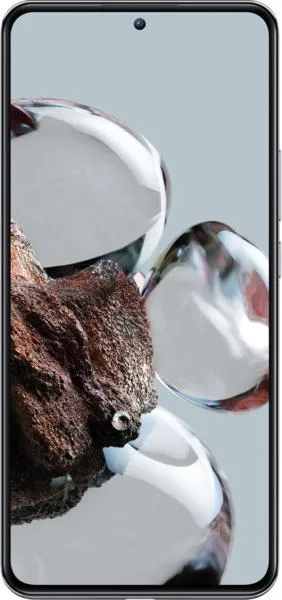
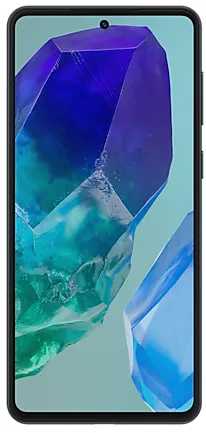
Xiaomi 12T vs. Samsung Galaxy M55: A Deep Dive for the Discerning Smartphone User
Hello fellow tech explorers! Alex Griffin here, ready to dissect the Xiaomi 12T and the Samsung Galaxy M55. Both phones occupy the "medium price" range, but their subtle differences in specifications can significantly impact your daily experience. Let's dive into the details.
1. Specifications Breakdown
| Feature | Xiaomi 12T | Samsung Galaxy M55 | Real-World Implications |
|---|---|---|---|
| Design | |||
| Dimensions (mm) | 163.1 x 75.9 x 8.6 | 163.9 x 76.5 x 7.8 | M55 slightly thinner and lighter, potentially more comfortable for one-handed use |
| Weight (g) | 202 | 180 | Noticeable difference in hand; M55 feels less substantial |
| Display | |||
| Type | AMOLED | Super AMOLED+ | Both offer vibrant colors and deep blacks; AMOLED+ might have slightly better outdoor visibility |
| Size (inches) | 6.67 | 6.7 | Negligible size difference |
| Resolution | 1220 x 2712 | 1080 x 2400 | 12T boasts significantly sharper visuals due to higher resolution |
| Refresh Rate (Hz) | 120 | 120 | Both offer smooth scrolling and gaming experiences |
| Performance | |||
| Chipset | Dimensity 8100 Ultra | Snapdragon 7 Gen 1 | 8100 Ultra generally benchmarks higher, potentially leading to faster app loading and smoother multitasking |
| CPU | Octa-core (4x2.85 GHz A78 & 4x2.0 GHz A55) | Octa-core (1x2.4 GHz A710 & 3x2.36 GHz A710 & 4x1.8 GHz A510) | 12T's higher clock speeds on performance cores suggest a potential advantage in demanding tasks |
| GPU | Mali-G610 MC6 | Adreno 644 | Both GPUs are capable, but Adreno 644 might offer better gaming performance in some titles |
| RAM (GB) | 8 | 8 | Sufficient RAM for smooth multitasking on both devices |
| Camera | |||
| Main Camera (MP) | 108 | 50 | 12T's higher megapixel count suggests potentially more detailed photos |
| Video | 4K@30fps with HDR | 4K@30fps with OIS, EIS | Both offer 4K video recording; M55 boasts both Optical and Electronic Image Stabilization for smoother footage. |
| Battery Life | |||
| Capacity (mAh) | 5000 | 5000 | Similar battery capacities suggest comparable longevity; real-world usage will vary |
2. Key Insights
The Xiaomi 12T shines with its superior display resolution, potentially faster processor, and higher resolution main camera. It’s geared towards users who prioritize sharp visuals, smooth performance, and detailed photography.
The Samsung Galaxy M55, although having a lower resolution display and main camera, counters with a lighter, slimmer design and potentially superior video stabilization thanks to OIS and EIS. The Snapdragon 7 Gen 1, while generally benchmarking lower than the Dimensity 8100 Ultra, is no slouch and paired with the Adreno 644 GPU, might offer a better gaming experience in certain titles. It caters to users who value portability, stable video recording, and all-around solid performance.
3. User Profiles and Recommendations
Xiaomi 12T: Ideal for power users, mobile gamers who prioritize performance, photographers, and anyone who values a crisp, high-resolution display.
Samsung Galaxy M55: Well-suited for content consumers, social media enthusiasts, casual gamers, and users who prioritize a lightweight and comfortable phone with good battery life and stable video recording capabilities.
4. Buying Decision Framework
- Is a high-resolution display a must-have? If yes, the 12T's sharper screen is a clear winner.
- Are you a heavy mobile gamer or power user? The 12T's potentially superior processing power might provide a better experience.
- Do you prioritize video stability over photo resolution? The M55's dual stabilization (OIS + EIS) gives it an edge for video recording.
My Choice: As a tech journalist who often needs to capture stable video footage and appreciates a lightweight device, I'd lean towards the Samsung Galaxy M55. While the 12T's higher resolution display and powerful processor are tempting, the M55's combination of portability, strong battery life, video stabilization, and a still very capable processor aligns better with my daily needs. The slightly lower screen resolution is a trade-off I'm willing to make for the overall package the M55 offers.
