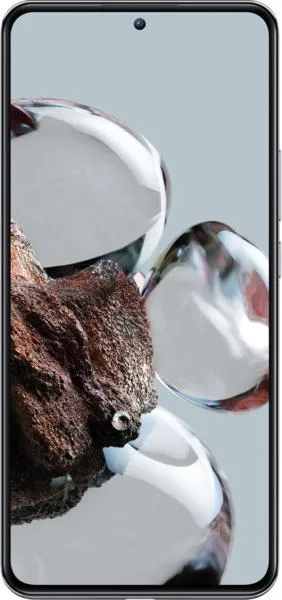
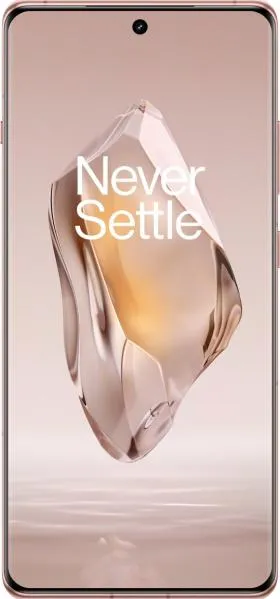
Xiaomi 12T vs. OnePlus 12R: A Deep Dive for the Discerning User
Hello, fellow tech explorers! Alex Griffin here, ready to dissect the Xiaomi 12T and the OnePlus 12R. We'll go beyond the spec sheets to uncover what these phones truly offer in the real world. Let's get started!
1. Specifications Breakdown
| Feature | Xiaomi 12T | OnePlus 12R | Real-World Implications |
|---|---|---|---|
| Design | |||
| Dimensions (mm) | 163.1 x 75.9 x 8.6 | 163.3 x 75.3 x 8.8 | Virtually identical in hand feel. Negligible size difference. |
| Weight (g) | 202 | 207 | Both feel substantial; slight edge to 12T for one-handed use. |
| Display | |||
| Size (inches) | 6.67 | 6.78 | 12R offers a slightly larger canvas for media consumption. |
| Resolution (px) | 1220 x 2712 | 1264 x 2780 | Both are sharp AMOLED displays; 12R has a marginal pixel density advantage. |
| Refresh Rate (Hz) | 120 | 120 | Smooth scrolling and animations on both. |
| Peak Brightness | 900 nits (peak) | 4500 nits (peak) | 12R boasts significantly higher peak brightness, crucial for outdoor visibility. |
| Performance | |||
| Chipset | Dimensity 8100 Ultra | Snapdragon 8 Gen 2 | 12R's Snapdragon 8 Gen 2 delivers notably superior CPU and GPU performance, impacting demanding tasks and gaming. |
| RAM (GB) | 8 | 16 | 12R's 16GB RAM ensures effortless multitasking and future-proofing. 8GB on the 12T is still sufficient for most users. |
| OS | Android 12 | Android 14 | 12R ships with a newer OS and guaranteed longer updates, offering software advantages. |
| Camera | |||
| Main Sensor (MP) | 108 MP (HM6) | 50 MP (IMX890) | While 12T boasts higher resolution, the 12R utilizes a larger sensor (IMX890) known for superior low-light performance. |
| Video | 4K@30fps | 4K@60fps | 12R offers more advanced video recording capabilities, including higher frame rates and potentially better stabilization. |
| Battery Life | |||
| Capacity (mAh) | 5000 | 5500 | 12R has a larger battery, potentially translating to longer usage time. Actual battery life depends heavily on usage patterns. |
2. Key Insights
- Performance Champion: The OnePlus 12R, with its Snapdragon 8 Gen 2, clearly outperforms the Xiaomi 12T. This translates to faster app loading, smoother gaming, and better handling of demanding tasks.
- Display Dilemma: While both offer 120Hz AMOLED displays, the 12R's exceptional peak brightness is a game-changer for outdoor use.
- Camera Considerations: The 12R's Sony IMX890 sensor, despite lower resolution, often delivers superior image quality, especially in challenging lighting conditions. The 12T's 108MP sensor will excel in well-lit scenarios where capturing fine details is paramount.
- Software and Longevity: The 12R, running on the latest Android version, promises a more up-to-date experience and longer software support.
3. User Profiles and Recommendations
- Xiaomi 12T: Best suited for users seeking a well-rounded phone with a great display at a more affordable price point. Ideal for everyday tasks, social media, casual gaming, and photography in good lighting.
- OnePlus 12R: The power user's choice. Perfect for demanding gamers, content creators, and those who prioritize future-proof performance, the latest software, extended battery life, and top-tier camera capabilities.
4. Buying Decision Framework
- What's your budget? The Xiaomi 12T typically offers better value for money.
- What are your primary use cases? Heavy gaming and content creation lean towards the 12R; everyday tasks and casual use favor the 12T.
- How important is future-proofing and software updates? The 12R, with its newer Android version and powerful processor, wins in this category.
My Choice: The OnePlus 12R
For me, the OnePlus 12R is the clear winner. The significantly improved performance of the Snapdragon 8 Gen 2, coupled with the brighter display, larger battery, and longer software support, justifies the price difference. As someone who pushes their devices hard, I value the headroom and future-proofing offered by the 12R. While the 12T is a compelling option for budget-conscious buyers, the 12R offers a tangible leap in user experience that I find irresistible.
