
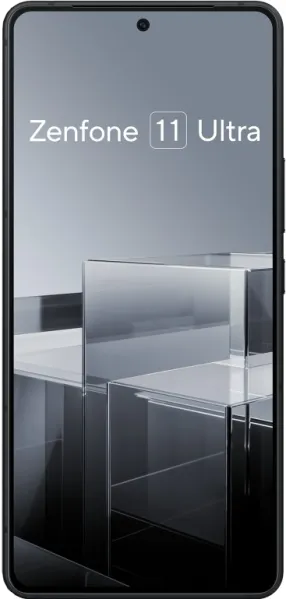
Xiaomi 12T vs. Asus Zenfone 11 Ultra: A Deep Dive
Let's dissect the Xiaomi 12T and the Asus Zenfone 11 Ultra, two compelling smartphones vying for your attention. I'll break down their specs, analyze their real-world performance, and help you decide which one fits your needs.
1. Specifications Breakdown
| Feature | Xiaomi 12T | Asus Zenfone 11 Ultra | Real-World Implications |
|---|---|---|---|
| Design | |||
| Dimensions (mm) | 163.1 x 75.9 x 8.6 | 171.5 x 76.8 x 8.9 | Zenfone 11 Ultra is slightly larger and heavier. Xiaomi 12T might feel more pocketable. |
| Weight (g) | 202 | 233 | Noticeable difference in hand; Zenfone 11 Ultra will feel more substantial. |
| Display | |||
| Size (inches) | 6.67 | 6.8 | Zenfone 11 Ultra offers a marginally larger screen. |
| Type | AMOLED | LTPO AMOLED | Zenfone's LTPO panel allows for dynamic refresh rate adjustment, saving battery. |
| Resolution | 1220x2712 | 1080x2400 | Xiaomi 12T boasts sharper visuals due to higher pixel density (446 ppi vs. 393 ppi). |
| Refresh Rate (Hz) | 120 | 144 | Smoother scrolling and animations on the Zenfone 11 Ultra, especially noticeable in gaming. |
| Peak Brightness | 900 nits (peak) | 2500 nits (peak) | Zenfone 11 Ultra's display will be significantly more visible in direct sunlight. |
| Performance | |||
| Chipset | Dimensity 8100 Ultra | Snapdragon 8 Gen 3 | Snapdragon 8 Gen 3 in the Zenfone 11 Ultra offers a significant performance advantage for demanding tasks and gaming. |
| CPU | Octa-core (2.85 GHz) | Octa-core (3.3 GHz) | Zenfone 11 Ultra's newer and faster CPU architecture delivers superior processing power. |
| GPU | Mali-G610 MC6 | Adreno 750 | Adreno 750 provides a substantial boost in graphics performance, beneficial for high-end gaming and graphically intensive applications. |
| RAM | 8GB | 12/16GB | Zenfone 11 Ultra offers more RAM options, enhancing multitasking and overall system responsiveness. |
| Camera | |||
| Main Sensor | 108MP (HM6) | 50MP (IMX989) | While Xiaomi 12T has higher megapixels, Zenfone 11 Ultra utilizes a larger sensor (IMX989), potentially capturing more light and detail. |
| Video | 4K@30fps | 8K@24fps | Zenfone 11 Ultra supports higher resolution video recording. |
| Battery Life | |||
| Capacity (mAh) | 5000 | 5000 | Similar battery capacities, but Zenfone 11 Ultra's LTPO display could potentially lead to longer battery life due to dynamic refresh rate scaling. |
2. Key Insights
The Xiaomi 12T, while a solid performer with a beautiful sharp display, is overshadowed by the Zenfone 11 Ultra in several key areas. The Zenfone boasts a more powerful processor (Snapdragon 8 Gen 3), a higher refresh rate LTPO display, and superior camera capabilities thanks to its larger sensor and 8K video recording. The Zenfone 11 Ultra also offers more RAM.
3. User Profiles and Recommendations
- Xiaomi 12T: Suitable for users seeking a balance of performance, display quality, and affordability. It's a great option for everyday tasks, media consumption, and casual gaming.
- Asus Zenfone 11 Ultra: Ideal for power users, gamers, and photography enthusiasts who demand top-tier performance, the latest technology, and cutting-edge camera features.
4. Buying Decision Framework
- What's your budget? The Zenfone 11 Ultra is positioned in a higher price bracket.
- What are your primary use cases? For everyday use, the Xiaomi 12T is sufficient. For demanding tasks and gaming, the Zenfone 11 Ultra excels.
- How important is future-proofing? The Zenfone 11 Ultra, with its newer processor and more advanced features, offers better longevity.
My Choice: Asus Zenfone 11 Ultra
If I were choosing between these two, I'd go with the Asus Zenfone 11 Ultra. While the Xiaomi 12T is a capable device, the Zenfone's superior performance, future-proof specifications (Snapdragon 8 Gen 3, larger RAM options, LTPO display), and advanced camera features are compelling. I prioritize a smooth, responsive experience and having the latest technology, making the Zenfone 11 Ultra the clear winner for me. The price difference is justifiable for the substantial leap in capabilities. The larger main camera sensor on the Zenfone is also a crucial factor for me, as image quality is paramount. While megapixel count is often touted, sensor size plays a far more significant role in low-light performance and overall image quality. Furthermore, the inclusion of 8K video recording future-proofs content creation capabilities.
