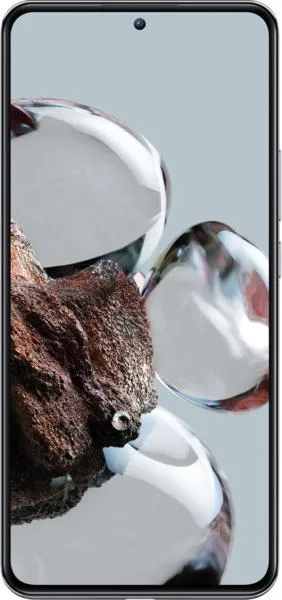
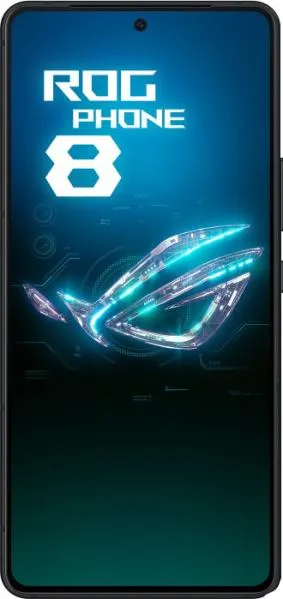
Xiaomi 12T vs. Asus ROG Phone 8: A Deep Dive for the Discerning User
The smartphone landscape is constantly evolving, and choosing the right device can feel overwhelming. Today, we'll dissect the Xiaomi 12T and the Asus ROG Phone 8, two compelling contenders in the mid-range market, to help you navigate this decision. We'll go beyond the spec sheet, translating technical jargon into real-world implications for your daily life.
1. Specifications Breakdown
| Feature | Xiaomi 12T | Asus ROG Phone 8 | Real-World Implications |
|---|---|---|---|
| Design | |||
| Dimensions (mm) | 163.1 x 75.9 x 8.6 | 163.8 x 76.8 x 8.9 | ROG Phone 8 slightly larger and heavier; may impact one-handed use. |
| Weight (g) | 202 | 225 | Noticeable weight difference; ROG Phone 8 might feel more substantial but less pocketable. |
| Display | |||
| Size (inches) | 6.67 | 6.78 | Negligible difference in screen real estate. |
| Resolution | 1220 x 2712 | 1080 x 2400 | Xiaomi 12T boasts sharper visuals due to higher pixel density; ROG Phone 8 prioritizes a faster 165Hz refresh rate for smoother gaming. |
| Refresh Rate (Hz) | 120 | 165 | ROG Phone 8's higher refresh rate delivers noticeably smoother scrolling and gaming; Xiaomi 12T still provides a fluid experience. |
| Display Type | AMOLED | LTPO AMOLED | Both offer vibrant colors and deep blacks; ROG Phone 8's LTPO panel enables dynamic refresh rate adjustment for power efficiency. |
| Performance | |||
| Chipset | Dimensity 8100 Ultra | Snapdragon 8 Gen 3 | ROG Phone 8's newer, flagship-level processor offers significantly higher performance, especially for demanding tasks and gaming. |
| CPU | Octa-core | Octa-core | ROG Phone 8's more advanced CPU architecture provides a performance edge in multitasking and demanding applications. |
| GPU | Mali-G610 MC6 | Adreno 750 | ROG Phone 8's GPU delivers superior graphics processing for gaming and visually intensive tasks. |
| RAM (GB) | 8 | 12/16 | ROG Phone 8 offers more RAM, enabling smoother multitasking and handling of demanding applications. |
| Camera | |||
| Main Camera (MP) | 108 | 50 | Xiaomi 12T boasts higher megapixel count; ROG Phone 8 utilizes a larger sensor (Sony IMX890) potentially offering better low-light performance. |
| Battery Life | |||
| Capacity (mAh) | 5000 | 5500 | ROG Phone 8 has a slightly larger battery, potentially translating to longer usage time. Real-world battery life depends on usage patterns. |
2. Key Insights
- Performance Powerhouse: The ROG Phone 8 is unequivocally the performance champion, thanks to its cutting-edge Snapdragon 8 Gen 3 processor and ample RAM. This translates to blazing-fast speeds, seamless multitasking, and effortless handling of demanding games.
- Display Dilemma: The Xiaomi 12T offers a sharper display, while the ROG Phone 8 prioritizes smoothness with its 165Hz refresh rate. This boils down to personal preference: visual fidelity versus buttery smooth animations.
- Gaming Giant: The ROG Phone 8 is purpose-built for gaming, with its powerful hardware, high refresh rate display, and specialized gaming features (not detailed in the provided specs but generally included in ROG phones).
- Everyday Excellence: The Xiaomi 12T excels in everyday tasks, offering a vibrant display, a capable camera system, and respectable performance for a more affordable price.
3. User Profiles and Recommendations
- ROG Phone 8: Ideal for hardcore mobile gamers, power users, and tech enthusiasts who demand top-tier performance and a smooth, responsive experience.
- Xiaomi 12T: Suited for users seeking a well-rounded device with a sharp display, good camera capabilities, and solid performance for everyday tasks, content consumption, and light gaming.
4. Buying Decision Framework
- What is your primary use case? Heavy gaming? Everyday tasks? Content consumption?
- What is your budget? The ROG Phone 8 commands a premium price for its flagship-level performance.
- What features are most important to you? Display sharpness? Refresh rate? Battery life? Camera quality?
Scenario-Based Recommendations:
- Gamer: ROG Phone 8 is the clear winner.
- Budget-Conscious User: Xiaomi 12T offers excellent value for its price.
- All-Around User: Consider the Xiaomi 12T if display sharpness and affordability are paramount; choose the ROG Phone 8 if raw performance and a smooth experience are non-negotiable.
My Choice: Asus ROG Phone 8
While the Xiaomi 12T is a compelling option for its price, I would choose the Asus ROG Phone 8. As a tech journalist with an engineering background, I value cutting-edge performance and a fluid user experience. The Snapdragon 8 Gen 3, coupled with the high refresh rate display and ample RAM, promises a future-proof device capable of handling anything I throw at it. While the higher price tag is a consideration, the significant performance leap and longevity of the ROG Phone 8 justify the investment for my needs. I'm willing to sacrifice a bit of display sharpness for the unparalleled smoothness and responsiveness that the ROG Phone 8 offers. Furthermore, as someone who appreciates the technical nuances, I am intrigued by the specialized gaming features that ROG phones typically include, suggesting an even more immersive and optimized mobile gaming experience.
