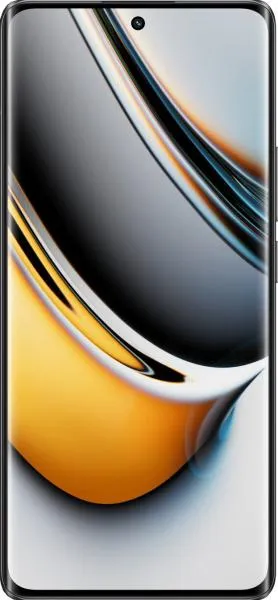

1. Specifications Comparison
| Feature | Realme 11 Pro | vivo V40 | Practical Impact |
|---|---|---|---|
| Design | |||
| Dimensions (mm) | 161.7 x 73.9 x 8.2 | 164.2 x 75 x 7.6 | Vivo V40 slightly taller and wider, but thinner. Negligible difference in everyday use. |
| Weight (g) | 183 | 190 | Vivo V40 slightly heavier, but the difference is minimal. |
| Display | |||
| Size (inches) | 6.7 | 6.78 | Vivo V40 has a marginally larger screen. |
| Resolution (px) | 1080 x 2412 | 1260 x 2800 | Vivo V40 boasts a sharper display with higher pixel density, resulting in clearer text and images. |
| Type | AMOLED, 120Hz | AMOLED, 120Hz | Both offer smooth scrolling and vibrant colors with AMOLED technology and 120Hz refresh rate. |
| Peak Brightness (nits) | 950 | 4500 | Vivo V40's significantly higher peak brightness ensures superior outdoor visibility. |
| Performance | |||
| Chipset | Mediatek Dimensity 7050 (6 nm) | Qualcomm Snapdragon 7 Gen 3 (4 nm) | Snapdragon 7 Gen 3 in the Vivo V40 provides significantly better performance and efficiency due to newer architecture and manufacturing process. |
| CPU | Octa-core (2x2.6 GHz Cortex-A78 & 6x2.0 GHz Cortex-A55) | Octa-core (1x2.63 GHz Cortex-A715 & 3x2.4 GHz Cortex-A715 & 4x1.8 GHz Cortex-A510) | Vivo V40's CPU offers a more modern architecture leading to performance gains in demanding tasks and multitasking. |
| GPU | Mali-G68 MC4 | Adreno 720 | Adreno 720 in the Vivo V40 delivers significantly improved graphics performance for gaming and visually intensive applications. |
| RAM (GB) | 8/12 | 12 | Vivo V40 offers more RAM in this comparison, enhancing multitasking and overall responsiveness. |
| Camera | |||
| Main Camera (MP) | 100 | 50 | Realme boasts higher megapixel count, but sensor size and other factors also heavily influence image quality. Direct comparison is difficult without real-world image samples. |
| Selfie Camera (MP) | 16 | 50 | Vivo V40 has a much higher resolution selfie camera, likely resulting in more detailed self-portraits. |
| Video | 4K@30fps, 1080p@120fps | 4K@30fps, 1080p@30fps | Realme offers higher frame rate video recording options for smoother slow-motion capture. Vivo V40 specifies OIS and EIS on 4K and 1080p video recording, potentially leading to more stable footage. |
| Battery | |||
| Capacity (mAh) | 5000 | 5500 | Vivo V40 has a larger battery, potentially offering longer usage time. However, real-world battery life depends on various factors. |
2. Key Differences Analysis
Realme 11 Pro Advantages:
- Potentially better value: Lower price point for comparable features in some areas (display, main camera megapixels).
- Higher video frame rates: Offers more slow-motion video recording options.
Vivo V40 Advantages:
- Significantly better performance: Snapdragon 7 Gen 3 provides a notable performance advantage over the Dimensity 7050.
- Sharper display: Higher resolution and pixel density lead to a more visually pleasing experience.
- Brighter display: Much brighter screen for excellent outdoor visibility.
- Larger battery: Potentially longer battery life.
- More RAM: Smoother multitasking and overall performance.
- More advanced camera features: OIS and EIS on 4K and 1080p video recording.
3. User Profiles & Recommendations
Realme 11 Pro: Budget-conscious users who prioritize a good display, decent camera, and basic performance. Suitable for everyday tasks, social media, and casual gaming.
Vivo V40: Users who demand excellent performance for demanding applications, gaming, and multitasking. Also ideal for those who prioritize a sharp, bright display and longer battery life.
4. Decision Framework
Key Questions for Buyers:
- What is your budget? The Realme 11 Pro offers better value for its price.
- What level of performance do you need? The Vivo V40 significantly outperforms the Realme 11 Pro.
- How important is display quality and brightness? The Vivo V40 offers a superior display experience.
My Choice: Vivo V40
While the Realme 11 Pro offers decent features for its price, the Vivo V40 is the superior device overall. The Snapdragon 7 Gen 3 offers a substantial performance upgrade, which is crucial for a smooth and future-proof user experience. The brighter and sharper display, along with the larger battery, further solidify its position as the better choice. Although the Vivo V40 is more expensive, the performance and display advantages justify the higher cost for me. I prioritize a smooth and enjoyable user experience, and the Vivo V40 is better equipped to deliver that.
