1. Specifications Comparison
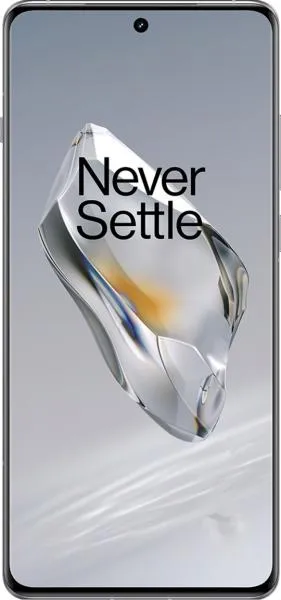
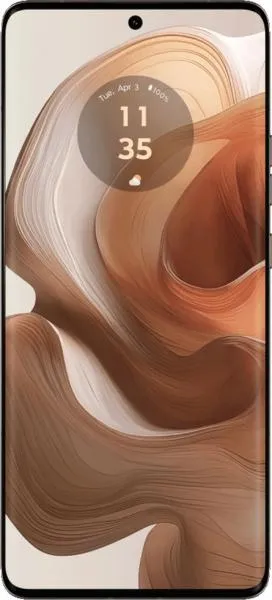
| Feature | OnePlus 12 | Motorola Edge 50 Ultra | Practical Impact |
|---|---|---|---|
| Design | |||
| Dimensions | 164.3 x 75.8 x 9.2 mm | 161.1 x 72.4 x 8.6 mm | Motorola is slightly smaller and thinner, potentially more comfortable for one-handed use. |
| Weight | 220g | 197g | Motorola is noticeably lighter, reducing hand fatigue during extended use. |
| Display | |||
| Size | 6.82" | 6.7" | Negligible size difference in real-world usage. |
| Type | LTPO AMOLED | P-OLED | Both offer excellent color accuracy and deep blacks. LTPO allows for more granular refresh rate control, potentially saving battery. |
| Resolution | 1440 x 3168 | 1220 x 2712 | OnePlus has a sharper display (510 ppi vs 446 ppi), resulting in crisper text and images. |
| Refresh Rate | 120Hz | 144Hz | Motorola offers a higher refresh rate, leading to smoother animations and scrolling, especially noticeable in gaming. |
| Peak Brightness | 4500 nits | 2500 nits | OnePlus offers significantly higher peak brightness, ensuring better visibility in direct sunlight. |
| Performance | |||
| Chipset | Snapdragon 8 Gen 3 | Snapdragon 8s Gen 3 | OnePlus features a newer, potentially more powerful chipset, likely translating to faster performance and better efficiency. |
| CPU | Octa-core (1x3.3 GHz X4 & 3x3.2 GHz A720 & ...) | Octa-core (1x3.0 GHz X4 & 4x2.8 GHz A720 & ...) | OnePlus has a slightly faster prime core and overall CPU configuration, leading to improved performance in demanding tasks. |
| GPU | Adreno 750 | Adreno 735 | OnePlus has a more powerful GPU, beneficial for gaming and graphically intensive applications. |
| RAM | 16GB | 16GB | Both offer ample RAM for multitasking and smooth performance. |
| Storage | 512GB | 512GB | Both offer the same storage capacity. No information on expandable storage is provided. |
| Battery | |||
| Capacity | 5400 mAh | 4500 mAh | OnePlus offers a larger battery, potentially resulting in longer battery life. |
| Other | |||
| OS | Android 14 | Android 14 | Both run on the latest Android version at launch. OnePlus promises longer OS updates (up to Android 18). |
2. Key Differences Analysis
OnePlus 12 Advantages:
- Brighter, sharper display: Superior for outdoor use and media consumption.
- More powerful chipset and GPU: Smoother performance for demanding tasks and gaming.
- Larger battery: Potentially longer battery life.
- Longer Software Support: More future-proof with guaranteed updates to Android 18.
Motorola Edge 50 Ultra Advantages:
- Higher refresh rate: Smoother scrolling and animations.
- Lighter and more compact: More comfortable for one-handed use.
- Faster Wired Connection Options: USB 3.1 Gen 2 and Display Port 1.4 support offer faster data transfer and display output capabilities compared to OnePlus's USB 3.2.
Trade-offs:
- Motorola: Trades display brightness and resolution, processing power, and battery capacity for a lighter, more compact design and a higher refresh rate display.
- OnePlus: Trades a slightly larger and heavier design for a superior display, longer battery life, and more powerful performance.
3. User Profiles & Recommendations
OnePlus 12: Ideal for users who prioritize performance, battery life, a bright and sharp display, and long-term software updates. Suitable for power users, gamers, and those who consume a lot of media.
Motorola Edge 50 Ultra: Suitable for users who value a lightweight and compact phone with a smooth display. Good for users prioritizing one-handed usability and a high refresh rate experience over peak performance and battery life.
4. Decision Framework
Key Questions:
- What is your priority: performance and battery life or portability and a smooth display?
- How important is outdoor visibility and a sharp display?
- How long do you plan to keep your phone?
Scenario-Based Recommendations:
- Heavy user, gamer: OnePlus 12
- One-handed use, casual gamer: Motorola Edge 50 Ultra
- Long-term use, value software updates: OnePlus 12
My Choice: OnePlus 12
While the Motorola Edge 50 Ultra offers a compelling combination of features, I would choose the OnePlus 12. The brighter, sharper display, significantly more powerful processor and GPU, larger battery, and longer software support are crucial factors for me. The slightly larger size and weight are acceptable trade-offs for these advantages. The promise of longer-term software updates ensures the phone remains relevant and secure for a longer period. I prioritize performance, battery life, and a great display for media consumption, making the OnePlus 12 the better fit for my needs.
