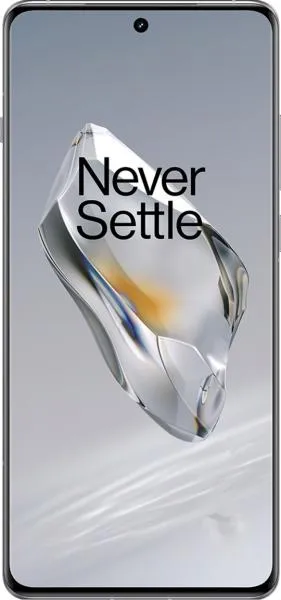
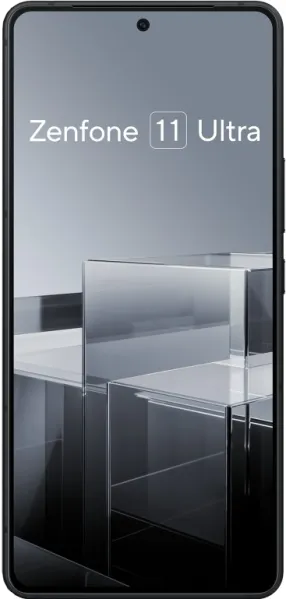
OnePlus 12 vs. Asus Zenfone 11 Ultra: A Deep Dive
The smartphone arena welcomes two new contenders: the OnePlus 12 and the Asus Zenfone 11 Ultra. Both boast impressive specs on paper, but let's dissect what those numbers truly mean for the everyday user.
1. Specifications Breakdown
| Feature | OnePlus 12 | Asus Zenfone 11 Ultra | Real-World Implications |
|---|---|---|---|
| Design | |||
| Dimensions | 164.3 x 75.8 x 9.2 mm | 163.8 x 76.8 x 8.9 mm | Zenfone 11 Ultra slightly smaller, potentially more pocketable |
| Weight | 220g | 224g | Negligible difference in hand |
| Display | |||
| Size | 6.82" | 6.78" | OnePlus 12 marginally larger |
| Type | LTPO AMOLED, 1B colors, 120Hz | LTPO AMOLED, 144Hz | Both offer smooth scrolling; Zenfone 11 Ultra potentially smoother due to higher refresh rate |
| Resolution | 1440 x 3168 | 1080 x 2400 | Significantly sharper visuals on the OnePlus 12 (510 ppi vs 388 ppi) |
| Peak Brightness | 4500 nits | 2500 nits | OnePlus 12 dramatically brighter in direct sunlight |
| Performance | |||
| Chipset | Snapdragon 8 Gen 3 | Snapdragon 8 Gen 3 | Identical processing power, expect top-tier performance from both |
| CPU | Octa-core (1x3.3 GHz Cortex-X4 & 3x3.2 GHz Cortex-A720 & 2x3.0 GHz Cortex-A720 & 2x2.3 GHz Cortex-A520) | Octa-core (1x3.3 GHz Cortex-X4 & 3x3.2 GHz Cortex-A720 & 2x3.0 GHz Cortex-A720 & 2x2.3 GHz Cortex-A520) | Identical CPU configuration |
| GPU | Adreno 750 | Adreno 750 | Identical graphical capabilities |
| RAM | 16GB | 16GB | Both offer ample memory for multitasking |
| Storage | 512GB | 512GB | Plenty of storage for apps and media on both |
| Battery | |||
| Capacity | 5400 mAh | 5500 mAh | Zenfone 11 Ultra with a slightly larger battery, potentially longer battery life |
| Software | |||
| OS | Android 14 | Android 14 | Same base OS, but potential differences in custom UI and features |
| OS Max Version | 18 | 16 | OnePlus 12 likely to receive longer software updates |
2. Key Insights
Both phones utilize the powerhouse Snapdragon 8 Gen 3, guaranteeing blazing-fast performance. However, the OnePlus 12 pulls ahead with its significantly sharper and brighter display. Its 1440 x 3168 resolution and 4500 nits peak brightness translate to a stunning visual experience, particularly noticeable when consuming HDR content or using the phone outdoors. The Zenfone 11 Ultra counters with a faster 144Hz refresh rate, potentially providing a smoother gaming and scrolling experience, but the lower resolution might be a noticeable compromise for some.
While the Zenfone 11 Ultra boasts a marginally larger battery, real-world battery life will depend on software optimization and individual usage patterns. The OnePlus 12's advantage in software updates could mean longer-term usability and access to newer features.
3. User Profiles and Recommendations
- OnePlus 12: Ideal for users who prioritize a premium visual experience, value software updates, and engage in tasks that benefit from a sharper display, like photo editing or video consumption.
- Asus Zenfone 11 Ultra: Best suited for gamers seeking the smoothest possible frame rates and users who prioritize a slightly larger battery. However, the lower resolution display might be a deal-breaker for some.
4. Buying Decision Framework
- Is display quality a top priority? If yes, the OnePlus 12's superior resolution and brightness make it the clear winner.
- How important is long-term software support? The OnePlus 12's longer update cycle offers a potential advantage in this regard.
- Are you a hardcore mobile gamer? The Zenfone 11 Ultra's 144Hz refresh rate might give you a competitive edge, but consider the trade-off in display resolution.
My Choice: I would choose the OnePlus 12. While the Zenfone 11 Ultra offers a slightly larger battery and faster refresh rate, the OnePlus 12's significantly sharper and brighter display, coupled with longer software support, aligns better with my priorities. As someone who consumes a lot of visual content and values a premium user experience, the display quality is a decisive factor for me. The difference in resolution (510 ppi vs 388 ppi) would be very noticeable in day-to-day use. Furthermore, the assurance of longer software updates contributes to the device's longevity and overall value proposition.
