1. Specifications Comparison
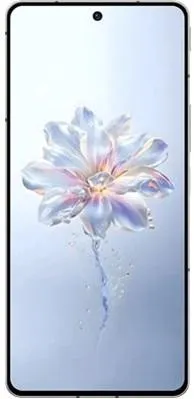
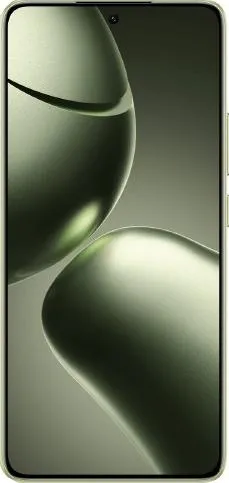
| Feature | Category | ZTE nubia Z50S Pro | Xiaomi 14T | Practical Impact |
|---|---|---|---|---|
| Dimensions | Design | 163.9 x 76.3 x 8.3 mm, 228g | 160.5 x 75.1 x 7.8 mm, 193g | The Xiaomi 14T is noticeably lighter and slightly smaller, making it more comfortable for one-handed use and extended periods. |
| Build Materials | Design | Unspecified | Unspecified | Material choice impacts durability and premium feel. This information is missing for both. |
| Display Size | Display | 6.8" | 6.67" | Negligible real-world difference in screen size. |
| Display Type | Display | AMOLED, 1B colors, 120Hz | AMOLED, 68B colors, 144Hz | The Xiaomi 14T boasts a higher refresh rate (smoother animations) and significantly more color depth (more vibrant and accurate colors). |
| Peak Brightness | Display | 1200 nits | 4000 nits | The Xiaomi 14T offers drastically better outdoor visibility in direct sunlight. |
| Resolution | Display | 1260 x 2800 | 1220 x 2712 | Both offer sharp visuals; the slightly higher resolution on the Z50S Pro is practically indistinguishable. |
| Chipset | Performance | Snapdragon 8+ Gen 2 | MediaTek Dimensity 8300 Ultra | Both are high-performance chips, but the Snapdragon generally has a slight edge in benchmark tests and sustained performance. |
| CPU | Performance | Octa-core (1x3.36 GHz Cortex-X3 & ...) | Octa-core (1x3.35 GHz Cortex-A715 & ...) | While core configurations differ, real-world performance will be very similar for most tasks. |
| GPU | Performance | Adreno 740 | Mali G615-MC6 | The Adreno 740 generally offers better gaming performance compared to the Mali G615-MC6. |
| RAM | Performance | 12GB | 12GB | Both offer ample RAM for multitasking and smooth operation. |
| Storage | Performance | 1000GB | 512GB | The Z50S Pro offers double the storage capacity. |
| Battery Capacity | Battery | 5100 mAh | 5000 mAh | Negligible difference in battery capacity. Real-world battery life depends heavily on usage patterns and software optimization. |
| Charging Speed | Battery | Unspecified | Unspecified | A crucial factor for daily usability. This information is missing for both phones. |
| Main Camera Resolution | Camera | Unspecified | Unspecified | A key specification for image quality is missing for both phones. |
| Video Capabilities | Camera | 8K@30fps, 4K@ up to 120fps | Up to 4K@60fps, 1080p@960fps | The Z50S Pro offers higher resolution video recording (8K), while the Xiaomi 14T provides higher frame rate slow-motion (960fps). |
2. Key Differences Analysis
ZTE nubia Z50S Pro Advantages:
- More Storage: Double the onboard storage (1TB vs. 512GB) for users who need ample space for apps, media, and files.
- Potentially Better Gaming Performance: The Snapdragon 8+ Gen 2 and Adreno 740 GPU combination generally provides a smoother gaming experience.
- 8K Video Recording: Offers the ability to record video at a very high resolution.
Xiaomi 14T Advantages:
- Superior Display: Brighter display for excellent outdoor visibility, higher refresh rate for smoother scrolling and animations, wider color gamut for more vibrant and accurate visuals.
- Lighter and More Compact: Noticeably lighter and slightly smaller, enhancing one-handed usability and comfort.
- Newer OS: Ships with Android 14, offering potential software advantages and longer support.
- Higher Frame Rate Slow Motion: Offers super slow-motion video recording at 960fps.
3. User Profiles & Recommendations
ZTE nubia Z50S Pro: Ideal for users who prioritize storage space, gaming performance, and recording high-resolution videos. Power users, mobile gamers, and video enthusiasts would appreciate these features.
Xiaomi 14T: Ideal for users who value a bright and smooth display, comfortable ergonomics, and the latest software. Content consumers, social media users, and those who use their phones extensively outdoors will benefit.
4. Decision Framework
Key Questions for Buyers:
- What is your primary use case for a smartphone? (Gaming, media consumption, photography, productivity)
- How important is screen quality and outdoor visibility?
- How much storage do you realistically need?
My Choice: Xiaomi 14T
While the Z50S Pro offers advantages in storage and potentially gaming, the Xiaomi 14T's superior display, lighter weight, and newer OS make it a more compelling overall package for my needs. The significantly brighter display is crucial for comfortable outdoor use, and the smoother refresh rate enhances daily interactions. The difference in chipset performance is likely negligible for my average usage, and 512GB of storage is sufficient. While I appreciate the 8K video recording of the Z50S Pro, the improved slow-motion capabilities of the 14T are more appealing to me personally. Ultimately, the Xiaomi 14T offers a more well-rounded and enjoyable user experience for my priorities.
