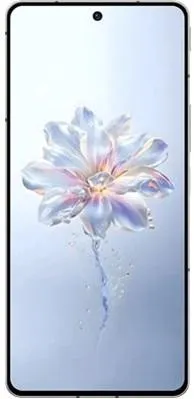
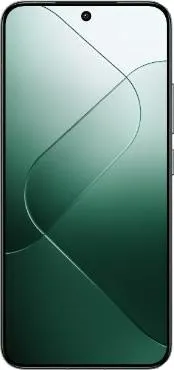
1. Specifications Comparison
| Feature | ZTE nubia Z50S Pro | Xiaomi 14 | Practical Impact |
|---|---|---|---|
| Design | |||
| Dimensions | 163.9 x 76.3 x 8.3 mm | 152.8 x 71.5 x 8.2 mm | Xiaomi 14 is noticeably smaller and potentially easier to handle one-handed. |
| Weight | 228g | 188g | Xiaomi 14 is significantly lighter, reducing hand fatigue during extended use. |
| Display | |||
| Size | 6.8 inches | 6.36 inches | Z50S Pro offers a larger screen for more immersive media consumption; Xiaomi 14 provides better portability. |
| Type | AMOLED, 1B colors, 120Hz | LTPO OLED, 68B colors, 120Hz | Both offer smooth scrolling and vibrant colors. Xiaomi 14's LTPO panel allows for dynamic refresh rate adjustment, potentially saving battery. Xiaomi 14's higher color depth (68B vs 1B) offers more subtle color gradations, noticeable to discerning eyes in professional photo/video editing. |
| Peak Brightness | 1200 nits | 3000 nits | Xiaomi 14 is significantly brighter, ensuring better visibility in direct sunlight. |
| Resolution | 1260 x 2800 | 1200x2670 | Similar pixel density (~452 vs ~460 ppi), resulting in sharp visuals on both. |
| Performance | |||
| Chipset | Snapdragon 8+ Gen 2 | Snapdragon 8 Gen 3 | Xiaomi 14 features a newer generation chipset, likely resulting in faster processing speeds and improved graphics performance. |
| CPU | Octa-core (1x3.36 GHz X3...) | Octa-core (1x3.3 GHz X4...) | Both offer high performance, but the architectural improvements in the 8 Gen 3 should give the Xiaomi 14 an edge in demanding tasks and sustained performance. |
| GPU | Adreno 740 | Adreno 750 | Xiaomi 14 has a more powerful GPU, enabling smoother gaming and faster graphics rendering. |
| RAM | 12GB | 12GB | Both phones offer ample RAM for multitasking. |
| Storage | 1000GB | 256GB/512GB | Z50S Pro offers a larger storage option, beneficial for users who store large files like videos and photos. |
| Camera | |||
| Video Capabilities | 8K@30fps, 4K@120fps | 8K@24fps, 4K@60fps, up to 720p@1920fps (slow-mo) | Both offer high-resolution video recording. Xiaomi 14 boasts superior slow-motion capabilities. Missing detailed camera specs (sensor size, aperture) limit a full comparison. |
| Battery | |||
| Capacity | 5100 mAh | 4610 mAh | ZTE offers a larger battery, potentially leading to longer battery life. |
2. Key Differences Analysis
ZTE nubia Z50S Pro Advantages:
- Larger display for immersive content.
- Larger storage capacity.
- Potentially longer battery life due to higher capacity.
Xiaomi 14 Advantages:
- Smaller and lighter form factor.
- More powerful processor and GPU for improved performance.
- Brighter display for better outdoor visibility.
- Newer Android version (14 vs 13) with longer support cycle.
- More advanced slow-motion video recording.
- LTPO display for potentially better battery efficiency.
Trade-offs:
- Z50S Pro: Larger size and weight for a larger battery and display.
- Xiaomi 14: Smaller battery capacity for a sleeker design and lighter weight.
3. User Profiles & Recommendations
ZTE nubia Z50S Pro: Users who prioritize a large screen for media consumption, gaming, and productivity, and require ample storage. Those who value long battery life over absolute peak performance.
Xiaomi 14: Users who prefer a compact and lightweight phone without compromising on performance. Ideal for users who value a bright display for outdoor use, the latest software, and superior camera features, especially slow-motion video.
4. Decision Framework
Key Questions:
- What screen size and form factor do you prefer? Larger and more immersive vs. smaller and more portable.
- How important is peak performance and the latest technology? Prioritize future-proofing and demanding tasks vs. current needs and potentially longer battery life.
- What is your budget and storage requirement? Balance price, storage options, and features to find the best value.
Scenario-Based Recommendations:
- Heavy multimedia user: Z50S Pro for its large screen and storage.
- Gamer focused on performance: Xiaomi 14 for its powerful processor and GPU.
- User prioritizing portability and latest features: Xiaomi 14 for its compact design, bright display, and new OS.
My Choice: Xiaomi 14
While the ZTE nubia Z50S Pro offers a larger battery and storage, I would choose the Xiaomi 14. The newer Snapdragon 8 Gen 3 chip, brighter LTPO display, more advanced camera features (particularly slow motion), lighter weight, and smaller form factor are compelling advantages. The Xiaomi 14 offers a better balance of performance, features, and portability, making it a more future-proof choice. The smaller battery capacity is somewhat mitigated by the more efficient LTPO display technology. While I value long battery life, the overall package offered by the Xiaomi 14, including the longer software update support implied by a newer Android version, outweighs the larger battery of the Z50S Pro in my personal use case.
