
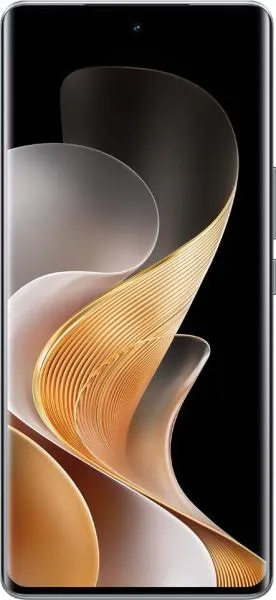
1. Specifications Comparison
| Feature | ZTE nubia Z50S Pro | vivo V40 | Practical Impact |
|---|---|---|---|
| Design | |||
| Dimensions | 163.9 x 76.3 x 8.3 mm | 164.2 x 75 x 7.6 mm | Virtually identical in size, but the vivo V40 is slightly thinner. Negligible difference in hand feel. |
| Weight | 228g | 190g | The vivo V40 is significantly lighter, making it more comfortable for extended use. |
| Build Materials | Not specified | Not specified | Cannot compare build quality and durability without material information. |
| Display | |||
| Size | 6.8" | 6.78" | Negligible size difference. |
| Type | AMOLED, 1B colors, 120Hz | AMOLED, HDR10+, 120Hz | Both offer smooth scrolling and vibrant colors. HDR10+ on the vivo V40 provides better dynamic range in supported content. |
| Resolution | 1260x2800 | 1260x2800 | Identical resolution, resulting in similar sharpness. |
| Peak Brightness | 1200 nits | 4500 nits | The vivo V40 offers significantly higher peak brightness, ensuring excellent outdoor visibility. |
| Performance | |||
| Chipset | Snapdragon 8+ Gen 2 | Snapdragon 7 Gen 3 | The 8+ Gen 2 in the ZTE offers significantly better performance for demanding tasks and gaming. |
| CPU | Octa-core (1x3.36 GHz Cortex-X3 & ...) | Octa-core (1x2.63 GHz Cortex-A715 & ...) | The ZTE boasts a more powerful CPU architecture, leading to faster processing speeds. |
| GPU | Adreno 740 (719 MHz) | Adreno 720 | The ZTE's Adreno 740 provides superior graphics performance for gaming and visually intensive applications. |
| RAM | 12GB | 12GB | Both phones have ample RAM for multitasking. |
| Storage | 1000GB | 512GB | The ZTE offers double the storage capacity, allowing for more apps, photos, and videos. |
| Camera | |||
| Video Capabilities | 8K@30fps, 4K@120fps | 4K@30fps, 1080p@30fps | The ZTE offers superior video recording capabilities with higher resolution and frame rate options. Missing details about specific camera sensors and lens configurations limit a full comparison. |
| Battery | |||
| Capacity | 5100 mAh | 5500 mAh | The vivo V40 has a slightly larger battery, potentially offering longer battery life. Real-world usage will vary. |
2. Key Differences Analysis
ZTE nubia Z50S Pro Advantages:
- Significantly more powerful processor: The Snapdragon 8+ Gen 2 provides a substantial performance advantage for demanding tasks, gaming, and future-proofing.
- Double the storage: 1TB provides ample space for large files and applications.
- Superior video recording: 8K and 4K@120fps offer higher resolution and smoother slow-motion capture.
vivo V40 Advantages:
- Lighter and slimmer design: More comfortable for one-handed use and extended periods.
- Brighter display: Much better visibility in direct sunlight.
- Slightly larger battery: Potentially longer battery life, although real-world performance depends on usage patterns.
- Newer Android Version: Ships with Android 14, potentially offering newer features and longer software support.
Trade-offs:
- The vivo V40 sacrifices performance for a lighter design, brighter display, and potentially longer battery life.
- The ZTE nubia Z50S Pro prioritizes performance and storage but is heavier and might have reduced battery life compared to the vivo V40.
3. User Profiles & Recommendations
ZTE nubia Z50S Pro: Ideal for power users, gamers, and those who prioritize performance, ample storage, and high-quality video recording.
vivo V40: Suitable for users who prioritize a lightweight and comfortable design, excellent outdoor visibility, and potentially longer battery life. Good for everyday tasks, social media, and media consumption.
4. Decision Framework
Key Questions:
- What is your budget and how important is performance? The ZTE is likely more expensive but offers significantly better performance.
- Do you prioritize portability and battery life or raw power? The vivo V40 is lighter and has a larger battery but a less powerful processor.
- What are your primary use cases? Gaming and demanding tasks benefit from the ZTE's power, while casual use favors the vivo's portability and battery.
My Choice: ZTE nubia Z50S Pro
While the vivo V40 offers a compelling combination of design and features, the ZTE nubia Z50S Pro's superior performance, ample storage, and advanced video recording capabilities make it the better choice for me. I prioritize a smooth and responsive user experience, especially for demanding tasks and gaming. The extra weight is a minor trade-off for the significant performance gains and future-proofing offered by the Snapdragon 8+ Gen 2. The larger storage also ensures I won't run out of space for apps, photos, and videos. Finally, the ability to record 8K video is a valuable feature for capturing high-quality memories. While the vivo's brighter display is appealing, I find performance and large storage more crucial for my daily usage.
