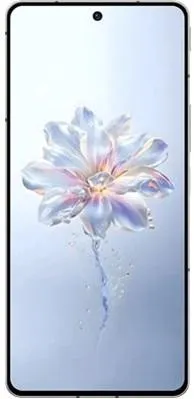
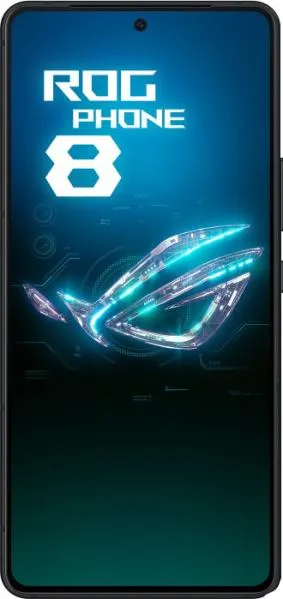
1. Specifications Comparison
| Feature | ZTE nubia Z50S Pro | Asus ROG Phone 8 | Practical Impact |
|---|---|---|---|
| Design | |||
| Dimensions | 163.9 x 76.3 x 8.3 mm | 163.8 x 76.8 x 8.9 mm | Virtually identical in hand feel, ROG Phone 8 slightly thicker. |
| Weight | 228g | 225g | Negligible weight difference. |
| Display | |||
| Size | 6.8" | 6.78" | Negligible size difference. |
| Type | AMOLED, 1B colors, 120Hz | LTPO AMOLED, 1B colors, 165Hz | ROG Phone 8 boasts a higher refresh rate for smoother animations and potentially lower power consumption due to LTPO technology. |
| Resolution | 1260 x 2800 | 1080 x 2400 | ZTE has a sharper display (452 ppi vs 388 ppi), noticeable in text clarity and image detail. ROG Phone 8 prioritizes refresh rate over resolution. |
| Peak Brightness | 1200 nits | 2500 nits | ROG Phone 8 significantly brighter outdoors. |
| Performance | |||
| Chipset | Snapdragon 8+ Gen 2 | Snapdragon 8 Gen 3 | ROG Phone 8 has a newer, more powerful processor, leading to faster performance in demanding tasks and games. |
| CPU | Octa-core (1x3.36 GHz Cortex-X3 & ...) | Octa-core (1x3.3 GHz Cortex-X4 & ...) | ROG Phone 8 has architectural improvements in its CPU, resulting in better performance per watt and overall speed. |
| GPU | Adreno 740 (719 MHz) | Adreno 750 | ROG Phone 8 features a more powerful GPU, delivering smoother gaming and faster graphics rendering. |
| RAM | 12GB | 16GB | ROG Phone 8 offers more RAM, enabling better multitasking and smoother performance with demanding applications. |
| Storage | 1000GB | 256GB | ZTE offers significantly more storage, while ROG Phone 8 provides a more standard, albeit smaller, option. |
| Battery | |||
| Capacity | 5100 mAh | 6000 mAh | ROG Phone 8 has a larger battery, potentially leading to longer battery life. |
| Camera | |||
| Video Capabilities | 8K@30fps, 4K@120fps | 8K@24fps, 4K@60fps, 720p@480fps | Both offer a range of video recording options. ZTE offers higher resolution/frame rate combinations at 4K and 8K, while ROG Phone 8 provides more slow-motion options. Specific image quality comparisons would require sample footage. |
| Other | |||
| OS | Android 13 | Android 14 | ROG Phone 8 ships with a newer OS version, offering potential feature and security updates. It also has a confirmed upgrade path to Android 16. |
2. Key Differences Analysis
ZTE nubia Z50S Pro Advantages:
- Sharper Display: Higher pixel density provides crisper visuals.
- Larger Storage: Significantly more storage space for files and apps.
Asus ROG Phone 8 Advantages:
- More Powerful Performance: Newer chipset, CPU, and GPU deliver significantly better performance.
- Higher Refresh Rate Display: Smoother animations and scrolling.
- Brighter Display: Much brighter for outdoor visibility.
- Larger Battery: Potentially longer battery life.
- Newer OS with Longer Support: Android 14 with confirmed upgrade to 16.
- More RAM: Better multitasking and performance under heavy load.
Trade-offs:
- ROG Phone 8: Lower resolution display for a higher refresh rate and brighter screen. Less storage for a more powerful processor.
3. User Profiles & Recommendations
ZTE nubia Z50S Pro: Users prioritizing a sharp display and ample storage, who are not heavy gamers or require the absolute latest hardware. Suitable for everyday tasks, media consumption, and less demanding gaming.
Asus ROG Phone 8: Power users, mobile gamers, and those who value the latest hardware and software. Ideal for demanding tasks, gaming, and extended use due to the larger battery.
4. Decision Framework
Key Questions:
- What is your primary use case? (Gaming, media consumption, productivity)
- How important is display sharpness versus refresh rate and brightness?
- What is your budget and storage requirement?
Scenario-Based Recommendations:
- Heavy Gamer: Asus ROG Phone 8
- Media Consumption Focused: ZTE nubia Z50S Pro (if sharp display is paramount), otherwise ROG Phone 8 for brighter screen and longer battery.
- Budget-Conscious User: Consider the ZTE nubia Z50S Pro if storage is a priority. However, evaluate if the ROG Phone 8's superior performance and longer software support justify the price premium.
My Choice: Asus ROG Phone 8
While the ZTE phone offers a sharper display and more storage, the Asus ROG Phone 8's superior performance, brighter and smoother display (despite lower resolution), larger battery, newer OS with longer update support, and larger RAM make it the more compelling device overall. The Snapdragon 8 Gen 3 offers a significant performance leap, which future-proofs the phone better for demanding applications and games. The 16GB RAM ensures smooth multitasking even under heavy load. While I appreciate a sharp display, the benefits of a higher refresh rate, extreme brightness, and LTPO for power efficiency outweigh the resolution difference in practical usage for me. The lower storage is manageable with cloud storage solutions. Ultimately, the ROG Phone 8 offers a more well-rounded and future-proof package for my needs.
