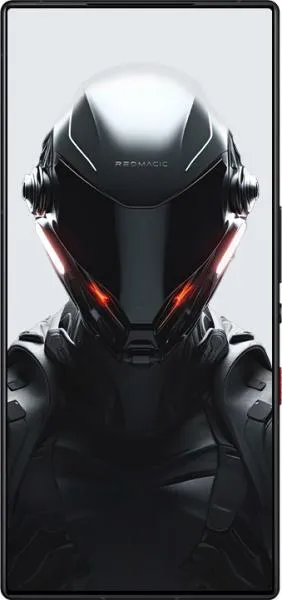
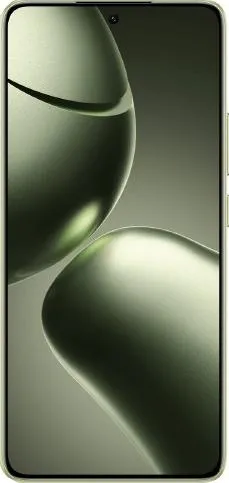
1. Specifications Comparison
| Feature | ZTE nubia Red Magic 9 Pro | Xiaomi 14T | Practical Impact |
|---|---|---|---|
| Design | |||
| Dimensions | 164 x 76.4 x 8.9 mm | 160.5 x 75.1 x 7.8 mm | The Xiaomi 14T is noticeably thinner and slightly shorter, making it potentially more pocketable and comfortable to hold. |
| Weight | 229g | 193g | The Xiaomi 14T is significantly lighter, reducing hand fatigue during extended use. |
| Build Materials | Not specified | Not specified | Cannot compare build quality and durability without material information. |
| Display | |||
| Size | 6.8" | 6.67" | Negligible difference in screen real estate. |
| Type | AMOLED, 1B colors (China only), 120Hz | AMOLED, 68B colors, 144Hz, Dolby Vision, HDR10+ | The Xiaomi 14T boasts a higher refresh rate for smoother animations and scrolling, wider color gamut for more vibrant visuals, and support for Dolby Vision and HDR10+ for enhanced dynamic range in compatible content. The 1B color claim for the Red Magic 9 Pro needs regional clarification. |
| Resolution | 1116 x 2480 | 1220 x 2712 | The Xiaomi 14T has a slightly higher resolution, resulting in sharper text and images. Though both offer excellent clarity. |
| Peak Brightness | 1600 nits | 4000 nits | The Xiaomi 14T offers significantly higher peak brightness, ensuring better visibility in direct sunlight. |
| Performance | |||
| Chipset | Snapdragon 8 Gen 3 | Dimensity 8300 Ultra | Both are high-performance chipsets, but benchmarks are needed for definitive comparison. Snapdragon generally excels in GPU performance, while Dimensity focuses on power efficiency. |
| CPU | Octa-core (1x3.3 GHz Cortex-X4 & 3x3.2 GHz Cortex-A720 & 2x3.0 GHz Cortex-A720 & 2x2.3 GHz Cortex-A520) | Octa-core (1x3.35 GHz Cortex-A715 & 3x3.20 GHz Cortex-A715 & 4x2.20 GHz Cortex-A510) | CPU configurations suggest comparable performance, though the newer architecture of the Snapdragon 8 Gen 3 might offer an advantage. Real-world performance will depend on optimization. |
| GPU | Adreno 750 | Mali G615-MC6 | The Adreno 750 generally provides superior graphical performance compared to the Mali G615-MC6, benefiting demanding games and applications. |
| RAM | 16GB | 12GB | The Red Magic 9 Pro offers more RAM, enabling better multitasking and smoother performance with memory-intensive tasks. |
| Storage | 512GB | 512GB | Both offer the same storage capacity. |
| Battery | |||
| Capacity | 6500 mAh | 5000 mAh | The Red Magic 9 Pro has a significantly larger battery, likely translating to longer battery life. |
| Charging Speed | Not specified | Not specified | Cannot compare charging speeds without specific data. |
2. Key Differences Analysis
ZTE nubia Red Magic 9 Pro Advantages:
- Larger Battery: Significantly longer battery life.
- More RAM: Better multitasking and handling of demanding applications.
- Potentially Superior GPU: Smoother gaming and graphics-intensive tasks.
Xiaomi 14T Advantages:
- Lighter and Thinner: Improved ergonomics and portability.
- Brighter Display: Excellent outdoor visibility.
- Higher Refresh Rate Display: Smoother scrolling and animations.
- Dolby Vision and HDR10+: Enhanced visual experience with compatible content.
3. User Profiles & Recommendations
ZTE nubia Red Magic 9 Pro: Ideal for power users, gamers, and those prioritizing long battery life. Excellent for extended use without recharging.
Xiaomi 14T: Suitable for users prioritizing portability, a vibrant display, and a premium multimedia experience. Great for content consumption and everyday use.
4. Decision Framework
Key Questions for Buyers:
- What is your primary use case? (Gaming, content consumption, productivity)
- How important is battery life?
- Do you prioritize portability and display quality over raw performance?
Scenario-Based Recommendations:
- Gamer: Red Magic 9 Pro for its powerful GPU, more RAM, and larger battery.
- Content Consumer: Xiaomi 14T for its superior display and comfortable form factor.
- Average User: Either phone could be suitable depending on individual priorities for battery life versus portability and display quality.
My Choice: Xiaomi 14T
While the Red Magic 9 Pro boasts a larger battery and potentially better raw performance, the Xiaomi 14T's combination of a superior display, lighter weight, and thinner profile makes it a more compelling overall package for my personal needs. I prioritize a comfortable phone for everyday use with a vibrant screen for content consumption. The 144Hz refresh rate and Dolby Vision/HDR10+ support significantly enhance the visual experience, which I value more than the extra battery capacity and RAM offered by the Red Magic 9 Pro. The lighter weight is crucial for comfort during extended use. While battery life is important, I'm willing to compromise slightly in that area for the overall improved user experience offered by the Xiaomi 14T. Finally, the slightly newer release date suggests potential advantages in software updates and long-term support.
