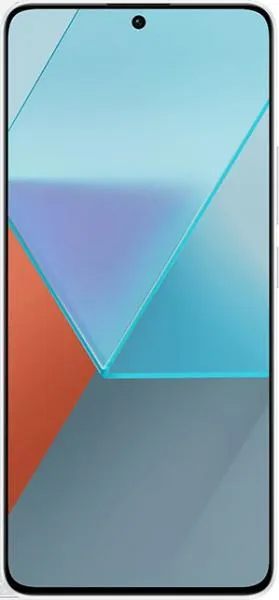

1. Specifications Comparison
| Feature | Category | Xiaomi Redmi Note 13 Pro | OnePlus 12R | Practical Impact |
|---|---|---|---|---|
| Dimensions | Design | 161.2 x 74.2 x 8 mm | 163.3 x 75.3 x 8.8 mm | The OnePlus 12R is slightly larger and thicker. May impact one-handed usability. |
| Weight | Design | 187g | 207g | The Redmi is noticeably lighter, reducing hand fatigue during extended use. |
| Display Size | Display | 6.67" | 6.78" | Negligible difference in screen real estate. |
| Display Type | Display | AMOLED, 120Hz | LTPO4 AMOLED, 120Hz | Both offer smooth scrolling and vibrant colors. LTPO on the 12R allows for more granular refresh rate control, potentially saving battery. |
| Peak Brightness | Display | 1800 nits | 4500 nits | The 12R's significantly higher peak brightness ensures superior outdoor visibility. |
| Resolution | Display | 1220 x 2712 | 1264 x 2780 | Both are sharp displays; the slight difference in resolution is practically imperceptible. |
| Chipset | Performance | Snapdragon 7s Gen 2 | Snapdragon 8 Gen 2 | The 8 Gen 2 in the 12R offers significantly better performance, especially for demanding tasks and gaming. |
| CPU | Performance | Octa-core (4x2.4 GHz A78 & 4x1.95 GHz A55) | Octa-core (1x3.2 GHz X3 & 2x2.8 GHz A715 & 2x2.8 GHz A710 & 3x2.0 GHz A510) | The 12R has a more powerful CPU architecture, resulting in faster app launches, smoother multitasking, and better overall responsiveness. |
| GPU | Performance | Adreno 710 | Adreno 740 | The 12R's Adreno 740 provides a significant boost in graphics performance, leading to a smoother gaming experience and faster rendering times. |
| RAM/Storage | Performance | Multiple Options | 256GB/16GB | 12R offers ample RAM and storage for most users. Redmi's multiple options provide flexibility depending on budget and needs. |
| Battery Capacity | Battery | 5100 mAh | 5500 mAh | The 12R offers a larger battery, potentially resulting in longer battery life. Real-world usage will depend on software optimization and user habits. |
| OS | Software | Android 13 | Android 14 | 12R launches with the newer Android version, offering potential feature and security advantages. Redmi may receive updates to newer versions later. |
| Video Capabilities | Camera | 4K@30fps, 1080p up to 120fps with EIS | Up to 4K@60fps, 1080p up to 240fps with OIS & EIS | The 12R offers superior video recording capabilities with higher resolution and frame rate options, along with Optical Image Stabilization (OIS) for smoother footage. |
| Sensors | Other | Accelerometer, Gyro, Compass, Fingerprint (under display) | Accelerometer, Gyro, Proximity, Compass, Fingerprint (under display), Color Spectrum | The color spectrum sensor on the 12R might contribute to better display color accuracy. Practical difference might be minimal. |
2. Key Differences Analysis
OnePlus 12R Advantages:
- Significantly better performance: The Snapdragon 8 Gen 2 offers a major leap in processing power and graphics capabilities compared to the Snapdragon 7s Gen 2.
- Brighter Display: The peak brightness of 4500 nits makes the 12R's screen much more usable in direct sunlight.
- Superior Video Recording: Higher resolution, frame rates, and the inclusion of OIS translate to significantly better video quality.
- Larger Battery: The 5500 mAh battery has the potential to provide longer battery life.
- Newer Android Version: Ships with Android 14, offering the latest features and security updates.
Xiaomi Redmi Note 13 Pro Advantages:
- Lighter and More Compact: Noticeably lighter and slightly smaller, making it more comfortable for one-handed use and extended periods.
- More Affordable: Generally priced lower than the 12R, offering better value for budget-conscious buyers.
- Storage Options: Offers multiple RAM and storage configurations, catering to different needs and budgets.
Trade-offs:
- Performance vs. Price: The Redmi sacrifices performance for affordability.
- Screen Brightness vs. Battery Life: The 12R's extremely high peak brightness may impact battery life.
3. User Profiles & Recommendations
Xiaomi Redmi Note 13 Pro: Ideal for budget-conscious users who prioritize everyday tasks like browsing, social media, and light gaming. Suitable for users who value a lightweight and compact phone.
OnePlus 12R: Ideal for power users who demand top-tier performance for gaming, demanding applications, and multimedia consumption. Also suitable for users who prioritize a bright and vibrant display and advanced camera features.
4. Decision Framework
Key Questions for Buyers:
- What is your budget? The Redmi offers better value for money, while the 12R commands a premium for its superior performance.
- What are your primary use cases? For everyday tasks, the Redmi suffices. For demanding tasks and gaming, the 12R is significantly better.
- Do you prioritize portability or performance? The Redmi is lighter and more compact, while the 12R prioritizes performance.
Scenario-Based Recommendations:
- Limited Budget, Casual User: Redmi Note 13 Pro
- Gamer, Power User: OnePlus 12R
- Outdoor Enthusiast: OnePlus 12R (due to brighter display)
My Choice: OnePlus 12R
While the Redmi Note 13 Pro offers excellent value, I would choose the OnePlus 12R. The significantly improved performance of the Snapdragon 8 Gen 2, coupled with the brighter display and superior video recording capabilities, justifies the higher price for me. I prioritize a smooth and responsive user experience, especially for gaming and multitasking. The newer Android version and larger battery are also compelling factors. While the added weight is a minor drawback, the overall performance and feature set of the 12R align better with my needs and preferences. The jump in performance and display quality are worth the price difference in my opinion.
