1. Specifications Comparison
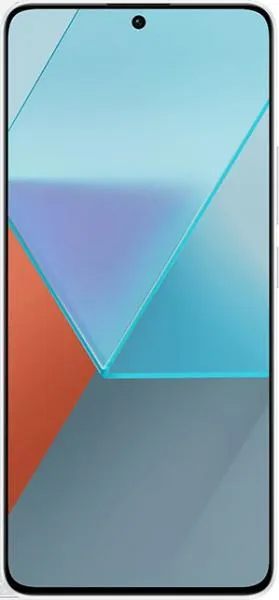
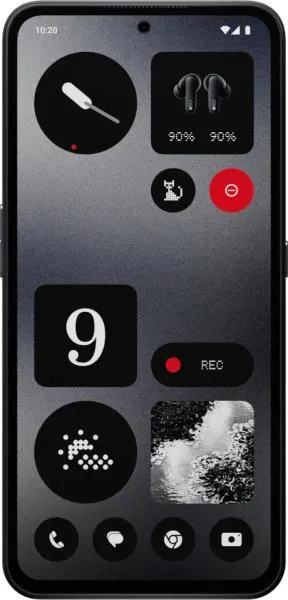
| Feature | Xiaomi Redmi Note 13 Pro | Nothing CMF Phone 1 | Practical Impact |
|---|---|---|---|
| Design | |||
| Dimensions | 161.2 x 74.2 x 8 mm | 164 x 77 x 8.2 mm | The Redmi is slightly smaller and thinner, potentially easier to handle for some. |
| Weight | 187g | 197g | The Redmi is noticeably lighter, reducing hand fatigue during extended use. |
| Build Materials | Not specified | Not specified | Cannot compare without information. |
| Display | |||
| Size | 6.67" | 6.67" | Identical screen sizes. |
| Type | AMOLED, 120Hz, Dolby Vision | AMOLED, 120Hz | Both offer smooth scrolling and vibrant colors thanks to AMOLED and 120Hz. Redmi's Dolby Vision support may offer slightly better HDR video quality. |
| Resolution | 1220 x 2712 (FHD+) | 1080 x 2400 (FHD+) | The Redmi has a sharper display due to the higher resolution, resulting in clearer text and images. |
| Peak Brightness | 1800 nits | 2000 nits | The Nothing Phone might be slightly more readable in direct sunlight. |
| Performance | |||
| Chipset | Snapdragon 7s Gen 2 (4nm) | Dimensity 7300 (4nm) | Both are mid-range chipsets built on a 4nm process, suggesting comparable power efficiency. Performance differences likely to be minor based on benchmarks. |
| CPU | Octa-core (4x2.4 GHz Cortex-A78 & 4x1.95 GHz Cortex-A55) | Octa-core (4x2.5 GHz Cortex-A78 & 4x2.0 GHz Cortex-A55) | The Nothing Phone has slightly higher clocked CPU cores, potentially offering a slight edge in demanding tasks. Real-world difference may be negligible. |
| GPU | Adreno 710 | Mali-G615 MC2 | GPU performance comparisons require benchmarks. Expect decent gaming performance from both, but specific game performance may vary. |
| RAM/Storage | Multiple options up to 12GB RAM/512GB | Up to 8GB RAM/256GB | The Redmi offers more RAM and storage options, beneficial for multitasking and storing large files. |
| Battery | |||
| Capacity | 5100 mAh | 5000 mAh | Negligible difference in battery capacity; real-world battery life will depend more on software optimization and usage patterns. |
| Charging Speed | Not specified | Not specified | Cannot compare charging speeds without information. |
| Other | |||
| OS | Android 13 | Android 14 | The Nothing Phone ships with a newer Android version, offering potential feature and security advantages. Redmi will likely receive updates to Android 14. |
| NFC | Yes | No | Redmi supports NFC for contactless payments and other functionalities, a crucial feature missing in the Nothing Phone for many users. |
| Sensors | Accelerometer, gyro, compass, fingerprint (under display) | Accelerometer, proximity, compass, fingerprint (under display) | The Redmi includes a gyroscope, important for certain apps and games relying on motion sensing. |
| Video Capabilities | 4K@30fps, 1080p@ various fps with EIS | 4K@30fps, 1080p@ various fps with EIS | Both offer similar video recording capabilities with electronic image stabilization. |
2. Key Differences Analysis
Xiaomi Redmi Note 13 Pro Advantages:
- Sharper Display: Higher resolution for clearer visuals.
- More RAM and Storage Options: Better for multitasking and large files.
- NFC: Enables contactless payments and other functionalities.
- Gyroscope: Enhances gaming and certain app experiences.
- Potentially Better HDR Video: Due to Dolby Vision support.
- Lighter Weight: More comfortable for extended use.
Nothing CMF Phone 1 Advantages:
- Slightly Brighter Display: Better visibility in direct sunlight.
- Slightly Faster CPU: Potential minor performance advantage in demanding tasks.
- Newer Android Version: Access to latest features and security updates out of the box.
3. User Profiles & Recommendations
Redmi Note 13 Pro: Ideal for users prioritizing a sharp display, ample storage, NFC functionality, and all-around versatility. Excellent for media consumption, mobile gaming, and everyday tasks.
Nothing CMF Phone 1: Suitable for users who prefer a slightly brighter display and potentially smoother performance in demanding tasks. A good choice if the latest Android version is a priority and NFC is not essential.
4. Decision Framework
Key Questions for Buyers:
- Is NFC crucial for your daily usage?
- Do you prioritize a sharper display or a slightly brighter one?
- How much importance do you place on having the latest Android version out-of-the-box?
My Choice: Xiaomi Redmi Note 13 Pro
While the Nothing Phone offers a brighter display and newer Android version, the Redmi Note 13 Pro's advantages in crucial areas like NFC, display sharpness, RAM/storage options, and lower weight outweigh these benefits for me. The gyroscope is also a significant factor for certain gaming and AR applications. The lack of NFC on the Nothing Phone is a major drawback for my usage. While subjective preferences play a role, the Redmi offers more practical value and versatility for my needs.
