1. Specifications Comparison
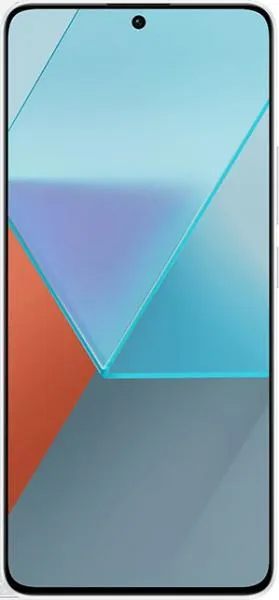
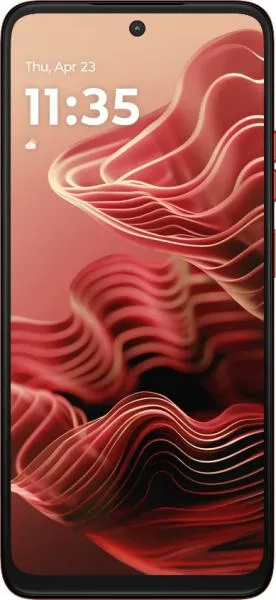
| Feature | Xiaomi Redmi Note 13 Pro | Motorola Moto G35 | Practical Impact | |
|---|---|---|---|---|
| Design | ||||
| Dimensions | 161.2 x 74.2 x 8 mm | 166.3 x 76 x 7.8 mm | The Redmi is slightly smaller and thinner, potentially offering a better one-handed grip. | |
| Weight | 187g | 188g | Negligible weight difference. | |
| Fingerprint Sensor | Under display | Side-mounted | Personal preference, but under-display is often considered more modern. | |
| Display | ||||
| Display Type | AMOLED, 68B colors, 120Hz, Dolby Vision | IPS LCD, 120Hz, HDR10 | AMOLED offers deeper blacks, more vibrant colors, and better power efficiency. Dolby Vision support on the Redmi provides superior HDR performance. | |
| Display Size | 6.67" | 6.72" | Slight size difference, negligible in practical use. | |
| Resolution | 1220 x 2712 | 1080 x 2400 | Significantly sharper and more detailed visuals on the Redmi due to higher resolution. | |
| Refresh Rate | 120Hz | 120Hz | Both offer smooth scrolling and animations. | |
| Peak Brightness | 1800 nits | 1000 nits | The Redmi's display will be much more visible in direct sunlight. | |
| Performance | ||||
| Chipset | Snapdragon 7s Gen 2 (4nm) | Unisoc T760 (6nm) | The Snapdragon chip is generally considered more powerful and efficient than the Unisoc T760. This translates to smoother multitasking, better gaming performance, and improved battery life on the Redmi. | |
| CPU | Octa-core (4x2.40 GHz Cortex-A78 & 4x1.95 GHz Cortex-A55) | Octa-core (1x2.2 GHz Cortex-A76 & 3x Cortex-A76 & 4x Cortex-A55) | The Redmi likely has a performance advantage due to its higher clocked cores and more powerful architecture. | |
| GPU | Adreno 710 | Mali-G57 | The Adreno 710 generally offers better gaming performance compared to the Mali-G57. | |
| RAM/Storage | 256GB/8GB, 256GB/12GB, 512GB/12GB | 128GB/8GB | The Redmi offers more storage options, catering to users with higher storage demands. | |
| Battery | ||||
| Capacity | 5100 mAh | 5000 mAh | Negligible difference in battery capacity. | |
| Camera | ||||
| Video Capabilities | 4K@30fps (EIS), 1080p@30/60/120fps (EIS) | 4K@30fps, 1080p@30fps | The Redmi offers more video recording options and Electronic Image Stabilization (EIS) at various resolutions and frame rates, resulting in smoother and more stable videos. | Note: detailed camera specs are missing, limiting comprehensive comparison. |
| Software | ||||
| OS | Android 13 | Android 14 | Moto G35 launches with the latest Android version. Redmi may receive updates to Android 14 or later, but this is not guaranteed. |
2. Key Differences Analysis
Redmi Note 13 Pro Advantages:
- Superior Display: AMOLED with higher resolution, brightness, and Dolby Vision.
- Better Performance: More powerful Snapdragon chipset.
- More Storage Options: Up to 512GB.
- More Versatile Video Recording: More frame rate and resolution options with EIS.
Moto G35 Advantages:
- Latest Android OS: Ships with Android 14.
- Potentially Lower Price: While both are mid-range, the Moto G35 might be priced lower given the less powerful specs.
3. User Profiles & Recommendations
Redmi Note 13 Pro: Users who prioritize display quality, performance, and having ample storage. Suitable for gaming, media consumption, and demanding tasks.
Moto G35: Users who prioritize having the latest Android OS and seek a budget-friendly option for basic tasks like browsing, social media, and communication.
4. Decision Framework
Key Questions:
- What is your budget?
- What are your primary use cases (gaming, photography, media consumption)?
- How important is display quality and performance?
Scenario-Based Recommendations:
- Tight Budget, Basic Use: Moto G35
- Balanced Needs, Value for Money: Redmi Note 13 Pro
- Demanding User, Best Performance: Redmi Note 13 Pro
My Choice: Xiaomi Redmi Note 13 Pro
Reasoning: The Redmi Note 13 Pro offers a significantly better display, a more powerful processor, and greater flexibility in storage options. While the Moto G35 has the advantage of the latest Android OS, the superior hardware and overall user experience offered by the Redmi outweigh this for me. The difference in display quality alone is a major deciding factor, as I value a vibrant and sharp screen for media consumption. The performance advantage also ensures smoother operation for various tasks and future-proofs the device better.
