1. Specifications Comparison
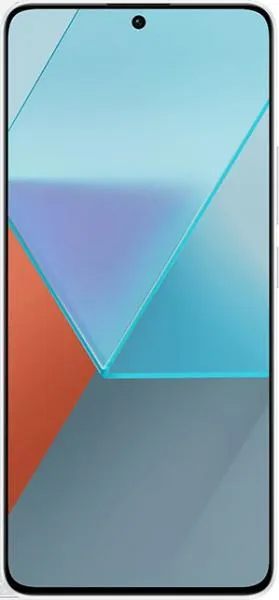
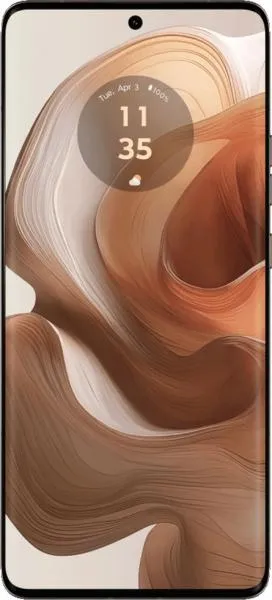
| Feature | Xiaomi Redmi Note 13 Pro | Motorola Edge 50 Ultra | Practical Impact |
|---|---|---|---|
| Design | |||
| Dimensions | 161.2 x 74.2 x 8 mm | 161.1 x 72.4 x 8.6 mm | Virtually identical in hand feel, though the Motorola is slightly thicker. |
| Weight | 187g | 197g | The Motorola is noticeably heavier, potentially impacting one-handed use. |
| Build Materials | Not specified | Not specified | Cannot compare build quality and durability without more information. |
| Display | |||
| Display Type | AMOLED, 68B colors | P-OLED, 1B colors | The Motorola's P-OLED likely offers improved power efficiency and potentially better blacks. Both should offer vibrant colors due to high color depth. |
| Size | 6.67" | 6.7" | Negligible size difference. |
| Resolution | 1220 x 2712 | 1220 x 2712 | Identical resolution, resulting in similar sharpness. |
| Refresh Rate | 120Hz | 144Hz | The Motorola's higher refresh rate will result in smoother animations and scrolling, especially noticeable in gaming and fast-paced content. |
| Peak Brightness | 1800 nits | 2500 nits | The Motorola will be significantly more readable in direct sunlight. |
| Performance | |||
| Chipset | Snapdragon 7s Gen 2 | Snapdragon 8s Gen 3 | The Motorola uses a flagship-level processor, offering significantly better performance in demanding tasks like gaming and video editing. The Redmi's mid-range chip should handle everyday tasks well. |
| CPU | Octa-core (4x2.4 GHz A78 & 4x1.95 GHz A55) | Octa-core (1x3.0 GHz X4 & 4x2.8 GHz A720 & 3x2.0 GHz A520) | The Motorola's CPU architecture is more powerful and efficient, resulting in faster processing and better multitasking. |
| GPU | Adreno 710 | Adreno 735 | The Motorola's superior GPU will provide a much better gaming experience and handle graphics-intensive tasks with ease. |
| RAM | 8GB/12GB | 16GB | The Motorola offers more RAM, enabling better multitasking and smoother performance with numerous apps open. |
| Storage | 256GB/512GB | 512GB | Comparable storage options for most users. |
| Battery | |||
| Capacity | 5100 mAh | 4500 mAh | The Redmi has a larger battery capacity, potentially offering longer battery life despite its less efficient display technology. Real-world usage will vary. |
| Charging Speed | Not specified | Not specified | Cannot compare charging speeds without specific data. |
| Camera | |||
| Video Capabilities | Up to 4K@30fps | Up to 4K@60fps & 960fps slow-mo | The Motorola offers significantly better video recording capabilities, including higher resolution and frame rate options, as well as super slow motion. |
2. Key Differences Analysis
Motorola Edge 50 Ultra Advantages:
- Significantly more powerful: The Snapdragon 8s Gen 3 offers a substantial performance advantage for demanding tasks and gaming.
- Smoother Display: The 144Hz refresh rate provides a noticeable improvement in fluidity.
- Brighter Display: Much brighter for outdoor use.
- Superior Video Recording: More versatile and higher quality video recording options.
- More RAM: Improved multitasking and overall responsiveness.
Xiaomi Redmi Note 13 Pro Advantages:
- Potentially Longer Battery Life: Larger battery capacity might offset the less efficient display.
- More Color Options: Wider variety of aesthetic choices.
- Potentially Lower Price: Though both are mid-range, the Redmi may be more affordable.
Trade-offs:
- Performance vs. Battery Life: The Motorola prioritizes performance with a powerful processor but a smaller battery. The Redmi balances performance and battery life.
3. User Profiles & Recommendations
Xiaomi Redmi Note 13 Pro: Suitable for users who prioritize battery life, value a variety of color options, and primarily use their phone for everyday tasks like browsing, social media, and casual photography. Good for budget-conscious users.
Motorola Edge 50 Ultra: Ideal for users who demand high performance for gaming, video editing, or other demanding tasks. Also suitable for users who prioritize a smooth and bright display and advanced video recording features.
4. Decision Framework
Key Questions:
- What is your budget? The Redmi is likely more affordable.
- What are your primary phone usage patterns? Heavy gaming and content creation favor the Motorola. Everyday tasks and longer battery life favor the Redmi.
- Which features are most important to you? Prioritize performance, display, or battery life?
My Choice: Motorola Edge 50 Ultra
While lacking information on pricing and charging speeds, the Motorola Edge 50 Ultra is the superior device for my needs. The significantly more powerful processor, smoother and brighter display, and advanced video recording capabilities outweigh the potential benefits of the Redmi's larger battery. I prioritize performance and a premium user experience, and the Motorola delivers in these areas. The difference in weight is minor and acceptable for the performance gains. Even if the Redmi offers slightly better battery life, I value the superior performance and display of the Motorola more.
