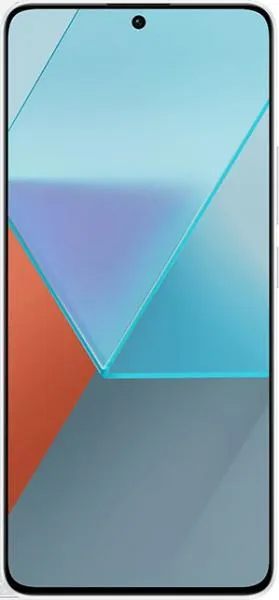
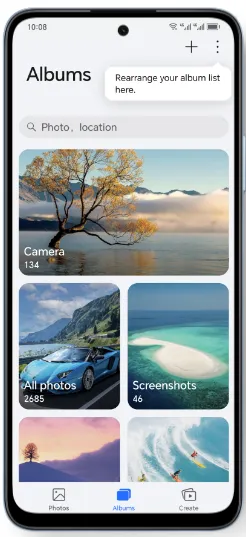
1. Specifications Comparison
| Feature | Xiaomi Redmi Note 13 Pro | Honor X7b | Practical Impact |
|---|---|---|---|
| Design | |||
| Dimensions (mm) | 161.2 x 74.2 x 8 | 166.7 x 76.5 x 8.2 | The Redmi is slightly smaller and thinner, making it potentially more pocketable. |
| Weight (g) | 187 | 199 | The Redmi is noticeably lighter, improving one-handed use. |
| Fingerprint Sensor | Under-display | Side-mounted | Preference-based, but under-display is often considered more modern. |
| Display | |||
| Display Type | AMOLED, 120Hz | IPS LCD, 90Hz | The Redmi's AMOLED offers richer blacks, more vibrant colors, and better power efficiency. The 120Hz refresh rate provides smoother scrolling and animations compared to the 90Hz on the Honor. |
| Resolution | 1220 x 2712 | 1080 x 2412 | The Redmi's significantly higher resolution results in sharper text and images. |
| Peak Brightness (nits) | 1800 | 850 | The Redmi will be much more readable in direct sunlight. |
| Performance | |||
| Chipset | Snapdragon 7s Gen 2 (4nm) | Snapdragon 680 4G (6nm) | The 7s Gen 2 in the Redmi offers significantly better performance in demanding tasks and gaming. |
| CPU | Octa-core (4x2.40 GHz Cortex-A78 & 4x1.95 GHz Cortex-A55) | Octa-core (4x2.4 GHz Kryo 265 Gold & 4x1.9 GHz Kryo 265 Silver) | The Redmi's CPU architecture provides a performance advantage. |
| GPU | Adreno 710 | Adreno 610 | The Redmi's GPU is more powerful, enabling smoother gaming and faster graphics rendering. |
| RAM/Storage Options | 256GB/8GB, 256GB/12GB, 512GB/12GB | 128GB/8GB, 256GB/6GB | Redmi offers more RAM in its higher storage configuration, benefiting multitasking. |
| Camera | |||
| Video Capabilities | 4K@30fps, 1080p@ various fps with EIS | 1080p@30fps | The Redmi offers superior video recording capabilities with 4K resolution and Electronic Image Stabilization (EIS) at various frame rates. Detailed camera specifications (MP, aperture) are missing, limiting a complete comparison. |
| Battery | |||
| Capacity (mAh) | 5100 | 5330 | While the Honor has a slightly larger battery, the Redmi's AMOLED display and more efficient chipset could result in comparable or even better battery life. |
2. Key Differences Analysis
Redmi Note 13 Pro Advantages:
- Superior Display: AMOLED with higher resolution, refresh rate, and peak brightness. This translates to a dramatically better viewing experience.
- Significantly Better Performance: The 7s Gen 2 chipset and Adreno 710 GPU provide a smoother and more responsive user experience, especially for gaming.
- More Versatile Video Recording: 4K recording and EIS offer greater flexibility for content creation.
Honor X7b Advantages:
- Slightly Larger Battery: Potentially longer battery life, though real-world usage depends on other factors.
- Potentially Lower Price: While not specified, Honor phones often target a more budget-conscious market.
Trade-offs:
- Performance vs. Battery: The Redmi prioritizes performance, potentially at the cost of slightly reduced battery life compared to the Honor (though this is not certain given the Redmi's AMOLED efficiency).
3. User Profiles & Recommendations
Redmi Note 13 Pro: Users who prioritize performance, a vibrant display, and versatile camera features. Ideal for gaming, media consumption, and content creation.
Honor X7b: Users seeking a basic smartphone for everyday tasks like calling, texting, and browsing, with a focus on potential affordability and long battery life. Suitable for users with less demanding needs.
4. Decision Framework
Key Questions:
- What is your budget? The Redmi is likely more expensive.
- What are your primary smartphone uses? Gaming and media consumption benefit from the Redmi's superior performance and display.
- How important is battery life? While unclear which phone has better real-world battery life, the Honor's larger battery might appeal to users prioritizing longevity.
Scenario-Based Recommendations:
- Heavy User: Redmi Note 13 Pro for its performance and features.
- Light User: Honor X7b if budget is a primary concern.
- Gamer: Redmi Note 13 Pro for its powerful GPU and high refresh rate display.
My Choice: Xiaomi Redmi Note 13 Pro
Reasons:
The Redmi Note 13 Pro offers a significantly better overall user experience due to its superior display, performance, and more versatile camera features. While the Honor X7b might offer slightly longer battery life, the Redmi's advantages in key areas like performance, display quality, and video recording make it a more compelling device. The smoother 120Hz display, brighter screen for outdoor use, and the ability to record 4K video are significant advantages that outweigh the slightly larger battery capacity of the Honor X7b. I prioritize a responsive and enjoyable user experience, and the Redmi Note 13 Pro delivers on that front. The higher resolution also makes a big difference in sharpness for everyday tasks. I am willing to accept a potentially slightly higher price for the noticeable improvements offered by the Redmi.
