1. Specifications Comparison
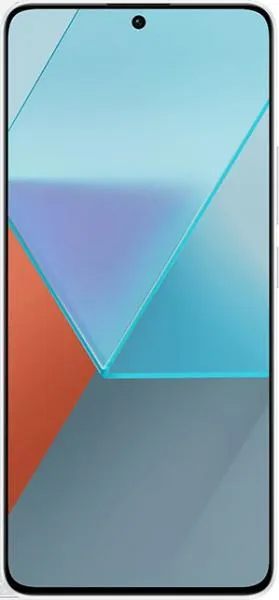
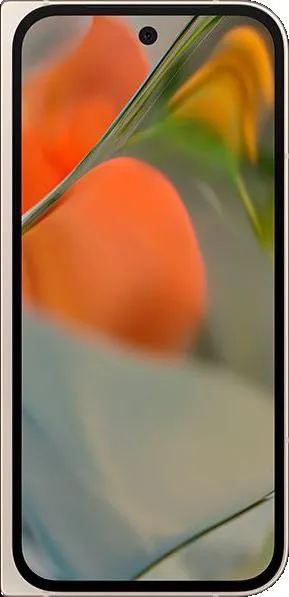
| Feature | Xiaomi Redmi Note 13 Pro | Google Pixel 9 Pro Fold | Practical Impact |
|---|---|---|---|
| Design | |||
| Dimensions | 161.2 x 74.2 x 8 mm | 155.2 x 150.2 x 5.1mm (folded) | Pixel Fold is significantly wider when unfolded, pocketability is impacted. Redmi is thinner and lighter. |
| Weight | 187g | 257g | Redmi is noticeably lighter for one-handed use. |
| Foldable | No | Yes | Pixel Fold offers a larger screen for multitasking and media consumption but with added bulk. |
| Display | |||
| Size | 6.67" | 8" (unfolded) | Larger display on Pixel Fold for immersive experiences, smaller folded screen for portability. |
| Type | AMOLED, 120Hz | Foldable LTPO OLED, 120Hz | Both offer smooth scrolling and animations. LTPO on Pixel Fold allows for more granular refresh rate control for power saving. |
| Peak Brightness | 1800 nits | 2700 nits | Pixel Fold offers superior visibility in direct sunlight. |
| Resolution | 1220 x 2712 | 2076 x 2152 (unfolded) | Pixel Fold has a higher resolution when unfolded but lower ppi due to the larger size. |
| Performance | |||
| Chipset | Snapdragon 7s Gen 2 (4nm) | Google Tensor G4 (4nm) | Tensor G4 is expected to offer superior performance, especially in AI and machine learning tasks. |
| CPU | Octa-core (4x2.4 GHz & 4x1.95 GHz) | Octa-core (1x3.1 GHz & 3x2.6 GHz & 4x1.92 GHz) | Tensor G4's more powerful core architecture should result in faster app loading and smoother multitasking. |
| GPU | Adreno 710 | Mali-G715 MC7 | Tensor G4 with Mali-G715 likely offers better gaming performance. |
| RAM | 8GB/12GB | 16GB | Pixel Fold offers more RAM for seamless multitasking and demanding applications. |
| Battery | |||
| Capacity | 5100 mAh | 4650 mAh | Redmi has larger battery capacity, but real-world battery life depends on usage and software optimization. Foldable displays generally consume more power. |
| Other | |||
| OS | Android 13, up to 16 | Android 14, up to 21 | Pixel Fold will receive longer software updates and newer Android features. |
| Price | Medium | High | Significant price difference, reflecting features and performance. |
2. Key Differences Analysis
Xiaomi Redmi Note 13 Pro Advantages:
- Lower Price: Significantly more affordable.
- Lighter and Thinner: Easier to handle and carry.
- Larger Battery Capacity: Potentially longer battery life.
Google Pixel 9 Pro Fold Advantages:
- Foldable Display: Offers larger screen real estate for multitasking and media consumption.
- More Powerful Processor: Superior performance for demanding tasks and gaming.
- More RAM: Smoother multitasking and better handling of demanding applications.
- Longer Software Support: Will receive updates and new features for a longer period.
- Brighter Display: Better outdoor visibility.
3. User Profiles & Recommendations
Redmi Note 13 Pro: Budget-conscious users who prioritize affordability, battery life, and a lightweight design. Suitable for everyday tasks, social media, and light gaming.
Pixel 9 Pro Fold: Users who value cutting-edge technology, a large and flexible display for multitasking and media consumption, top-tier performance, and the latest software features. Suitable for power users, content creators, and those who want a premium device.
4. Decision Framework
Key Questions for Buyers:
- What is your budget? The Pixel Fold is significantly more expensive.
- How important is a foldable display? This is the defining feature of the Pixel Fold.
- What are your performance needs? The Pixel Fold offers a significant performance advantage.
My Choice: Google Pixel 9 Pro Fold
While the Redmi Note 13 Pro offers excellent value, I would choose the Google Pixel 9 Pro Fold. The foldable form factor is a game changer for productivity and media consumption, allowing for a truly unique user experience. The significantly more powerful Tensor G4 processor, coupled with 16GB of RAM, ensures a smooth and future-proof experience. Longer software support is also a crucial factor for me. While the higher price is a considerable investment, the innovative technology and premium experience justify the cost for my needs. The Redmi is a great option for budget-minded buyers, but the Pixel Fold offers a leap forward in mobile technology that I find compelling.
