1. Specifications Comparison
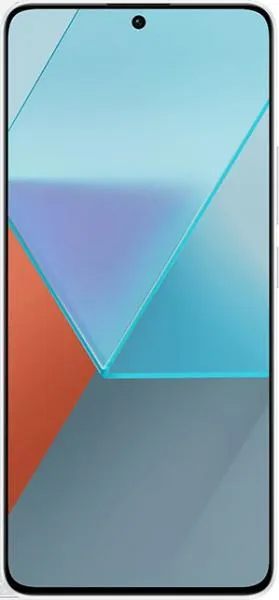
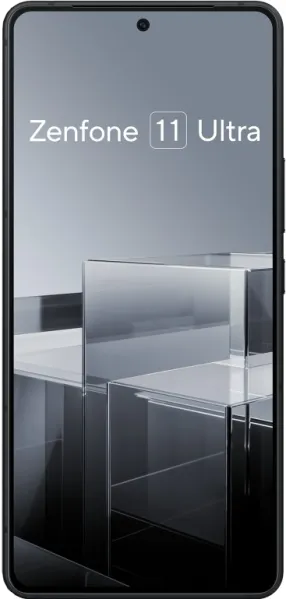
| Feature | Xiaomi Redmi Note 13 Pro | Asus Zenfone 11 Ultra | Practical Impact |
|---|---|---|---|
| Design | |||
| Dimensions | 161.2 x 74.2 x 8 mm | 163.8 x 76.8 x 8.9 mm | Zenfone 11 Ultra is slightly larger and thicker. |
| Weight | 187g | 224g | Redmi Note 13 Pro is noticeably lighter, reducing hand fatigue during extended use. |
| Display | |||
| Size | 6.67" | 6.78" | Zenfone 11 Ultra offers a slightly larger screen for more immersive content consumption. |
| Type | AMOLED, 120Hz | LTPO AMOLED, 144Hz | Both offer vibrant colors and smooth scrolling. Zenfone 11 Ultra's LTPO panel allows for more granular refresh rate control, potentially saving battery. Its higher refresh rate may result in smoother animations but might not be noticeable to all users. |
| Resolution | 1220 x 2712 | 1080 x 2400 | Redmi Note 13 Pro has a sharper display (446 ppi vs 388 ppi) resulting in crisper text and images. |
| Peak Brightness | 1800 nits | 2500 nits | Zenfone 11 Ultra offers significantly higher peak brightness, improving outdoor visibility. |
| Performance | |||
| Chipset | Snapdragon 7s Gen 2 | Snapdragon 8 Gen 3 | Zenfone 11 Ultra has a significantly more powerful processor, enabling smoother performance in demanding tasks like gaming and video editing. |
| CPU | Octa-core (4x2.4 GHz Cortex-A78 & 4x1.95 GHz Cortex-A55) | Octa-core (1x3.3 GHz Cortex-X4 & 3x3.2 GHz Cortex-A720 & 2x3.0 GHz Cortex-A720 & 2x2.3 GHz Cortex-A520) | Zenfone 11 Ultra's CPU architecture and higher clock speeds offer superior multi-core performance. |
| GPU | Adreno 710 | Adreno 750 | Zenfone 11 Ultra's GPU provides a substantial improvement in graphics performance for gaming and visually intensive applications. |
| RAM | 8GB/12GB | 16GB | Zenfone 11 Ultra offers more RAM, enabling better multitasking and smoother performance with multiple apps open. |
| Battery | |||
| Capacity | 5100 mAh | 5500 mAh | Zenfone 11 Ultra has a slightly larger battery, potentially offering longer battery life. However, real-world battery life depends on various factors including usage patterns and software optimization. |
| Camera | |||
| Video Capabilities | 4K@30fps | Up to 8K@24fps | Zenfone 11 Ultra supports higher resolution video recording with more advanced features like 8K and higher frame rate options, catering to content creators. |
| Note: Detailed camera sensor specifications are missing, making a complete camera comparison impossible. |
2. Key Differences Analysis
Xiaomi Redmi Note 13 Pro Advantages:
- Lighter and more compact: Easier to handle and carry.
- Sharper display: Crisper text and images due to higher pixel density.
Asus Zenfone 11 Ultra Advantages:
- Significantly more powerful: Superior performance for demanding tasks and gaming due to the Snapdragon 8 Gen 3.
- Brighter display: Better outdoor visibility.
- Larger battery: Potential for longer battery life.
- More RAM: Smoother multitasking.
- More advanced video recording capabilities: Caters to content creators with options like 8K recording.
3. User Profiles & Recommendations
Xiaomi Redmi Note 13 Pro: Suitable for users who prioritize a lightweight and compact phone with a sharp display for everyday tasks like browsing, social media, and casual gaming. Good value for its price.
Asus Zenfone 11 Ultra: Ideal for power users and content creators who demand top-tier performance for demanding tasks, gaming, and high-quality video recording.
4. Decision Framework
Key Questions for Buyers:
- What is your budget? While both are listed as "medium price", the Zenfone 11 Ultra is likely to be more expensive.
- What are your primary use cases? Casual use vs. demanding tasks/gaming/content creation.
- Do you prioritize portability and comfort? The Redmi Note 13 Pro is significantly lighter.
My Choice: Asus Zenfone 11 Ultra
While the Redmi Note 13 Pro offers a compelling value proposition with its sharp display and lightweight design, the Zenfone 11 Ultra's superior performance, brighter display, larger battery, and advanced video recording capabilities make it the better choice for me. I prioritize performance and future-proofing, and the Snapdragon 8 Gen 3 ensures a smooth and powerful experience for years to come. The extra weight is a minor trade-off for the significant performance gains. The ability to record 8K video is a bonus, even if not frequently used. While detailed camera sensor information is missing, the overall package of the Zenfone 11 Ultra leans towards a more premium and powerful device.
