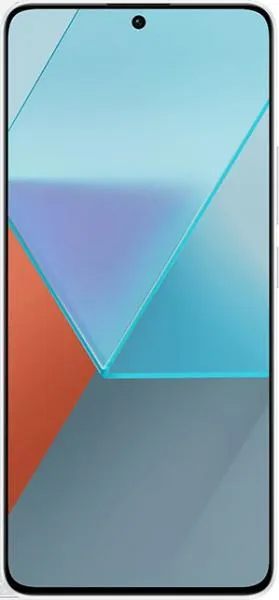
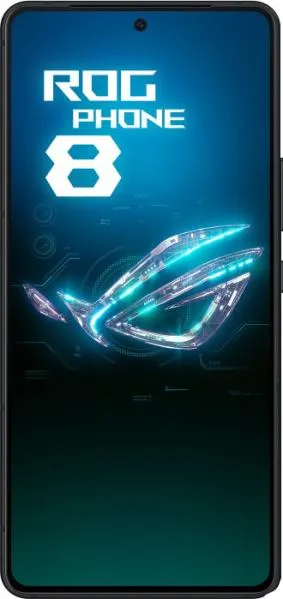
1. Specifications Comparison
| Feature | Xiaomi Redmi Note 13 Pro | Asus ROG Phone 8 | Practical Impact |
|---|---|---|---|
| Design | |||
| Dimensions | 161.2 x 74.2 x 8 mm | 163.8 x 76.8 x 8.9 mm | ROG Phone 8 is larger and slightly thicker. Redmi Note 13 Pro is more pocketable. |
| Weight | 187g | 225g | ROG Phone 8 is noticeably heavier, potentially less comfortable for extended use. |
| Display | |||
| Size | 6.67" | 6.78" | Negligible difference in screen real estate. |
| Type | AMOLED, 120Hz | LTPO AMOLED, 165Hz | ROG Phone 8 has a more responsive display with smoother animations and scrolling due to the higher refresh rate and LTPO technology allowing for variable refresh rate resulting in power savings. |
| Resolution | 1220 x 2712 (FHD+) | 1080 x 2400 (FHD+) | Redmi Note 13 Pro has a sharper display due to higher pixel density (446 ppi vs 388 ppi). |
| Peak Brightness | 1800 nits | 2500 nits | ROG Phone 8 offers better visibility in direct sunlight. |
| Performance | |||
| Chipset | Snapdragon 7s Gen 2 | Snapdragon 8 Gen 3 | ROG Phone 8 significantly outperforms in demanding tasks, gaming, and multitasking due to a flagship-level processor. |
| CPU | Octa-core (4x2.4 GHz A78 & 4x1.95 GHz A55) | Octa-core (1x3.3 GHz X4 & 3x3.2 GHz A720 & 4x2.0 GHz A510) | ROG Phone 8 has a more powerful and efficient CPU architecture. |
| GPU | Adreno 710 | Adreno 750 | ROG Phone 8 offers significantly better graphics performance for gaming. |
| RAM/Storage | Multiple options up to 12GB/512GB | 16GB/256GB | ROG Phone 8 offers more RAM for smoother multitasking, but fewer storage options. |
| Battery | |||
| Capacity | 5100 mAh | 6000 mAh | ROG Phone 8 has a larger battery, potentially leading to longer battery life. however, the higher refresh rate display may offset this advantage. |
| Camera | |||
| Video Capabilities | Up to 4K@30fps | Up to 8K@24fps | ROG Phone 8 offers higher resolution video recording. No information on photo capabilities for comparison. |
| Other | |||
| OS | Android 13 | Android 14 | ROG Phone 8 launches with a newer Android version, potentially offering more features and longer software support. |
2. Key Differences Analysis
Xiaomi Redmi Note 13 Pro Advantages:
- Sharper Display: Higher pixel density for crisper visuals.
- More Affordable: Likely priced lower given the mid-range chipset.
- Lighter and More Compact: Easier to handle and carry.
- More Storage Options: Offers configurations with more storage.
Asus ROG Phone 8 Advantages:
- Significantly More Powerful: Flagship chipset for superior performance.
- Higher Refresh Rate Display: Smoother and more responsive visuals.
- Brighter Display: Better outdoor visibility.
- Larger Battery: Potentially longer battery life (although display may impact this).
- Higher Resolution Video Recording: Better video quality.
- Newer OS: More up-to-date software with potential for longer support.
Trade-offs:
- The ROG Phone 8's power comes at the cost of size, weight, and likely price.
- The Redmi Note 13 Pro prioritizes affordability and portability over top-tier performance.
3. User Profiles & Recommendations
Redmi Note 13 Pro:
- Ideal User: Budget-conscious users who prioritize a sharp display, portability, and all-around functionality.
- Use Cases: Everyday tasks, social media, web browsing, casual gaming, content consumption.
ROG Phone 8:
- Ideal User: Gamers, power users, and enthusiasts who demand top-tier performance, a smooth display, and the latest features.
- Use Cases: Demanding mobile gaming, video editing, heavy multitasking, content creation.
4. Decision Framework
Key Questions:
- What is your budget? The ROG Phone 8 will likely be significantly more expensive.
- What are your primary use cases? Gaming and heavy tasks favor the ROG Phone 8; everyday use favors the Redmi Note 13 Pro.
- Do you prioritize portability and battery life or raw performance? The Redmi Note 13 Pro excels in the former, while the ROG Phone 8 prioritizes the latter.
Scenario-Based Recommendations:
- Limited Budget, Everyday Use: Redmi Note 13 Pro.
- Hardcore Gamer: ROG Phone 8.
- Balance of Performance and Price: Consider other phones offering a balance between these two (e.g., phones with Snapdragon 8 Gen 2).
My Choice: Asus ROG Phone 8
While the Redmi Note 13 Pro offers a compelling package for its price, I would choose the Asus ROG Phone 8. The significant performance difference offered by the Snapdragon 8 Gen 3 is crucial for my usage, which includes demanding mobile gaming and emulation. The smoother 165Hz display, brighter screen for outdoor use, and newer Android version also contribute to a better overall user experience for me. I am willing to accept the trade-offs of larger size and higher price for the significant performance gains and future-proofing that the ROG Phone 8 offers. The lack of detailed camera specifications prevents a full assessment, but my primary need is performance, making the ROG Phone 8 the better choice for me.
