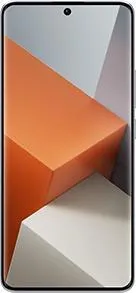
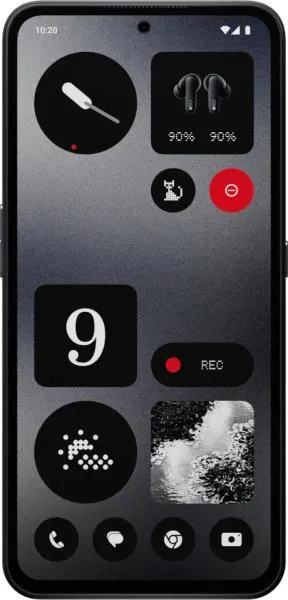
1. Specifications Comparison
| Feature | Xiaomi Redmi Note 13 Pro+ | Nothing CMF Phone 1 | Practical Impact |
|---|---|---|---|
| Design | |||
| Dimensions | 161.4 x 74.2 x 8.9 mm | 164 x 77 x 8.2 mm | The Nothing phone is slightly taller and wider, but thinner than the Redmi. The Redmi might feel slightly more compact in hand. |
| Weight | 199g | 197g | Negligible weight difference; both phones will feel similarly heavy in hand. |
| Build Materials | Not specified | Not specified | Cannot compare build quality and durability without this information. |
| Display | |||
| Size | 6.67" | 6.67" | Identical screen sizes. |
| Type | AMOLED, 68B colors, 120Hz, Dolby Vision, HDR10+ | AMOLED, 120Hz | Both offer smooth scrolling with 120Hz. The Redmi boasts Dolby Vision and HDR10+ support along with a wider color gamut (68B vs. unspecified for Nothing), potentially resulting in more vibrant and accurate colors. |
| Resolution | 1220 x 2712 (446 ppi) | 1080 x 2400 (395 ppi) | The Redmi has a significantly sharper display due to the higher resolution. Text and images will appear crisper. |
| Peak Brightness | 1800 nits | 2000 nits | While the Nothing phone has a slightly higher peak brightness, both should be easily visible in direct sunlight. |
| Performance | |||
| Chipset | Mediatek Dimensity 7200 Ultra (4 nm) | Mediatek Dimensity 7300 (4 nm) | Both use a 4nm process, suggesting similar power efficiency. Benchmarking scores would be needed for a definitive performance comparison, but the Dimensity 7300 is generally considered a slightly newer and more powerful chip. |
| CPU | Octa-core (2x2.8 GHz Cortex-A715 & 6x2.0 GHz Cortex-A510) | Octa-core (4x2.5 GHz Cortex-A78 & 4x2.0 GHz Cortex-A55) | The architectural differences in the CPUs make a direct comparison difficult. The Dimensity 7300 in the Nothing Phone is likely to offer better performance due to its newer Cortex-A78 cores. |
| GPU | Mali-G610 MC4 | Mali-G615 MC2 | The Mali-G615 is a newer GPU and should offer better gaming performance compared to the Mali-G610. |
| RAM/Storage | 8/256GB, 12/256GB, 12/512GB | 8/128GB, 8/256GB | The Redmi offers more RAM and storage options, providing flexibility for power users. |
| Battery | |||
| Capacity | 5000 mAh | 5000 mAh | Identical battery capacities suggest similar battery life, though real-world usage will vary depending on software optimization and user habits. |
| Charging Speed | Not specified for either phone | A crucial missing specification. Charging speed significantly impacts user experience. | |
| Other | |||
| OS | Android 13 | Android 14 | The Nothing phone ships with a newer Android version, potentially offering newer features and longer software support. |
| NFC | Yes | No | The Redmi supports NFC for contactless payments and other functionalities. This is a significant advantage for some users. |
| Video Capabilities | 4K@24/30fps (EIS), 1080p@30/60/120fps (EIS) | 4K@30fps (EIS), 1080p@30/60fps (EIS) | Both offer Electronic Image Stabilization (EIS) for smoother video recording. The Redmi offers more frame rate options, notably 120fps at 1080p for slow-motion video. |
2. Key Differences Analysis
Xiaomi Redmi Note 13 Pro+ Advantages:
- Sharper Display: Higher resolution and pixel density provide a noticeably crisper viewing experience.
- Wider Color Gamut & HDR Support: Dolby Vision and HDR10+ support coupled with the 68B color display will result in better multimedia consumption.
- More RAM and Storage Options: Provides flexibility for power users and future-proofing.
- NFC Support: Enables contactless payments and other convenient features.
- More Video Recording Options: Offers greater flexibility for video capture.
Nothing CMF Phone 1 Advantages:
- Slightly More Powerful Chipset & GPU: Potentially better performance in demanding tasks and gaming.
- Newer Android Version: Likely to offer longer software support and newer features.
- Slightly Brighter Display: Might be slightly more visible in extreme sunlight.
- Potentially More Affordable: Depending on regional pricing, the more limited storage options might translate to a lower entry price.
3. User Profiles & Recommendations
Xiaomi Redmi Note 13 Pro+: Suited for users who prioritize display quality, multimedia consumption, ample storage, and NFC functionality. Ideal for photography enthusiasts due to its wider range of video recording options.
Nothing CMF Phone 1: Suitable for users who prioritize performance, gaming, and a clean Android experience. Potentially a good option for budget-conscious users if priced aggressively.
4. Decision Framework
Key Questions for Buyers:
- How important is display quality? If sharpness and color accuracy are paramount, the Redmi is the clear winner.
- Is NFC a must-have? If you rely on contactless payments, the Redmi is the only option.
- What's your budget and storage needs? The Redmi offers more storage options, but the Nothing phone might have a lower entry price.
Scenario-Based Recommendations:
- Heavy multimedia consumer: Redmi Note 13 Pro+
- Gamer on a budget: Nothing CMF Phone 1 (pending confirmation of price)
- User who needs NFC for payments: Redmi Note 13 Pro+
My Choice: Xiaomi Redmi Note 13 Pro+
While the Nothing Phone 1 might offer slightly better performance, the Redmi Note 13 Pro+ provides a significantly better display, crucial features like NFC, more versatile video recording, and greater flexibility with RAM and storage options. The sharper display and wider color gamut are significant factors for me, as I prioritize multimedia consumption. The inclusion of NFC is also essential for my daily use. While we lack information on charging speeds and build quality, the currently available information points to the Redmi Note 13 Pro+ being the more well-rounded device for my needs.
