1. Specifications Comparison
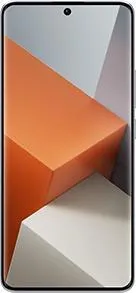
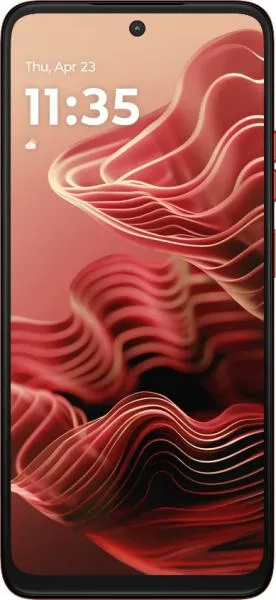
| Feature | Xiaomi Redmi Note 13 Pro+ | Motorola Moto G35 | Practical Impact |
|---|---|---|---|
| Design | |||
| Dimensions | 161.4 x 74.2 x 8.9 mm | 166.3 x 76 x 7.8 mm | The Moto G35 is slightly larger and wider, but thinner. May feel bulkier in hand but potentially easier to grip for some. |
| Weight | 199g | 188g | The Redmi is slightly heavier. Difference is minimal, unlikely to be noticeable in daily use. |
| Fingerprint Sensor | Under display | Side-mounted | Preference-dependent. Under-display feels more modern, side-mounted potentially faster and more reliable. |
| Display | |||
| Display Type | AMOLED, 68B colors, 120Hz, Dolby Vision, HDR10+ | IPS LCD, 120Hz, HDR10 | Redmi offers superior contrast, deeper blacks, and richer colors due to AMOLED. Higher peak brightness (1800 vs 1000 nits) ensures better visibility outdoors. Dolby Vision and HDR10+ provide better HDR content experience. |
| Size | 6.67" | 6.72" | Negligible size difference. |
| Resolution | 1220 x 2712 (446 ppi) | 1080 x 2400 (392 ppi) | Redmi has a sharper display with significantly higher pixel density, resulting in clearer text and images. |
| Refresh Rate | 120Hz | 120Hz | Both offer smooth scrolling and animations. |
| Performance | |||
| Chipset | Mediatek Dimensity 7200 Ultra (4 nm) | Unisoc T760 (6 nm) | Dimensity 7200 Ultra is generally considered more powerful, leading to better performance in demanding tasks and gaming. |
| CPU | Octa-core (2x2.8 GHz Cortex-A715 & 6x2.0 GHz Cortex-A510) | Octa-core (1x2.2 GHz Cortex-A76 & 3x Cortex-A76 & 4x Cortex-A55) | Redmi likely offers better multi-core performance due to faster core configuration. |
| GPU | Mali-G610 MC4 | Mali-G57 | Redmi's GPU should deliver smoother gaming and faster graphics rendering. |
| RAM/Storage | 8GB/512GB, 12GB/256GB, 12GB/512GB | 8GB/128GB | Redmi offers more RAM and storage options for better multitasking and larger file storage. |
| Camera | |||
| Video Capabilities | 4K@24/30fps (EIS), 1080p@30/60/120fps (EIS) | 4K@30fps, 1080p@30fps | Redmi offers more video recording options, including higher frame rates and Electronic Image Stabilization (EIS) at various resolutions. Detailed camera specifications are missing for proper comparison. |
| Battery | |||
| Capacity | 5000 mAh | 5000 mAh | Similar battery capacity. Real-world battery life depends on usage and optimization. |
| Software | |||
| OS | Android 13 | Android 14 | Moto G35 comes with a newer Android version out of the box. Long-term software support information is missing for both. |
2. Key Differences Analysis
Xiaomi Redmi Note 13 Pro+ Advantages:
- Superior Display: AMOLED with higher resolution, brightness, and HDR support.
- More Powerful Performance: Dimensity 7200 Ultra chipset and faster CPU/GPU.
- More RAM and Storage options: Better multitasking and ample storage.
- More Versatile Video Recording: Higher resolutions and frame rates with EIS.
Motorola Moto G35 Advantages:
- Lighter and Thinner: Slightly more portable.
- Newer Android Version: Android 14 out of the box.
- Potentially Lower Price: Given the lower specs, it might be priced more aggressively.
Trade-offs:
- The Redmi's superior display and performance come at the cost of potentially higher price and slightly more weight.
- The Moto G35's lower price might sacrifice performance and display quality.
3. User Profiles & Recommendations
Redmi Note 13 Pro+: Users who prioritize display quality, performance, gaming, and versatile camera features. Suitable for content consumption, mobile photography/videography, and demanding tasks.
Moto G35: Users on a tighter budget who prioritize a lightweight phone with a large screen and the latest Android version. Suitable for basic tasks, social media, web browsing, and casual gaming.
4. Decision Framework
Key Questions:
- What is your budget?
- What are your primary smartphone usage patterns? (e.g., gaming, photography, social media)
- Which features are most important to you? (e.g., display quality, performance, battery life)
Scenario-Based Recommendations:
- Heavy User: If you're a power user who needs top-notch performance and a stunning display, the Redmi Note 13 Pro+ is the better choice.
- Budget-Conscious User: If you're on a tight budget and need a reliable phone for basic tasks, the Moto G35 could be a good option.
My Choice: Xiaomi Redmi Note 13 Pro+
While the Motorola Moto G35 might offer a newer Android version and potentially lower price, the Xiaomi Redmi Note 13 Pro+ is the clear winner for me. The significantly superior display (AMOLED, higher resolution, brightness, HDR support) and the powerful Dimensity 7200 Ultra chipset offering better performance for gaming and demanding tasks are crucial factors. The versatile camera capabilities and ample RAM/Storage options further solidify its position. While slightly heavier, the difference is negligible for the substantial benefits gained. The slightly older Android version is less concerning given Xiaomi's track record of software updates (though this information isn't provided). Ultimately, the Redmi provides a significantly enhanced user experience in areas I prioritize.
