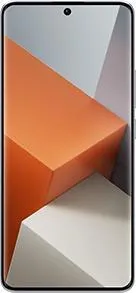
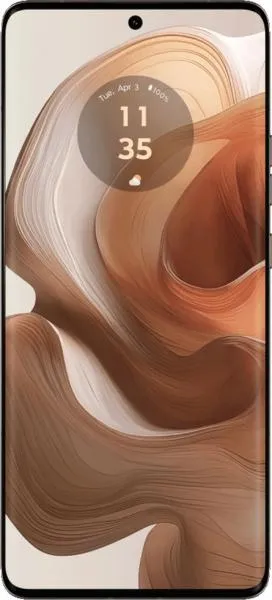
1. Specifications Comparison
| Feature | Xiaomi Redmi Note 13 Pro+ | Motorola Edge 50 Ultra | Practical Impact |
|---|---|---|---|
| Design | |||
| Dimensions | 161.4 x 74.2 x 8.9 mm | 161.1 x 72.4 x 8.6 mm | Motorola is slightly smaller and thinner, potentially improving one-handed use. |
| Weight | 199g | 197g | Negligible weight difference. |
| Build Materials | Not specified | Not specified | Cannot compare build quality and durability without this information. |
| Display | |||
| Size | 6.67" | 6.7" | Virtually identical screen sizes. |
| Type | AMOLED, 68B colors | P-OLED, 1B colors | Both offer excellent color accuracy and deep blacks. The difference in color depth (68B vs 1B) is unlikely to be noticeable in real-world usage. |
| Resolution | 1220 x 2712 | 1220 x 2712 | Identical resolution, resulting in sharp visuals on both. |
| Refresh Rate | 120Hz | 144Hz | Motorola offers a smoother scrolling and gaming experience due to the higher refresh rate. |
| Peak Brightness | 1800 nits | 2500 nits | Motorola's significantly higher peak brightness ensures better visibility in direct sunlight. |
| Performance | |||
| Chipset | Mediatek Dimensity 7200 Ultra | Qualcomm Snapdragon 8s Gen 3 | Snapdragon 8s Gen 3 generally offers superior performance in demanding tasks and gaming compared to Dimensity 7200 Ultra. |
| CPU | Octa-core (2x2.8 GHz Cortex-A715 & 6x2.0 GHz Cortex-A510) | Octa-core (1x3.0 GHz Cortex-X4 & 4x2.8 GHz Cortex-A720 & 3x2.0 GHz Cortex-A520) | Snapdragon's more powerful core architecture provides better multi-core performance. |
| GPU | Mali-G610 MC4 | Adreno 735 | Adreno 735 offers significantly better graphics performance for gaming and visually intensive applications. |
| RAM | 8GB/12GB | 16GB | More RAM in Motorola allows for smoother multitasking and better handling of demanding applications. |
| Storage | 256GB/512GB | 512GB | Both offer ample storage; Xiaomi provides a lower storage tier option. |
| Battery | |||
| Capacity | 5000 mAh | 4500 mAh | Xiaomi offers a larger battery capacity, potentially leading to longer battery life. |
| Charging Speed | Not specified | Not specified | Cannot compare charging speeds without specific data. |
| Software | |||
| OS | Android 13 | Android 14 | Motorola comes with a newer Android version out of the box, offering potential feature and security advantages. |
| Camera | |||
| Video Capabilities | 4K@30fps, 1080p@120fps | Up to 4K@60fps, 1080p@960fps | Motorola offers superior video recording capabilities with higher frame rates and slow-motion options. |
| Other Camera Specs | Not specified for both | Not specified for both | Detailed camera comparisons (sensor size, aperture, etc.) are not possible without more information. |
2. Key Differences Analysis
Motorola Edge 50 Ultra Advantages:
- Superior Performance: Snapdragon 8s Gen 3, Adreno 735 GPU, and 16GB RAM provide a significant performance advantage for demanding tasks and gaming.
- Smoother Display: 144Hz refresh rate delivers a noticeably smoother user experience.
- Brighter Display: 2500 nits peak brightness ensures excellent outdoor visibility.
- Better Video Recording: More versatile video recording options with higher frame rates and slow-motion capabilities.
- Newer Software: Ships with Android 14, potentially offering newer features and longer software support.
- Faster Data Transfer: USB 3.1 Gen 2 offers considerably faster data transfer speeds compared to USB 2.0.
Xiaomi Redmi Note 13 Pro+ Advantages:
- Potentially Longer Battery Life: Larger 5000 mAh battery capacity.
- More Storage Options: Offers configurations with lower storage (256GB) and RAM (8GB), potentially lowering the entry price.
- Wider Color Selection: More color options available.
3. User Profiles & Recommendations
Motorola Edge 50 Ultra: Ideal for users who prioritize performance, a smooth and bright display, and advanced video recording capabilities. Suitable for gamers, power users, and content creators.
Xiaomi Redmi Note 13 Pro+: Suitable for users seeking potentially longer battery life and a more affordable option within the "medium price" range. Good for everyday tasks, media consumption, and casual gaming.
4. Decision Framework
Key Questions for Buyers:
- What is your budget? While both are "medium price," specific pricing may differ.
- What are your primary use cases? Gaming, content creation, or everyday tasks?
- How important is battery life versus performance?
Scenario-Based Recommendations:
- Prioritize Performance: Choose the Motorola Edge 50 Ultra.
- Maximize Battery Life on a Budget: Choose the Xiaomi Redmi Note 13 Pro+.
- Balanced Needs: Consider specific pricing and availability; the Xiaomi might offer better value if the price difference is significant.
My Choice: Motorola Edge 50 Ultra
While lacking some specifics like camera sensor details and charging speeds for both phones, the Motorola Edge 50 Ultra presents a compelling package based on the available information. Its superior performance due to the Snapdragon 8s Gen 3, smoother 144Hz display, brighter screen for outdoor use, and more advanced video recording capabilities make it a clear winner for my needs. The newer Android version and faster USB standard further solidify its advantage. Although the Xiaomi Redmi Note 13 Pro+ offers a larger battery, the performance difference and other advantages of the Motorola outweigh this single benefit for me. I prioritize a smooth and responsive user experience, especially for gaming and multitasking, which the Motorola clearly delivers.
