1. Specifications Comparison
| Feature | Xiaomi Redmi Note 13 Pro+ | Honor X7b | Practical Impact | |
|---|---|---|---|---|
| Design | ||||
| Dimensions (mm) | 161.4 x 74.2 x 8.9 | 166.7 x 76.5 x 8.2 | The Redmi is slightly smaller and thinner. The Honor is slightly wider but less deep. | |
| Weight (g) | 199 | 199 | Both phones weigh the same. | |
| Fingerprint Sensor | Under display | Side-mounted | Preference-based, under-display is often perceived as more modern, side-mounted can be quicker to access. | |
| Display | ||||
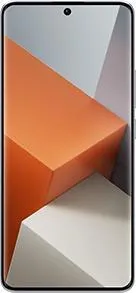
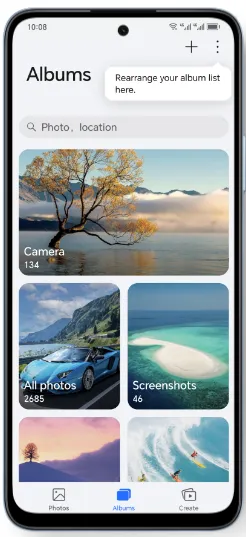
| Display Type | AMOLED, 68B colors, 120Hz, Dolby Vision, HDR10+ | IPS LCD, 90Hz | The Redmi's AMOLED display offers significantly better contrast, richer colors (68B vs likely 16M on the Honor), smoother scrolling (120Hz), and HDR support for compatible content. | |
| Resolution | 1220 x 2712 | 1080 x 2412 | The Redmi has a sharper display with a higher pixel density (446 ppi vs 389 ppi), resulting in clearer text and images. | |
| Peak Brightness | 1800 nits | 850 nits | The Redmi's display will be much brighter and more visible in direct sunlight. | |
| Performance | ||||
| Chipset | Mediatek Dimensity 7200 Ultra (4 nm) | Qualcomm Snapdragon 680 4G (6 nm) | The Dimensity 7200 Ultra is a significantly more powerful chipset, offering better performance in demanding tasks and gaming. | |
| CPU | Octa-core (2x2.8 GHz Cortex-A715 & 6x2.0 GHz Cortex-A510) | Octa-core (4x2.4 GHz Kryo 265 Gold & 4x1.9 GHz Kryo 265 Silver) | The Redmi's CPU architecture and clock speeds suggest a substantial performance advantage. | |
| GPU | Mali-G610 MC4 | Adreno 610 | The Redmi's GPU is more powerful, resulting in smoother gaming and faster graphics rendering. | |
| RAM/Storage | 8/512GB, 12/512GB, 12/256GB | 6/256GB, 8/128GB | The Redmi offers more RAM and storage options, catering to power users and those needing ample space. | |
| Camera | ||||
| Video Capabilities | 4K@24/30fps (EIS), 1080p@30/60/120fps (EIS) | 1080p@30fps | The Redmi offers significantly better video recording capabilities with higher resolution (4K) and frame rates, including slow-motion at 120fps. No camera sensor details are provided for comparison. | |
| Battery | ||||
| Capacity (mAh) | 5000 | 5330 | The Honor has a slightly larger battery capacity, potentially offering slightly longer battery life. However, real-world usage will depend on other factors like display and chipset efficiency. | No fast charging information is available for comparison. |
2. Key Differences Analysis
Redmi Note 13 Pro+ Advantages:
- Significantly superior display: AMOLED with higher resolution, refresh rate, brightness, and HDR support. This translates to a vastly improved visual experience.
- Much more powerful performance: The Dimensity 7200 Ultra outperforms the Snapdragon 680 in all aspects, making the Redmi suitable for demanding tasks and gaming.
- Superior video recording: 4K recording and higher frame rates offer more flexibility and quality.
Honor X7b Advantages:
- Slightly larger battery: Potentially longer battery life, but real-world usage will vary.
- Potentially lower price: While both are in the "medium price" range, the Honor might be positioned at the lower end.
Trade-offs:
- The Redmi's superior performance and display might come at the cost of slightly reduced battery life compared to the Honor, despite having a smaller battery.
3. User Profiles & Recommendations
Redmi Note 13 Pro+: Users who prioritize performance, a high-quality display, and advanced features like high refresh rate and HDR. Suitable for mobile gamers, content creators, and those who consume a lot of media.
Honor X7b: Users on a tighter budget who prioritize basic functionality and long battery life. Suitable for casual users who primarily use their phones for communication, social media, and light browsing.
4. Decision Framework
Key Questions:
- What is your budget? While both are mid-range, the Honor might be more affordable.
- What are your primary phone usage patterns? Gamers and heavy users will benefit from the Redmi's performance, while casual users might find the Honor sufficient.
- How important is display quality? The Redmi's AMOLED display is a major differentiator.
My Choice: Xiaomi Redmi Note 13 Pro+
While battery capacity is slightly smaller, the Xiaomi Redmi Note 13 Pro+ is the clear winner for me. The significantly superior display, powerful performance, and advanced features like better video recording capabilities outweigh the minor battery difference. The Dimensity 7200 Ultra provides future-proofing and a smooth user experience, even with demanding applications. The vibrant AMOLED display with 120Hz refresh rate will be a joy to use daily. In the mid-range market, these performance and display advantages are crucial differentiators that greatly enhance the overall user experience. I prioritize these aspects over a slightly larger battery capacity.
