1. Specifications Comparison
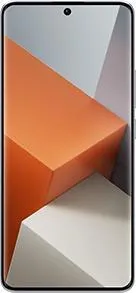
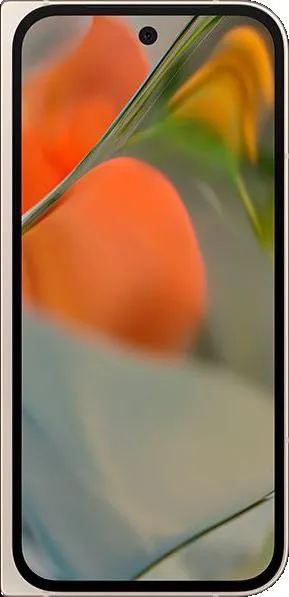
| Feature | Xiaomi Redmi Note 13 Pro+ | Google Pixel 9 Pro Fold | Practical Impact |
|---|---|---|---|
| Design | |||
| Dimensions | 161.4 x 74.2 x 8.9 mm | 155.2 x 150.2 x 5.1 mm | Pixel Fold is significantly wider and taller when unfolded, but thinner when folded, making pocketability a trade-off. Redmi is more traditional smartphone sized. |
| Weight | 199g | 257g | Redmi is noticeably lighter, reducing hand fatigue during extended use. Pixel Fold's weight is expected for a foldable. |
| Foldable | No | Yes | Pixel Fold offers a larger screen real estate and unique form factor for multitasking and media consumption. |
| Display | |||
| Size | 6.67 inches | 8 inches (unfolded) | Pixel Fold provides a tablet-like experience when unfolded, beneficial for productivity and entertainment. |
| Type | AMOLED, 120Hz | Foldable LTPO OLED, 120Hz | Both offer smooth scrolling and animations. LTPO on Pixel Fold can dynamically adjust refresh rate for power saving. |
| Peak Brightness | 1800 nits | 2700 nits | Pixel Fold offers superior outdoor visibility in bright sunlight. |
| Resolution | 1220 x 2712 | 2076 x 2152 | Pixel Fold has a higher resolution when unfolded, leading to sharper images and text. |
| Performance | |||
| Chipset | Mediatek Dimensity 7200 Ultra (4nm) | Google Tensor G4 (4nm) | Both are powerful chips, but Tensor G4 is likely optimized for AI and machine learning tasks, enhancing Pixel Fold's specific features. |
| CPU | Octa-core (2x2.8 GHz Cortex-A715 & 6x2.0 GHz Cortex-A510) | Octa-core (1x3.1 GHz Cortex-X4 & 3x2.6 GHz Cortex-A720 & 4x1.92 GHz Cortex-A520) | Tensor G4 likely offers better single-core performance, important for demanding applications. |
| RAM | 8/12GB | 16GB | Pixel Fold's larger RAM allows for smoother multitasking and handling more demanding applications. |
| Battery | |||
| Capacity | 5000 mAh | 4650 mAh | Redmi likely offers longer battery life due to larger capacity and less demanding display when comparing standard usage. Foldable displays generally consume more power. |
| Other | |||
| OS | Android 13 | Android 14 | Pixel Fold comes with the latest Android version and guaranteed longer updates directly from Google. |
| Price Range | Medium | High | Redmi offers significantly better value for its price, while Pixel Fold commands a premium for its foldable technology. |
| Storage | 256/512 GB | 512GB | Redmi offers more storage configuration flexibility. |
2. Key Differences Analysis
Xiaomi Redmi Note 13 Pro+ Advantages:
- Price: Significantly more affordable.
- Battery Life: Potentially longer battery life due to larger capacity and standard display.
- Lighter Weight: More comfortable for extended use.
Google Pixel 9 Pro Fold Advantages:
- Foldable Display: Offers a larger screen and unique user experience for multitasking and media consumption.
- More Powerful Processor: Tensor G4 likely offers better performance, especially in AI-driven tasks.
- Latest Software and Updates: Ships with Android 14 and benefits from longer software support directly from Google.
- Brighter Display: Better visibility outdoors.
- More RAM: Smoother multitasking and performance with demanding apps.
Trade-offs:
- Price vs. Features: Pixel Fold's advanced features come at a significantly higher price.
- Portability vs. Screen Size: Pixel Fold's foldable design sacrifices portability for a larger screen.
- Battery Life vs. Performance: Pixel Fold's powerful processor and large display may drain the battery faster.
3. User Profiles & Recommendations
Xiaomi Redmi Note 13 Pro+: Ideal for budget-conscious users seeking a well-rounded smartphone with excellent battery life and a great display. Suitable for everyday tasks like browsing, social media, and light gaming.
Google Pixel 9 Pro Fold: Best suited for power users and early adopters who value cutting-edge technology and are willing to pay a premium for the foldable form factor and its unique capabilities. Ideal for multitasking, media consumption, and showcasing innovative technology.
4. Decision Framework
Key Questions for Buyers:
- Budget: What is your budget for a smartphone?
- Form Factor: Do you prioritize a traditional smartphone or a foldable device?
- Usage: What are your primary smartphone use cases (e.g., browsing, gaming, multitasking, media consumption)?
Scenario-Based Recommendations:
- Limited Budget, Everyday Use: Redmi Note 13 Pro+
- Power User, Multitasking Focus: Pixel 9 Pro Fold
- Early Adopter, Latest Technology: Pixel 9 Pro Fold
- Value Seeker, Long Battery Life: Redmi Note 13 Pro+
My Choice: Xiaomi Redmi Note 13 Pro+
While the Pixel 9 Pro Fold is undeniably innovative, the Xiaomi Redmi Note 13 Pro+ offers exceptional value for its price. As someone who prioritizes practicality, battery life, and affordability, the Redmi's compelling combination of features outweighs the Pixel Fold's novelty. The Redmi offers a bright, smooth display, a powerful enough processor for everyday tasks, and potentially significantly longer battery life – all at a fraction of the cost. The weight difference is also substantial, and I prefer a lighter phone. While I appreciate the advancements in foldable technology, the current price premium and potential compromises in battery life and portability make the Redmi a more sensible choice for my needs.
