
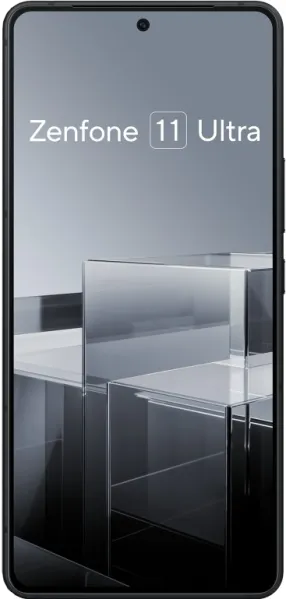
1. Specifications Comparison
| Feature | Xiaomi Redmi Note 13 Pro+ | Asus Zenfone 11 Ultra | Practical Impact |
|---|---|---|---|
| Design | |||
| Dimensions | 161.4 x 74.2 x 8.9mm | 163.8 x 76.8 x 8.9mm | Zenfone 11 Ultra is slightly larger and potentially less comfortable for one-handed use. |
| Weight | 199g | 224g | Redmi Note 13 Pro+ is noticeably lighter, reducing hand fatigue during extended use. |
| Display | |||
| Size | 6.67" | 6.78" | Negligible difference in screen real estate. |
| Type | AMOLED, 120Hz | LTPO AMOLED, 144Hz | Both offer vibrant colors and smooth scrolling. Zenfone's LTPO panel allows for more granular refresh rate control, potentially saving battery. Its higher peak brightness (2500 nits vs 1800 nits) ensures better visibility in direct sunlight. |
| Resolution | 1220 x 2712 (446 ppi) | 1080 x 2400 (388 ppi) | Redmi Note 13 Pro+ has a sharper display due to higher pixel density, resulting in crisper text and images. |
| Performance | |||
| Chipset | Mediatek Dimensity 7200 Ultra | Qualcomm Snapdragon 8 Gen 3 | Snapdragon 8 Gen 3 is generally considered a more powerful chipset, offering better performance in demanding tasks and gaming. |
| CPU | Octa-core (2x2.8 GHz Cortex-A715 & 6x2.0 GHz Cortex-A510) | Octa-core (1x3.3 GHz Cortex-X4 & 3x3.2 GHz Cortex-A720 & 2x3.0 GHz Cortex-A720 & 2x2.3 GHz Cortex-A520) | Snapdragon 8 Gen 3's superior core configuration provides a significant performance advantage. |
| GPU | Mali-G610 MC4 | Adreno 750 | Adreno 750 offers significantly better graphics performance for gaming and graphically intensive applications. |
| RAM/Storage | 8/512GB, 12/256GB, 12/512GB | 16/512GB | Zenfone 11 Ultra offers more RAM in its configuration, enabling smoother multitasking and better handling of demanding applications. |
| Battery | |||
| Capacity | 5000 mAh | 5500 mAh | Zenfone 11 Ultra has a larger battery, potentially offering longer battery life. However, real-world usage will depend on various factors including display settings and usage patterns. |
| Camera | Not enough information provided | Not enough information provided | Insufficient data to compare camera performance. |
2. Key Differences Analysis
Redmi Note 13 Pro+ Advantages:
- Lighter and More Compact: Easier to handle and carry.
- Sharper Display: Provides a more detailed viewing experience.
- Potentially More Affordable: While both are mid-range, the Redmi Note series is typically priced more aggressively.
Zenfone 11 Ultra Advantages:
- Significantly More Powerful: Snapdragon 8 Gen 3 offers a substantial performance advantage for demanding tasks and gaming.
- Larger Battery: Potentially longer battery life.
- Higher Refresh Rate and Peak Brightness: Smoother scrolling and better outdoor visibility.
- More RAM: Improved multitasking and performance with demanding applications.
3. User Profiles & Recommendations
Redmi Note 13 Pro+: Suitable for users who prioritize a lightweight and compact phone with a sharp display for everyday tasks like browsing, social media, and light gaming. Good for budget-conscious buyers.
Zenfone 11 Ultra: Ideal for power users who demand top-tier performance for gaming, content creation, and heavy multitasking. Excellent for users who prioritize a bright, smooth display and long battery life.
4. Decision Framework
Key Questions:
- What is your budget? The Redmi Note 13 Pro+ is likely to be more affordable.
- What are your primary use cases? Gaming and heavy multitasking favor the Zenfone 11 Ultra, while everyday tasks are well-handled by the Redmi Note 13 Pro+.
- Do you prioritize portability and comfort? The Redmi Note 13 Pro+ is lighter and more compact.
My Choice: Asus Zenfone 11 Ultra
While the Redmi Note 13 Pro+ offers a compelling combination of features, I would choose the Asus Zenfone 11 Ultra. The significantly more powerful Snapdragon 8 Gen 3, coupled with the higher RAM, ensures a future-proof device capable of handling demanding tasks and games for years to come. The brighter, smoother display and larger battery are also compelling advantages. Although it's slightly larger and heavier, the performance benefits and superior display outweigh those minor drawbacks for me. I prioritize long-term performance and a premium user experience, making the Zenfone 11 Ultra the better choice in my opinion. The lack of camera specifications makes a fully informed decision difficult, but based on the available data, the Zenfone 11 Ultra is the clear winner for my needs.
