1. Specifications Comparison
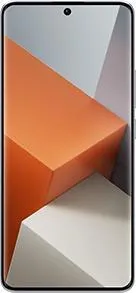
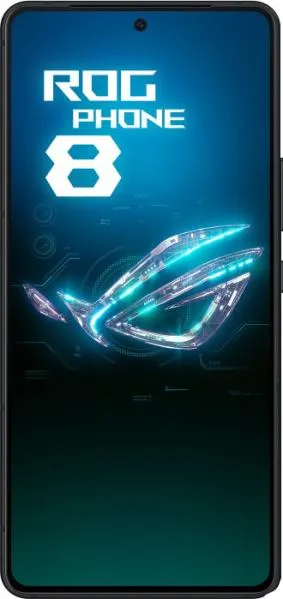
| Feature | Xiaomi Redmi Note 13 Pro+ | Asus ROG Phone 8 | Practical Impact |
|---|---|---|---|
| Design | |||
| Dimensions | 161.4 x 74.2 x 8.9 mm | 163.8 x 76.8 x 8.9 mm | ROG Phone 8 is slightly larger and wider. |
| Weight | 199g | 225g | Redmi is noticeably lighter, reducing hand fatigue during extended use. |
| Display | |||
| Size | 6.67" | 6.78" | Negligible difference in screen real estate. |
| Type | AMOLED, 120Hz | LTPO AMOLED, 165Hz | ROG Phone 8's LTPO panel offers better power efficiency with variable refresh rate; 165Hz provides smoother animations, especially noticeable in gaming. |
| Resolution | 1220 x 2712 (446 ppi) | 1080 x 2400 (388 ppi) | Redmi has a sharper display due to higher pixel density; ROG prioritizes smoothness. |
| Peak Brightness | 1800 nits | 2500 nits | ROG Phone 8 will be significantly more visible in bright sunlight. |
| Performance | |||
| Chipset | Mediatek Dimensity 7200 Ultra | Qualcomm Snapdragon 8 Gen 3 | Snapdragon 8 Gen 3 generally offers superior performance in benchmarks and demanding tasks. |
| CPU | Octa-core (2x2.8 GHz A715 & 6x2.0 GHz A510) | Octa-core (1x3.3 GHz X4 & 3x3.2 GHz A720 & 4x2.0 GHz A520) | Snapdragon 8 Gen 3's architecture and clock speeds suggest a significant performance advantage, particularly in single-core tasks. |
| GPU | Mali-G610 MC4 | Adreno 750 | Adreno 750 generally provides better gaming performance and graphics rendering. |
| RAM/Storage | 8/256GB, 12/256GB, 12/512GB | 16/256GB | ROG Phone 8 offers more RAM in its base configuration, beneficial for multitasking and demanding applications. More storage options on the Redmi. |
| Battery | |||
| Capacity | 5000 mAh | 6000 mAh | ROG Phone 8 has a larger battery, likely resulting in longer battery life. |
| Camera | |||
| Video Capabilities | Up to 4K@30fps | Up to 8K@24fps | ROG Phone 8 offers higher resolution video recording. Detailed camera sensor specifications are missing for a complete comparison. |
2. Key Differences Analysis
Xiaomi Redmi Note 13 Pro+ Advantages:
- Sharper Display: Higher pixel density provides a crisper image.
- Lighter and More Compact: Easier to handle and carry.
- More Affordable: Typically priced lower than gaming phones.
- More Storage Options: Offers configurations with up to 512GB of storage.
Asus ROG Phone 8 Advantages:
- Superior Performance: Snapdragon 8 Gen 3 and Adreno 750 offer significantly better processing and graphical power.
- Higher Refresh Rate Display: Smoother visuals for gaming and everyday use.
- Brighter Display: Enhanced outdoor visibility.
- Larger Battery: Potentially longer battery life.
- Higher Resolution Video Recording: Captures more detail in videos.
3. User Profiles & Recommendations
Xiaomi Redmi Note 13 Pro+: Suited for users prioritizing a sharp display, lightweight design, and affordability. Ideal for everyday tasks, media consumption, and casual gaming. Strong contender for budget-conscious users.
Asus ROG Phone 8: Designed for mobile gamers and power users who demand top-tier performance, a high refresh rate display, and extended battery life. Excellent for demanding tasks, content creation, and extended gaming sessions.
4. Decision Framework
Key Questions for Buyers:
- What is your budget? The Redmi Note 13 Pro+ is likely significantly more affordable.
- What are your primary use cases? Gaming and demanding tasks favor the ROG Phone 8; everyday use and media consumption lean towards the Redmi.
- What features do you prioritize? Sharpness and portability vs. raw performance and high refresh rate.
Scenario-Based Recommendations:
- Casual User: Redmi Note 13 Pro+ offers excellent value for everyday use.
- Hardcore Gamer: ROG Phone 8 is built for demanding mobile gaming.
- Budget-Conscious Buyer: Redmi Note 13 Pro+ provides a strong balance of features and affordability.
My Choice: Asus ROG Phone 8
While the Redmi Note 13 Pro+ offers a compelling package for its price, I would choose the Asus ROG Phone 8. The significantly more powerful Snapdragon 8 Gen 3, coupled with the higher refresh rate and brighter display, makes it a clear winner for my needs. I prioritize a smooth and responsive user experience, especially for gaming and demanding applications, and the ROG Phone 8 delivers in those areas. The larger battery also aligns with my preference for longer usage sessions without needing to recharge frequently. While the extra weight is a consideration, the performance benefits outweigh this drawback for me. The higher resolution video recording is a bonus for capturing memories. Ultimately, I am willing to pay a premium for the substantial performance upgrade and enhanced user experience offered by the ROG Phone 8.
