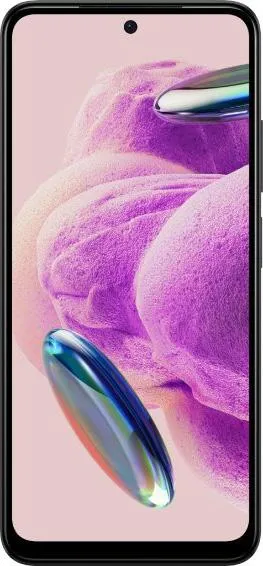

1. Specifications Comparison
| Feature | Xiaomi Redmi Note 12S | Xiaomi 14 | Practical Impact |
|---|---|---|---|
| Design | |||
| Dimensions (mm) | 159.9 x 73.9 x 8.1 | 152.8 x 71.5 x 8.2 | Xiaomi 14 is slightly smaller and more compact. |
| Weight (g) | 176 | 188 | Xiaomi 14 is a bit heavier, potentially less comfortable for extended use. |
| Build | Not specified | Not specified | Build quality and materials cannot be compared without more information. |
| Display | |||
| Display Type | AMOLED, 90Hz | LTPO OLED, 120Hz | Xiaomi 14's LTPO OLED offers smoother scrolling and potentially better battery life due to variable refresh rate. Its higher peak brightness (3000 nits vs 1000 nits) ensures better visibility in direct sunlight. Xiaomi 14 supports HDR10+, Dolby Vision resulting in significantly better dynamic range and color accuracy for compatible content. |
| Display Size (inches) | 6.43 | 6.36 | Negligible difference in size. |
| Resolution | 1080 x 2400 | 1200 x 2670 | Xiaomi 14 has a sharper display with higher pixel density (460 ppi vs 409 ppi). |
| Performance | |||
| Chipset | Mediatek Helio G96 (12 nm) | Snapdragon 8 Gen 3 (4 nm) | Xiaomi 14 offers significantly faster performance due to a much more powerful processor and larger amount of RAM. This translates to smoother multitasking, faster app loading, and better gaming performance. |
| CPU | Octa-core (2x2.05 GHz Cortex-A76 & 6x2.0 GHz Cortex-A55) | Octa-core (1x3.3 GHz Cortex-X4 & 3x3.2 GHz Cortex-A720 & 2x3.0 GHz Cortex-A720 & 2x2.3 GHz Cortex-A520) | Xiaomi 14's CPU has a more modern architecture and higher clock speeds. |
| GPU | Mali-G57 MC2 | Adreno 750 | Xiaomi 14 has a much more capable GPU for demanding gaming and graphics tasks. |
| RAM | 6GB/8GB | 12GB | Xiaomi 14 offers significantly more RAM, allowing for better multitasking and smoother performance. |
| Camera | |||
| Main Camera | 108MP | 50MP | While the Redmi Note 12S boasts a higher megapixel count, the Xiaomi 14 utilizes a larger sensor (1/1.31\" vs 1/1.52\") with larger pixels (1.20µm vs 0.70µm) allowing for superior low-light performance and potentially better dynamic range. The Xiaomi 14 also features Optical Image Stabilization (OIS) for sharper images and videos. |
| Video Recording | 1080p@30fps | Up to 8K@24fps | Xiaomi 14 allows for much higher resolution video recording with more advanced features like HDR and EIS. |
| Battery | |||
| Capacity | 5000 mAh | 4610 mAh | Redmi Note 12S has a larger battery capacity, potentially offering longer battery life. However, real-world battery life depends on various factors including display, processor efficiency, and usage patterns. |
| Charging Speed | Not specified | Not specified | Charging speeds cannot be compared without more information. |
2. Key Differences Analysis
Xiaomi 14 Advantages:
- Significantly faster performance: Snapdragon 8 Gen 3 and 12GB RAM offer a substantial performance advantage for demanding tasks and gaming.
- Superior display: LTPO OLED with 120Hz, Dolby Vision, HDR10+, and higher peak brightness provides a smoother, more vibrant, and brighter viewing experience.
- More advanced camera system: While lower in megapixels, the larger sensor, OIS, and advanced video recording capabilities likely result in better overall image and video quality.
- Faster USB standard (3.2 vs 2.0): Allows for significantly faster data transfer speeds.
Xiaomi Redmi Note 12S Advantages:
- Potentially longer battery life: The larger 5000 mAh battery may provide longer usage time, though this depends on various factors.
- Lower price: The Redmi Note 12S is positioned in a lower price bracket.
3. User Profiles & Recommendations
Xiaomi 14: Ideal for users who prioritize performance, a high-quality display, and advanced camera features. Suitable for demanding tasks like gaming, video editing, and content creation.
Xiaomi Redmi Note 12S: Suitable for users who prioritize battery life and affordability over top-tier performance and features. Good for everyday tasks like browsing, social media, and casual photography.
4. Decision Framework
Key Questions for Buyers:
- What is your budget? The Xiaomi 14 is significantly more expensive.
- What are your primary use cases? Gaming, content creation, and demanding tasks benefit from the Xiaomi 14's performance. Everyday tasks can be easily handled by the Redmi Note 12S.
- Which features are most important to you? Prioritize display quality, camera features, or battery life based on your needs.
My Choice: Xiaomi 14
While the Redmi Note 12S offers a compelling price and potentially longer battery life, the Xiaomi 14's significant advantages in performance, display, and camera make it the clear winner for me. The Snapdragon 8 Gen 3, coupled with 12GB of RAM, ensures a future-proof device capable of handling any task. The superior LTPO OLED display with HDR10+ and Dolby Vision dramatically enhances the viewing experience. Although the battery is slightly smaller, the superior efficiency of the Snapdragon 8 Gen 3 could potentially offset this difference in real-world usage. Finally, the advanced camera system with OIS and higher quality video recording is a crucial factor for me. I prioritize a smooth, responsive, and high-quality user experience, and the Xiaomi 14 delivers on all fronts. I am willing to pay the premium for the significant upgrade in overall quality and performance.
