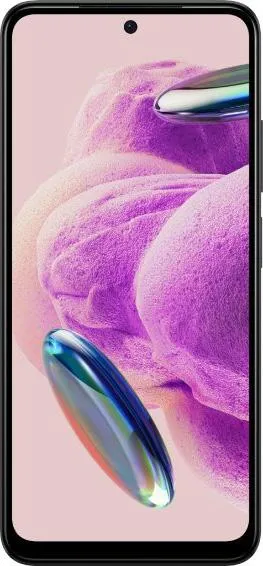
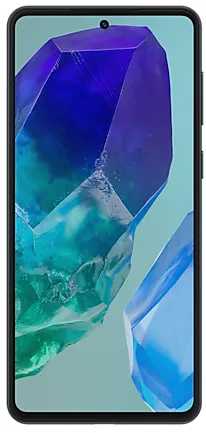
1. Specifications Comparison
| Feature | Xiaomi Redmi Note 12S | Samsung Galaxy M55 | Practical Impact |
|---|---|---|---|
| Design | |||
| Dimensions (mm) | 159.9 x 73.9 x 8.1 | 163.9 x 76.5 x 7.8 | M55 slightly larger, may feel less compact |
| Weight (g) | 176 | 180 | Negligible weight difference |
| Fingerprint Sensor | Side-mounted | Under-display | Preference-based, both reliable |
| Display | |||
| Size (inches) | 6.43 | 6.7 | M55 offers a larger viewing area for media consumption |
| Resolution (px) | 1080 x 2400 | 1080 x 2400 | Identical resolution, sharpness comparable on both |
| Type | AMOLED, 90Hz | Super AMOLED+, 120Hz | M55's 120Hz offers smoother animations and scrolling |
| Peak Brightness (nits) | 1000 | Unspecified | Cannot compare peak brightness due to missing M55 data |
| Performance | |||
| Chipset | Mediatek Helio G96 (12nm) | Qualcomm Snapdragon 7 Gen 1 (4nm) | M55 significantly more powerful, better for demanding tasks and gaming |
| CPU | Octa-core (2x2.05 GHz A76 & 6x2.0 GHz A55) | Octa-core (1x2.4 GHz A710 & 3x2.36 GHz A710 & 4x1.8 GHz A510) | M55's newer CPU architecture provides superior performance and efficiency |
| GPU | Mali-G57 MC2 | Adreno 644 | M55's GPU offers noticeably better gaming and graphics performance |
| RAM (GB) | 6/8 | 8 | M55's 8GB RAM ensures smoother multitasking |
| Camera | |||
| Main Camera (MP) | 108 | 50 | 12S boasts higher resolution, but M55 may offer better image quality due to processing |
| Selfie Camera (MP) | 16 | 50 | M55 has a much higher resolution selfie camera |
| Video Recording | 1080p@30fps | 4K@30fps, 1080p@60fps | M55 supports higher resolution and frame rate video recording, including stabilization |
| Battery | |||
| Capacity (mAh) | 5000 | 5000 | Identical battery capacity |
| Charging Speed | Unspecified | Unspecified | Cannot compare charging speeds due to missing data |
2. Key Differences Analysis
Xiaomi Redmi Note 12S Advantages:
- Potentially Superior Main Camera Resolution: The 108MP sensor may offer more detail in ideal lighting conditions.
- Price: Likely more affordable given the older chipset.
Samsung Galaxy M55 Advantages:
- Significantly Better Performance: The Snapdragon 7 Gen 1 offers a substantial performance advantage for demanding tasks and gaming.
- Smoother Display: The 120Hz refresh rate delivers a more fluid user experience.
- More Advanced Camera Features: Supports 4K video recording and potentially better image processing despite lower resolution.
- Newer OS: Ships with Android 14, likely offering longer software support.
- Higher Resolution Selfie Camera: 50MP allows for detailed self-portraits.
3. User Profiles & Recommendations
Xiaomi Redmi Note 12S:
- Budget-conscious users: Prioritize affordability over top-tier performance.
- Casual users: Primarily use their phone for basic tasks like calling, texting, social media, and light photography.
Samsung Galaxy M55:
- Performance-focused users: Value smooth multitasking, demanding gaming, and a fluid user experience.
- Content creators: Need high-quality video recording capabilities.
- Users who prioritize long-term software updates: Android 14 offers a longer support window.
4. Decision Framework
Key Questions for Buyers:
- What is your budget? The Redmi Note 12S is likely more affordable.
- What are your primary phone usage patterns? Casual users might find the 12S sufficient, while power users would prefer the M55.
- How important are camera features and video quality? The M55 offers more advanced video capabilities.
My Choice: Samsung Galaxy M55
While the Redmi Note 12S might be a tempting option for budget-conscious buyers, the Samsung Galaxy M55 offers a significantly superior overall package. The Snapdragon 7 Gen 1 provides a major performance advantage, ensuring a smooth and responsive experience for years to come. The 120Hz display enhances daily interactions, and the more advanced camera features, including 4K video recording, cater to a wider range of users. While we lack specific pricing information, the long-term value proposition of the M55, with its superior performance and newer OS, makes it the more compelling choice for me. The performance difference is crucial for a long-lasting phone, and I value the smoother display and better video recording capabilities.
