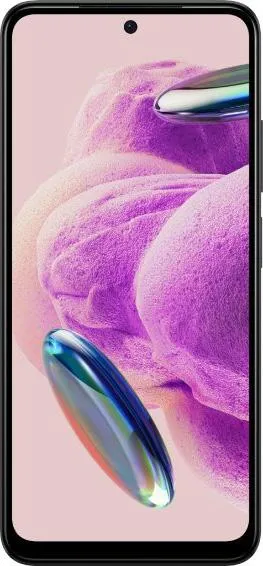
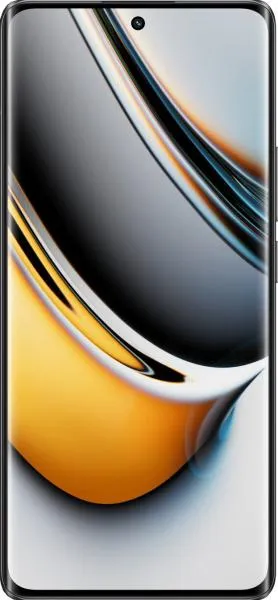
1. Specifications Comparison
| Feature | Xiaomi Redmi Note 12S | Realme 11 Pro | Practical Impact |
|---|---|---|---|
| Design | |||
| Dimensions (mm) | 159.9 x 73.9 x 8.1 | 161.7 x 73.9 x 8.2 | Realme 11 Pro is slightly taller and thicker. Negligible difference in daily use. |
| Weight (g) | 176 | 183 | Redmi Note 12S is slightly lighter, but the difference is minimal. |
| Display | |||
| Size (inches) | 6.43 | 6.7 | Realme 11 Pro offers a larger screen for more immersive media consumption and multitasking. |
| Resolution (px) | 1080 x 2400 | 1080 x 2412 | Virtually identical pixel density, resulting in similar sharpness. |
| Type | AMOLED | AMOLED | Both offer vibrant colors and deep blacks. |
| Refresh Rate (Hz) | 90 | 120 | Realme 11 Pro's 120Hz display will feel smoother during scrolling and gaming. |
| Peak Brightness | 1000 nits | 950 nits | Redmi Note 12S might be slightly brighter in direct sunlight, but both are sufficiently bright for outdoor use. |
| Performance | |||
| Chipset | Helio G96 | Dimensity 7050 | Dimensity 7050 offers better CPU and GPU performance, leading to faster app loading, smoother multitasking, and better gaming. |
| CPU | 2x2.05 GHz A76, 6x2.0 GHz A55 | 2x2.6 GHz A78, 6x2.0 GHz A55 | Realme 11 Pro has more powerful cores (A78 vs A76) resulting in significantly improved performance. |
| GPU | Mali-G57 MC2 | Mali-G68 MC4 | Realme 11 Pro's GPU provides a noticeable improvement in graphics performance for demanding games. |
| RAM | 6GB/8GB | 8GB/12GB | Realme offers higher RAM options, beneficial for heavy multitasking and future-proofing. |
| Camera | |||
| Main Camera (MP) | 108 | 100 | Comparable resolution, but Realme 11 Pro has a larger sensor (1/1.8" vs 1/1.52") potentially capturing more light in low-light conditions. |
| Video | 1080p@30fps | 4K@30fps, 1080p@120fps | Realme 11 Pro offers significantly better video recording capabilities with 4K resolution and higher frame rates including slow-motion. |
| Battery | |||
| Capacity (mAh) | 5000 | 5000 | Identical battery capacity. Real-world battery life will depend on usage patterns and software optimization. |
2. Key Differences Analysis
Realme 11 Pro Advantages:
- Significantly better performance: The Dimensity 7050 chipset with more powerful CPU and GPU provides a smoother and faster overall experience.
- Superior display: 120Hz refresh rate for smoother scrolling and gaming. HDR10+ support for better video quality.
- Enhanced camera capabilities: 4K video recording, higher frame rate slow-motion video, larger main camera sensor.
- More RAM: Options for 8GB or 12GB for better multitasking.
- 5G Connectivity: Offers broader and faster network connectivity.
Xiaomi Redmi Note 12S Advantages:
- Potentially lower price: Depending on the specific variant and retailer.
- Slightly lighter: Minimal difference in hand.
- Potentially brighter display: Though both are bright enough for outdoor use.
3. User Profiles & Recommendations
Realme 11 Pro: Users who prioritize performance, a smooth display, advanced camera features (especially video), and future-proofing. Ideal for gamers, content creators, and those who demand a fast and responsive phone.
Xiaomi Redmi Note 12S: Budget-conscious users who prioritize basic tasks like calling, messaging, social media, and casual photography. Suitable for users who don't demand high performance or advanced features.
4. Decision Framework
Key Questions:
- What is your budget? The Redmi Note 12S is likely to be more affordable.
- What are your primary use cases? Gaming and content creation benefit from the Realme 11 Pro's superior performance and camera.
- How important is future-proofing? The Realme 11 Pro's better specs and 5G make it more future-proof.
Scenario-Based Recommendations:
- Tight budget, basic usage: Redmi Note 12S
- Balanced performance and price: Realme 11 Pro (8GB RAM variant)
- Best performance and future-proofing: Realme 11 Pro (12GB RAM variant)
My Choice: Realme 11 Pro
While the Redmi Note 12S offers a decent package for its price, the Realme 11 Pro's superior performance, smoother display (120Hz), better camera (specifically video capabilities), and 5G connectivity make it a much more compelling device for a slightly higher price. The performance difference stemming from the Dimensity 7050 vs. the Helio G96 is substantial and will impact daily usage significantly. The future-proofing aspect with 5G and larger RAM options also leans heavily in favor of the Realme 11 Pro. Even though I don't always need the absolute best performance, I value a smooth and responsive experience which the 120Hz display and the powerful chipset of the Realme 11 Pro guarantee.
