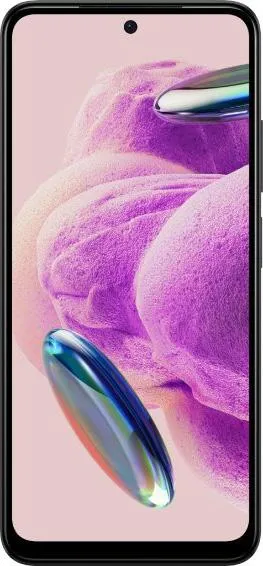

1. Specifications Comparison
| Feature | Xiaomi Redmi Note 12S | OnePlus 12R | Practical Impact |
|---|---|---|---|
| Design | |||
| Dimensions (mm) | 159.9 x 73.9 x 8.1 | 163.3 x 75.3 x 8.8 | The OnePlus 12R is slightly larger and thicker. |
| Weight (g) | 176 | 207 | The Redmi Note 12S is noticeably lighter, making it more comfortable for extended use. |
| Build | Unspecified | Unspecified | Build materials impact durability and premium feel; information lacking here limits comparison. |
| Display | |||
| Size (inches) | 6.43 | 6.78 | The OnePlus 12R has a significantly larger display, better for media consumption and multitasking. |
| Resolution | 1080 x 2400 | 1264 x 2780 | The OnePlus 12R offers a sharper, more detailed display due to higher resolution and pixel density. |
| Type | AMOLED, 90Hz | LTPO4 AMOLED, 120Hz | The OnePlus 12R benefits from LTPO technology for variable refresh rate, optimizing battery life. Its 120Hz refresh rate provides smoother animations and scrolling compared to the 90Hz on the Redmi Note 12S. |
| Peak Brightness | 1000 nits | 4500 nits | The OnePlus 12R's vastly superior peak brightness ensures excellent outdoor visibility. |
| HDR | No Dolby Vision | HDR10+, Dolby Vision | OnePlus 12R supports wider HDR standards for enhanced video quality. |
| Performance | |||
| Chipset | Mediatek Helio G96 (12nm) | Qualcomm Snapdragon 8 Gen 2 (4nm) | The Snapdragon 8 Gen 2 in the OnePlus 12R is significantly more powerful, resulting in much faster performance, smoother multitasking, and better gaming capabilities. |
| CPU | Octa-core (2x2.05 GHz Cortex-A76 & 6x2.0 GHz Cortex-A55) | Octa-core (1x3.2 GHz Cortex-X3 & 2x2.8 GHz Cortex-A715 & 2x2.8 GHz Cortex-A710 & 3x2.0 GHz Cortex-A510) | The OnePlus 12R boasts a more modern and powerful CPU architecture. |
| GPU | Mali-G57 MC2 | Adreno 740 | The Adreno 740 provides a substantial leap in graphics performance for demanding games and applications. |
| RAM | 6GB/8GB | 16GB | The OnePlus 12R offers significantly more RAM, enabling smoother multitasking and preventing app closures in the background. |
| Camera | |||
| Main Camera | 108MP, f/1.8 | 50MP, f/1.8, OIS | While the Redmi Note 12S has a higher megapixel count, the OnePlus 12R likely produces better overall image quality due to its larger sensor, OIS for stable shots, and superior processing capabilities from the Snapdragon chip. |
| Video Recording | 1080p@30fps | Up to 4K@60fps with OIS | OnePlus 12R allows for much higher resolution and smoother video recording with optical stabilization. |
| Battery | |||
| Capacity | 5000 mAh | 5500 mAh | The OnePlus 12R has a slightly larger battery capacity. |
| Charging Speed | Unspecified | Unspecified | Charging speed significantly impacts usability; this missing information hinders comparison. |
2. Key Differences Analysis
OnePlus 12R Advantages:
- Significantly more powerful: The Snapdragon 8 Gen 2 chip offers a substantial performance advantage.
- Superior Display: Larger, higher resolution, faster refresh rate (120Hz with LTPO), brighter, and supports HDR10+ and Dolby Vision.
- Better Camera System: Expected to have superior image quality due to OIS, larger sensor size and advanced image processing.
- More RAM: 16GB ensures smooth multitasking.
- More advanced software support: Will receive more OS updates.
Xiaomi Redmi Note 12S Advantages:
- Lighter and more compact: Easier to hold and carry.
- Lower price: Offers a more budget-friendly option.
3. User Profiles & Recommendations
OnePlus 12R: Users who prioritize performance, a high-quality display, a capable camera, and future-proof software updates. Ideal for demanding tasks like gaming, video editing, and multitasking.
Xiaomi Redmi Note 12S: Budget-conscious users who prioritize a lightweight and compact design for everyday tasks like browsing, social media, and casual photography.
4. Decision Framework
Key Questions for Buyers:
- What is your budget? The Redmi Note 12S is significantly more affordable.
- What are your primary use cases? Demanding tasks benefit from the OnePlus 12R's power, while basic tasks can be handled by the Redmi Note 12S.
- How important are display quality and camera performance? The OnePlus 12R significantly outperforms the Redmi Note 12S in these areas.
My Choice: OnePlus 12R
While the Redmi Note 12S offers a compelling value proposition for budget-conscious buyers, the OnePlus 12R is the superior device overall. The significant performance difference due to the Snapdragon 8 Gen 2, combined with the vastly improved display, camera, and longer software support, justifies the higher price for me. I prioritize a smooth and responsive user experience, excellent media consumption, and having a phone that will remain fast and relevant for several years. The OnePlus 12R delivers on these fronts, making it the better long-term investment. The slightly larger size and weight are minor trade-offs for the significant gains in performance and features.
