1. Specifications Comparison
| Feature | Xiaomi Redmi Note 12S | Motorola Moto G35 | Practical Impact |
|---|---|---|---|
| Design | |||
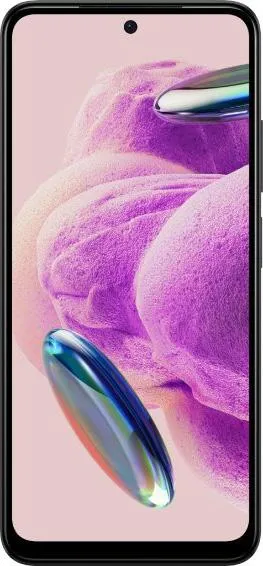
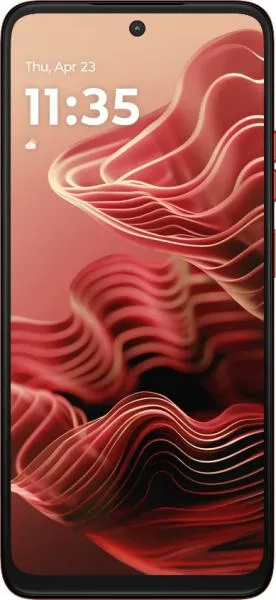
| Dimensions (mm) | 159.9 x 73.9 x 8.1 | 166.3 x 76 x 7.8 | Moto G35 is slightly larger and heavier. Redmi Note 12S might feel more compact in hand. |
| Weight (g) | 176 | 188 | Redmi Note 12S is noticeably lighter, reducing hand fatigue during extended use. |
| Display | |||
| Display Type | AMOLED, 90Hz | IPS LCD, 120Hz | Redmi Note 12S offers deeper blacks and more vibrant colors due to AMOLED. Moto G35's 120Hz provides smoother scrolling and animations. |
| Display Size (inches) | 6.43 | 6.72 | Moto G35 has a larger screen, better for media consumption but potentially less pocketable. |
| Resolution | 1080 x 2400 | 1080 x 2400 | Similar sharpness due to comparable pixel density despite the size difference. |
| Peak Brightness (nits) | 1000 | 1000 | Comparable peak brightness, ensuring good outdoor visibility for both. |
| HDR | No HDR10/Dolby Vision specified | HDR10 | Moto G35 supports HDR10 for enhanced video dynamic range on compatible content. |
| Performance | |||
| Chipset | Mediatek Helio G96 (12nm) | Unisoc T760 (6nm) | Unisoc T760, being a newer generation and built on a smaller process node, is likely more power-efficient and offers better performance than the Helio G96. |
| CPU | Octa-core (2x2.05 GHz Cortex-A76 & 6x2.0 GHz Cortex-A55) | Octa-core (1x2.2 GHz Cortex-A76 & 3x Cortex-A76 & 4x Cortex-A55) | Moto G35 likely has a performance advantage due to its faster prime core and more powerful Cortex-A76 cores. |
| GPU | Mali-G57 MC2 | Mali-G57 | While both use the Mali-G57, specific core count for Moto G35's GPU is missing, making a direct comparison difficult. |
| RAM | 6GB/8GB | 4GB/8GB | Both offer configurations with ample RAM for multitasking, but higher RAM variants provide more headroom for demanding apps. |
| Camera | |||
| Main Camera | 108MP, f/1.8 | 50MP, f/1.8 | Redmi Note 12S boasts higher resolution, potentially capturing more detail. However, sensor size and other factors also impact image quality, making a conclusive comparison based solely on megapixels unreliable. |
| Video Recording | 1080p@30fps | 4K@30fps, 1080p@30fps | Moto G35 significantly outperforms in video recording with 4K capability. |
| Battery | |||
| Capacity | 5000 mAh | 5000 mAh | Similar battery capacity suggests comparable battery life, although actual usage will depend on other factors like display type and processor efficiency. |
2. Key Differences Analysis
Xiaomi Redmi Note 12S Advantages:
- AMOLED Display: Offers more vibrant colors and deeper blacks.
- Potentially Lower Price: Depending on the specific RAM/storage configuration, it might be more affordable.
- Lighter and More Compact: Easier to handle and carry.
- Higher Resolution Main Camera: Potentially more detail in photos.
Motorola Moto G35 Advantages:
- Higher Refresh Rate Display: Smoother scrolling and animations.
- More Powerful Processor: Likely faster and more efficient.
- 4K Video Recording: Significant advantage for video content creators.
- More Recent OS: Android 14 offers newer features and potentially longer software support.
- 5G Connectivity: Future-proofed for faster mobile data speeds.
3. User Profiles & Recommendations
Xiaomi Redmi Note 12S: Suitable for users who prioritize display quality, a compact form factor, and affordability. Best for everyday tasks, social media, and casual photography.
Motorola Moto G35: Ideal for users who value performance, smoother display refresh rate, future-proof connectivity with 5G, and 4K video recording. Suitable for gaming, multitasking, and content creation.
4. Decision Framework
Key Questions for Buyers:
- What is your budget? Compare prices for similar storage configurations.
- What are your primary use cases? (e.g., gaming, photography, social media)
- Do you prioritize display quality (AMOLED) or smoothness (120Hz)?
Scenario-Based Recommendations:
- Tight Budget, Casual User: Redmi Note 12S
- Performance Focused, Gamer: Moto G35
- Content Creator, Future-Proofing: Moto G35
My Choice: Motorola Moto G35
While the Redmi Note 12S has an appealing AMOLED display and lower price, the Moto G35's superior performance, 5G connectivity, 4K video recording, and newer Android version make it a more compelling overall package for long-term use. The slightly larger size is a trade-off I'm willing to make for the significant performance and feature advantages. The more efficient processor on the Moto G35 likely offsets the battery life differences stemming from the 120Hz display. In the long run, the Moto G35 feels like a more future-proof choice.
