1. Specifications Comparison
| Feature | Xiaomi Redmi Note 12S | Motorola Edge 50 Ultra | Practical Impact |
|---|---|---|---|
| Design | |||
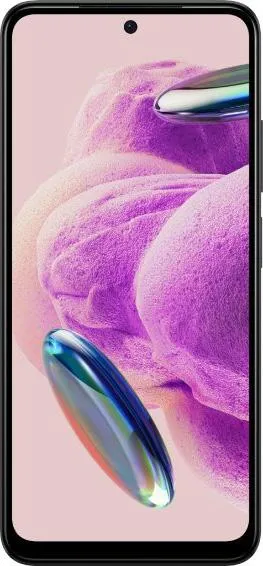
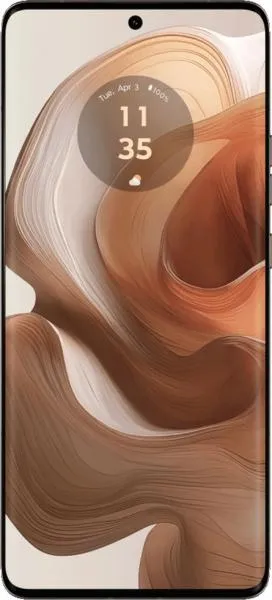
| Dimensions (mm) | 159.9 x 73.9 x 8.1 | 161.1 x 72.4 x 8.6 | Edge 50 Ultra slightly taller and thicker |
| Weight (g) | 176 | 197 | Redmi Note 12S noticeably lighter |
| Build Material | Not specified | Not specified | Cannot compare build quality and durability |
| Display | |||
| Display Type | AMOLED, 90Hz | P-OLED, 144Hz | Edge 50 Ultra offers smoother scrolling and animations with higher refresh rate, potentially better color accuracy with 1B colors. |
| Display Size (inches) | 6.43 | 6.7 | Edge 50 Ultra has a larger screen, providing more immersive viewing. |
| Resolution | 1080 x 2400 | 1220 x 2712 | Edge 50 Ultra has a sharper display (higher pixel density) |
| Peak Brightness (nits) | 1000 | 2500 | Edge 50 Ultra significantly brighter, crucial for outdoor visibility |
| HDR | No Dolby Vision, HDR10/10+ status unclear | HDR10+ | Edge 50 Ultra offers better dynamic range in supported content |
| Performance | |||
| Chipset | Mediatek Helio G96 (12nm) | Snapdragon 8s Gen 3 (4nm) | Edge 50 Ultra significantly more powerful, enabling smoother multitasking, demanding gaming, and faster app loading. More efficient due to smaller node size. |
| CPU | Octa-core (2x2.05 GHz A76 & 6x2.0 GHz A55) | Octa-core (1x3.0 GHz X4 & 4x2.8 GHz A720 & 3x2.0 GHz A520) | Edge 50 Ultra has a more modern and powerful CPU architecture. |
| GPU | Mali-G57 MC2 | Adreno 735 | Edge 50 Ultra boasts a much stronger GPU, leading to superior gaming performance. |
| RAM | 6/8GB | 12/16GB | Edge 50 Ultra offers more RAM, improving multitasking and preventing app closures. |
| Camera | |||
| Main Camera | 108MP | 50MP | Redmi Note 12S has higher megapixel count, but sensor size and other factors are crucial for image quality. Edge 50 Ultra utilizes pixel binning for potentially better low-light performance. |
| Ultrawide | 8MP | 50MP | Edge 50 Ultra has a significantly better ultrawide camera. |
| Telephoto | No | 64MP with 3x Optical Zoom | Edge 50 Ultra offers optical zoom for better zoomed images. |
| Video Recording | 1080p@30fps | Up to 4K@60fps, 1080p@960fps | Edge 50 Ultra offers superior video recording capabilities with higher resolution and frame rates, including slow-motion. |
| Battery | |||
| Capacity | 5000 mAh | 4500 mAh | Redmi Note 12S has a larger battery capacity, potentially offering longer battery life. However, Edge 50 Ultra's more efficient chipset might offset this difference. |
| Charging Speed | Not specified | Not specified | Cannot compare charging speeds. |
2. Key Differences Analysis
Redmi Note 12S Advantages:
- Potentially longer battery life: Larger 5000mAh battery.
- Lighter weight: Noticeably lighter for comfortable one-handed use.
- Lower price: Expected to be significantly cheaper.
Edge 50 Ultra Advantages:
- Significantly more powerful: Superior chipset, CPU, GPU, and RAM for a smoother and faster overall experience.
- Higher quality display: Smoother 144Hz refresh rate, brighter, HDR10+ support, and higher resolution.
- More versatile camera system: Includes a telephoto lens with optical zoom, a high-resolution ultrawide, and advanced video recording capabilities.
- More future-proof: Newer Android version with longer update commitment (up to Android 17).
3. User Profiles & Recommendations
Redmi Note 12S: Budget-conscious users prioritizing battery life and basic functionality. Suitable for:
- Casual social media users
- Light gaming
- Web browsing
- Calling and texting
Edge 50 Ultra: Users seeking a premium experience with top-tier performance, display, and camera. Ideal for:
- Demanding mobile gamers
- Content creators
- Power users who multitask heavily
- Photography enthusiasts
4. Decision Framework
Key Questions for Buyers:
- What is your budget? The Redmi Note 12S is a budget-friendly option, while the Edge 50 Ultra is a premium device.
- What are your primary use cases? Consider whether you need the extra performance, camera capabilities, and display quality of the Edge 50 Ultra.
- How important is battery life to you? The Redmi Note 12S likely offers longer battery life, but the Edge 50 Ultra's efficiency could be comparable.
My Choice: Motorola Edge 50 Ultra
While the Redmi Note 12S provides excellent value for its price, the Motorola Edge 50 Ultra offers a significantly superior overall experience. Its powerful hardware, stunning display, and versatile camera system make it a more compelling device for my needs. I prioritize performance, a smooth user experience, and a good camera, and I'm willing to pay more for these features. The future-proofing offered by longer OS updates is also a significant factor. While the battery capacity is slightly smaller, the more efficient chipset on the Edge 50 Ultra might result in comparable battery life in real-world usage. The added weight isn't a major concern for me.
