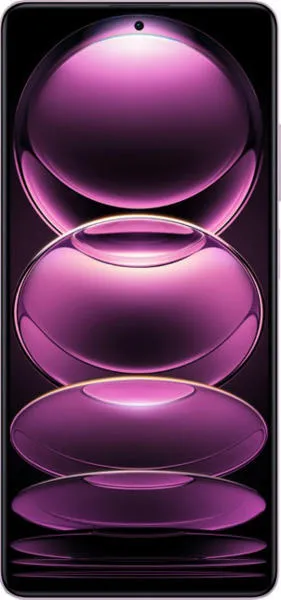
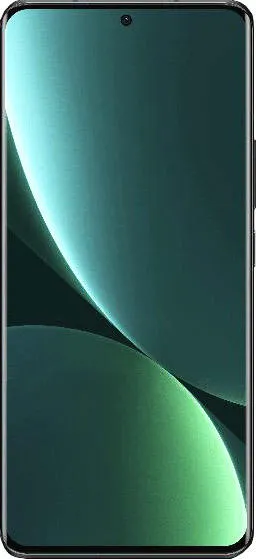
Let's dive into a comparative analysis of the Xiaomi Redmi Note 12 Pro and the Xiaomi 13 Pro. These two phones, while sharing a brand lineage, cater to distinct user needs and budgets.
1. Specifications Breakdown
| Feature | Xiaomi Redmi Note 12 Pro | Xiaomi 13 Pro | Real-World Implications |
|---|---|---|---|
| Design | |||
| Dimensions (mm) | 163 x 76 x 8 | 162.9 x 74.6 x 8.4 | 13 Pro slightly smaller, potentially more pocketable. Negligible difference in daily use. |
| Weight (g) | 187 | 210 | 13 Pro noticeably heavier; might impact one-handed use for extended periods. |
| Build Materials | Glass front/back, plastic frame | Gorilla Glass Victus | 13 Pro offers more premium and durable build. |
| Display | |||
| Size (inches) | 6.67 | 6.73 | Virtually identical; both offer immersive viewing experiences. |
| Resolution (px) | 1080 x 2400 | 1440 x 3200 | 13 Pro significantly sharper due to higher resolution; noticeable in image clarity and text crispness. |
| Type | AMOLED | LTPO AMOLED | Both offer vibrant colors and deep blacks. 13 Pro's LTPO panel enables dynamic refresh rate, potentially saving battery. |
| Refresh Rate (Hz) | 120 | 120 | Both offer smooth scrolling and animations. |
| Peak Brightness | 900 nits | 1900 nits | 13 Pro significantly brighter; enhances outdoor visibility. |
| Performance | |||
| Chipset | Mediatek Dimensity 1080 | Snapdragon 8 Gen 2 | 13 Pro vastly more powerful; expect significantly faster performance in demanding tasks and gaming. |
| CPU | Octa-core (2x2.6 GHz A78 & 6x2.0 GHz A55) | Octa-core (1x3.2 GHz X3 & ...) | 13 Pro features newer, more powerful CPU architecture. |
| GPU | Mali-G68 MC4 | Adreno 740 | 13 Pro's GPU provides a substantial leap in graphics performance; crucial for gaming and graphically intensive applications. |
| RAM | 6/8/12GB | 8/12 GB | Both offer ample RAM for multitasking; 12GB option on both provides headroom for future-proofing. |
| Camera | |||
| Main Sensor | 50MP Sony IMX766 | 50MP Sony IMX989 | Both have high-resolution sensors. 13 Pro's larger sensor size (1-inch) captures more light, potentially resulting in better low-light photos. |
| Other Cameras | 8MP ultrawide, 2MP macro | 50MP ultrawide, 50MP telephoto | 13 Pro offers superior versatility with a high-resolution ultrawide and a dedicated telephoto lens for optical zoom. |
| Battery Life | |||
| Capacity (mAh) | 5000 | 4820 | Note 12 Pro has slightly larger battery capacity. However, real-world battery life depends on usage and optimization. |
2. Key Insights
- Performance: The Xiaomi 13 Pro is a clear winner in terms of raw performance, thanks to the Snapdragon 8 Gen 2. The Redmi Note 12 Pro offers respectable mid-range performance but can't compete with the flagship power of the 13 Pro.
- Display: Both phones offer excellent displays. However, the 13 Pro's higher resolution, LTPO technology, and significantly brighter panel make it superior for media consumption and outdoor use.
- Camera: While both phones boast a 50MP main sensor, the 13 Pro's larger sensor and superior lens system, along with its versatile secondary cameras, promise significantly better image quality, especially in challenging conditions.
- Value: The Redmi Note 12 Pro provides excellent value for its price, offering a well-rounded package for budget-conscious users. The 13 Pro commands a premium price but delivers a truly flagship experience.
3. User Profiles and Recommendations
- Redmi Note 12 Pro: Ideal for users seeking a capable, affordable phone for everyday tasks, social media, casual gaming, and decent photography.
- Xiaomi 13 Pro: Best suited for power users, mobile gamers, photography enthusiasts, and those who demand the best possible performance and features.
4. Buying Decision Framework
- What is your budget? If you're on a tight budget, the Redmi Note 12 Pro offers excellent value. If price is less of a concern, the 13 Pro is a top-tier device.
- What are your primary use cases? For everyday tasks and casual use, the Redmi Note 12 Pro is sufficient. For demanding tasks, gaming, and professional-grade photography, the 13 Pro excels.
- How important is future-proofing? The 13 Pro's superior hardware will likely age better, providing a smoother experience for a longer period.
My Choice: If I were choosing between these two, I would opt for the Xiaomi 13 Pro. While the Redmi Note 12 Pro offers excellent value, I prioritize performance, a top-tier camera system, and a future-proof device. The 13 Pro's Snapdragon 8 Gen 2, superior camera hardware with Leica lens, brighter LTPO display, and overall premium build are compelling features that justify the higher price for my needs. I often push my devices to their limits with multitasking, photography, and occasional gaming, and the 13 Pro is built to handle those demands with ease. The longer lifespan of a flagship device also aligns with my preference for keeping phones for an extended period.
