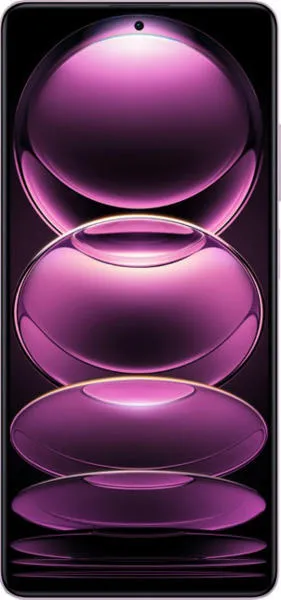
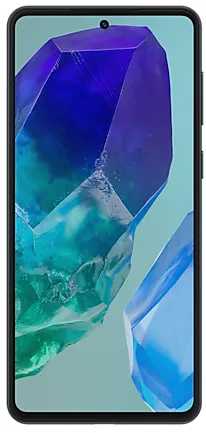
Xiaomi Redmi Note 12 Pro vs. Samsung Galaxy M55: A Detailed Comparison
Let's dive into a comprehensive comparison of the Xiaomi Redmi Note 12 Pro and the Samsung Galaxy M55, dissecting their specifications and uncovering what they truly offer in real-world usage.
1. Specifications Breakdown
| Feature | Xiaomi Redmi Note 12 Pro | Samsung Galaxy M55 | Real-World Implications |
|---|---|---|---|
| Design | |||
| Dimensions (mm) | 163 x 76 x 8 | 163.9 x 76.5 x 7.8 | M55 slightly taller and wider, both slim and pocketable. |
| Weight (g) | 187 | 180 | Negligible weight difference; both comfortable for extended use. |
| Build Materials | Not specified | Not specified | Build quality and durability remain unknown without further details. |
| Display | |||
| Display Type | AMOLED, 120Hz | Super AMOLED+, 120Hz | Both offer vibrant colors and smooth scrolling with high refresh rate. |
| Display Size (in) | 6.67 | 6.7 | Virtually identical screen sizes for immersive content consumption. |
| Resolution | 1080 x 2400 | 1080 x 2400 | Sharp and detailed visuals on both devices. |
| HDR | Dolby Vision, HDR10+ | (Not specified) | Redmi Note 12 Pro offers enhanced dynamic range for richer visuals. |
| Performance | |||
| Chipset | Dimensity 1080 (6nm) | Snapdragon 7 Gen 1 (4nm) | Snapdragon generally offers better performance and efficiency. |
| CPU | Octa-core (2x2.6 GHz A78 & 6x2.0 GHz A55) | Octa-core (1x2.4 GHz A710 & 3x2.36 GHz A710 & 4x1.8 GHz A510) | Snapdragon 7 Gen 1's architecture likely provides a performance edge. |
| RAM | 6/8/12GB | 8GB | More RAM options on Redmi, potentially better multitasking. |
| Camera | |||
| Main Camera | 50MP (Sony IMX766) | 50MP (ISOCELL) | Both offer high-resolution main sensors, image quality depends on processing. |
| Selfie Camera | 16MP | 50MP | Significantly higher resolution selfie camera on the Galaxy M55. |
| Video Recording | 4K@30fps, up to 960fps slow-mo | 4K@30fps | Redmi offers higher slow-motion capabilities. |
| Battery Life | |||
| Battery Capacity | 5000mAh | 5000mAh | Identical battery capacities, actual battery life depends on usage. |
| Charging | Not Specified | Not Specified | Charging speeds remain unknown without further information. |
| Software | |||
| OS | Android 12 | Android 14 | Galaxy M55 comes with a newer Android version out of the box. |
2. Key Insights
- Performance: The Samsung Galaxy M55, with its Snapdragon 7 Gen 1 processor built on a 4nm process, likely holds a performance advantage over the Redmi Note 12 Pro's Dimensity 1080. Expect smoother gaming and faster app loading on the M55.
- Camera: While both phones boast a 50MP main camera, the Samsung M55 features a remarkable 50MP selfie camera, a significant upgrade over the Redmi's 16MP. This makes the M55 a compelling choice for selfie enthusiasts and video callers. However, the Redmi Note 12 Pro boasts a higher frame rate for slow-motion video capture. The IMX766 sensor in the Redmi is also generally well-regarded. Ultimately, real-world image quality will depend on software processing.
- Display: Both offer excellent displays with vibrant colors and high refresh rates. The Redmi Note 12 Pro's support for Dolby Vision and HDR10+ gives it an edge in dynamic range and color accuracy for compatible content. Samsung's "Super AMOLED+" branding suggests potential advantages in brightness and color gamut, but without specific measurements, it's difficult to quantify.
- Software: The Galaxy M55 ships with Android 14, offering the latest features and security updates, while the Redmi Note 12 Pro launches with Android 12. Long-term software support will be a crucial factor to consider.
3. User Profiles and Recommendations
- Redmi Note 12 Pro: Best suited for budget-conscious users prioritizing a great display for media consumption, versatile camera features including high slow-motion frame rates, and ample RAM for multitasking.
- Samsung Galaxy M55: Ideal for users who demand smoother performance for gaming and demanding applications, and value a high-resolution selfie camera. The newer Android OS is also a plus for those who prioritize having the latest features.
4. Buying Decision Framework
- What's your budget? The Redmi Note 12 Pro is likely to be more affordable.
- Is top-tier performance a priority? If so, the Galaxy M55's Snapdragon 7 Gen 1 processor is the better choice.
- How important is the selfie camera? The M55's 50MP front camera is a clear winner in this category.
My Choice
Personally, I would lean towards the Samsung Galaxy M55. While the Redmi Note 12 Pro offers a compelling package, the M55's superior performance stemming from the Snapdragon 7 Gen 1 and more modern architecture, coupled with the significantly better selfie camera and newer Android version, makes it a more future-proof choice. The potential performance gains and longer software support outweigh the Redmi's advantages in HDR and slow-motion video for my personal needs. While pricing wasn't explicitly stated for comparable memory configurations, assuming a moderate price difference, the M55 represents a worthwhile investment for a more well-rounded and longer-lasting smartphone experience.
