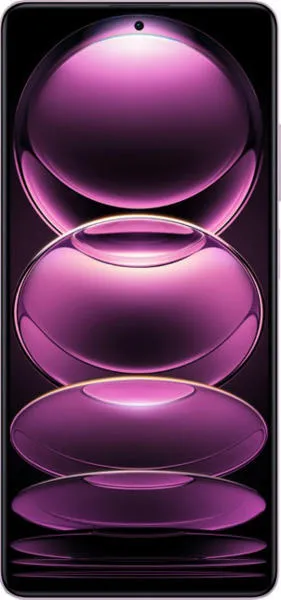
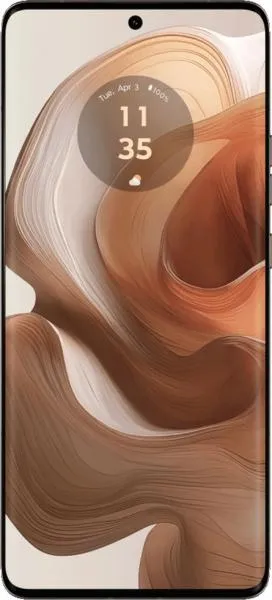
Xiaomi Redmi Note 12 Pro vs. Motorola Edge 50 Ultra: A Deep Dive
Let's dissect the Xiaomi Redmi Note 12 Pro and the Motorola Edge 50 Ultra, two compelling mid-range contenders, to see how they stack up in the real world.
1. Specifications Breakdown
| Feature | Xiaomi Redmi Note 12 Pro | Motorola Edge 50 Ultra | Real-World Implications |
|---|---|---|---|
| Design | |||
| Dimensions (mm) | 163 x 76 x 8 | 161.1 x 72.4 x 8.6 | Edge 50 Ultra slightly more compact |
| Weight (g) | 187 | 197 | Negligible difference in hand feel |
| Build Materials | Not specified | Not specified | Durability and premium feel unknown - further research needed. |
| Display | |||
| Type | AMOLED | pOLED | Both offer vibrant colors and deep blacks; pOLED potentially offers slightly better power efficiency |
| Size | 6.67" | 6.7" | Virtually identical screen real estate |
| Resolution | 1080 x 2400 | 1220 x 2712 | Edge 50 Ultra noticeably sharper due to higher pixel density |
| Refresh Rate | 120Hz | 144Hz | Edge 50 Ultra smoother for scrolling and gaming; difference may be subtle for some users |
| Performance | |||
| Chipset | Dimensity 1080 (6nm) | Snapdragon 8s Gen 3 (4nm) | Edge 50 Ultra significantly more powerful, enabling smoother multitasking and demanding gaming |
| CPU | Octa-core (2.6 GHz A78) | Octa-core (3.0 GHz X4) | Edge 50 Ultra offers superior processing speed and efficiency |
| GPU | Mali-G68 MC4 | Adreno 735 | Edge 50 Ultra delivers a substantial boost in graphics performance |
| RAM | 6/8/12GB | 12/16GB | Edge 50 Ultra offers more RAM for seamless multitasking |
| Camera | |||
| Main Sensor | 50MP (Sony IMX766) | 50MP (Omnivision OV50H) | Both offer high resolution; sensor performance requires deeper analysis based on image samples |
| Ultrawide | 8MP | 50MP | Edge 50 Ultra significantly better ultrawide resolution |
| Telephoto | None | 64MP | Edge 50 Ultra offers optical zoom for clearer distant shots |
| DxOMark Score | 102 | 146 | Edge 50 Ultra boasts significantly higher overall camera quality according to DxOMark |
| Battery | |||
| Capacity | 5000 mAh | 4500 mAh | Redmi Note 12 Pro has a larger battery capacity, potentially offering longer battery life |
2. Key Insights
- Performance: The Motorola Edge 50 Ultra's Snapdragon 8s Gen 3 chip delivers a considerable performance advantage over the Redmi Note 12 Pro's Dimensity 1080. This translates to smoother gaming, faster app loading, and more responsive multitasking.
- Display: While both phones offer excellent displays, the Edge 50 Ultra's higher resolution and refresh rate provide a slight edge in sharpness and fluidity.
- Camera: The Edge 50 Ultra clearly wins in the camera department, boasting a higher DxOMark score, a superior ultrawide lens, and a dedicated telephoto lens for optical zoom.
- Battery: The Redmi Note 12 Pro's larger battery might offer longer endurance, but the Edge 50 Ultra's more efficient chip could offset this difference. Real-world battery tests are needed for a definitive conclusion.
3. User Profiles and Recommendations
- Redmi Note 12 Pro: Best suited for budget-conscious users who prioritize battery life and a solid overall experience for everyday tasks like web browsing, social media, and casual photography.
- Motorola Edge 50 Ultra: Ideal for power users and mobile gamers who demand top-tier performance, a premium display, and a versatile camera system. It's a great choice for content creators and those who enjoy capturing high-quality photos and videos.
4. Buying Decision Framework
- What's your budget? The Redmi Note 12 Pro is significantly more affordable.
- What are your performance needs? For demanding tasks and gaming, the Edge 50 Ultra is the clear winner.
- How important is camera quality? The Edge 50 Ultra offers a significantly better camera system.
My Choice: The Motorola Edge 50 Ultra
While the Redmi Note 12 Pro is a solid device for its price, I would choose the Motorola Edge 50 Ultra. The significant jump in performance, the inclusion of a telephoto lens, the higher resolution display, and the overall superior camera system justify the price difference for me. As someone who values a smooth and responsive user experience, along with the capability to capture high-quality photos and videos, the Edge 50 Ultra aligns better with my needs. The slightly smaller battery is a minor trade-off considering the significant gains in other areas. However, I would conduct thorough battery tests once the device is available to validate real-world performance.
