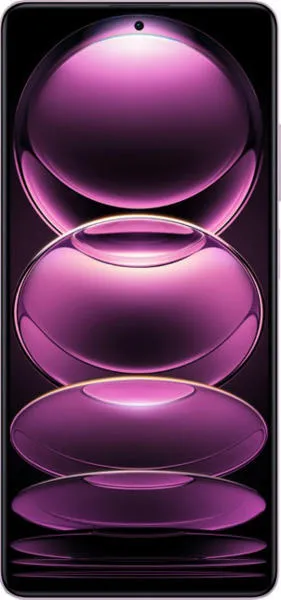
Xiaomi Redmi Note 12 Pro vs. Honor X7b: A Detailed Comparison
Let's dive into a head-to-head comparison of the Xiaomi Redmi Note 12 Pro and the Honor X7b, dissecting their specs and uncovering what they mean for you, the user.
1. Specifications Breakdown
| Feature | Xiaomi Redmi Note 12 Pro | Honor X7b | Real-World Implications |
|---|---|---|---|
| Design | |||
| Dimensions (mm) | 163 x 76 x 8 | 166.7 x 76.5 x 8.2 | Redmi is slightly more compact |
| Weight (g) | 187 | 199 | Redmi feels lighter in hand |
| Display | |||
| Type | AMOLED, 120Hz | IPS LCD, 90Hz | Redmi offers richer colors, deeper blacks, and smoother scrolling |
| Size (inches) | 6.67 | 6.8 | Honor has a slightly larger screen |
| Resolution | 1080 x 2400 | 1080 x 2412 | Virtually identical sharpness |
| HDR | Dolby Vision, HDR10+ | None | Redmi provides a significantly better HDR experience for compatible content |
| Performance | |||
| Chipset | Dimensity 1080 (6nm) | Snapdragon 680 4G (6nm) | Redmi offers noticeably better performance in demanding tasks and gaming |
| CPU | Octa-core (2x2.6 GHz A78 & 6x2.0 GHz A55) | Octa-core (4x2.4 GHz Kryo 265 & 4x1.9 GHz Kryo 265) | Redmi's CPU is more powerful |
| GPU | Mali-G68 MC4 | Adreno 610 | Redmi handles graphics-intensive applications more smoothly |
| RAM | 6/8/12GB | 6/8GB | Redmi offers a 12GB RAM option for even more demanding users |
| Camera | |||
| Main Camera | 50MP, Sony IMX766, OIS | 108MP | Redmi's main camera, despite lower resolution, likely produces better image quality due to a superior sensor and optical image stabilization |
| Video | 4K@30fps, 1080p@120fps | 1080p@30fps | Redmi offers much better video recording capabilities |
| Battery Life | |||
| Capacity | 5000 mAh | 5330 mAh | Honor has a slightly larger battery, but real-world battery life will depend on usage patterns and optimization |
| Other | |||
| OS | Android 12 (upgradable) | Android 13 | Honor ships with a newer Android version |
| NFC | Yes | Yes | Both support contactless payments |
2. Key Insights
The Redmi Note 12 Pro clearly excels in performance and display. The Dimensity 1080 chipset, coupled with a high refresh rate AMOLED screen, delivers a smoother, more responsive experience for gaming and multimedia consumption. The Sony IMX766 sensor with OIS in the main camera suggests superior image quality compared to the Honor X7b, especially in low light and video recording.
The Honor X7b, while boasting a larger battery and a higher resolution main camera sensor (on paper), lags in processing power and display quality. It positions itself as a more budget-friendly option, potentially sacrificing premium features for affordability. However, it does ship with a more recent Android version out of the box.
3. User Profiles and Recommendations
Redmi Note 12 Pro: Ideal for users who prioritize performance, a vibrant display, and superior camera quality. Gamers, multimedia enthusiasts, and those who demand a smooth, responsive user experience would appreciate this device.
Honor X7b: Suitable for budget-conscious users who primarily use their phones for basic tasks like calling, texting, browsing, and social media. Its larger battery may appeal to those who need extended battery life.
4. Buying Decision Framework
- What is your budget? The Honor X7b is generally more affordable.
- What are your primary phone usage patterns? For demanding tasks, choose the Redmi. For basic use, the Honor might suffice.
- Which features are most important to you? Prioritize display and performance? Redmi. Battery life and affordability? Honor.
My Choice: Xiaomi Redmi Note 12 Pro
If I were choosing between these two, I'd go for the Redmi Note 12 Pro. The superior AMOLED display, significantly better performance thanks to the Dimensity 1080, and the higher quality main camera with OIS are compelling advantages. While the Honor X7b offers a slightly larger battery, the real-world difference in battery life is unlikely to be substantial. I value a smooth, responsive user experience and excellent media consumption capabilities, which the Redmi Note 12 Pro delivers. The slightly higher price is justified by the noticeable upgrade in overall quality and performance. The inclusion of Dolby Vision and HDR10+ support further solidifies the Redmi's advantage for a more immersive multimedia experience. In the long run, the Redmi Note 12 Pro's powerful hardware will likely age better, providing a more enjoyable user experience over time.
