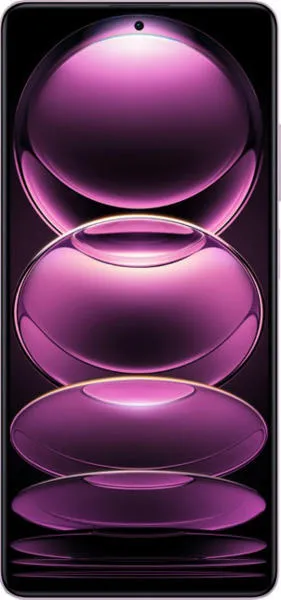
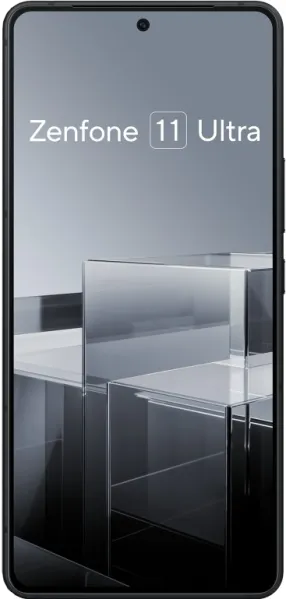
Xiaomi Redmi Note 12 Pro vs. Asus Zenfone 11 Ultra: A Deep Dive
Let's dissect these two intriguing smartphones, the Xiaomi Redmi Note 12 Pro and the Asus Zenfone 11 Ultra, cutting through the spec sheet to uncover what truly matters for you, the user.
1. Specifications Breakdown
| Feature | Xiaomi Redmi Note 12 Pro | Asus Zenfone 11 Ultra | Real-World Implications |
|---|---|---|---|
| Design | |||
| Dimensions (mm) | 163 x 76 x 8 | 163.8 x 76.8 x 8.9 | Zenfone 11 Ultra slightly larger and heavier; Noticeable in hand but not drastically different. |
| Weight (g) | 187 | 224 | Redmi Note 12 Pro noticeably lighter for comfortable one-handed use. |
| Display | |||
| Size (inches) | 6.67 | 6.78 | Zenfone 11 Ultra offers a marginally larger screen. |
| Resolution | 1080 x 2400 | 1080 x 2400 | Identical resolution; sharpness comparable on both. |
| Refresh Rate (Hz) | 120 | 144 | Zenfone 11 Ultra smoother for scrolling and gaming; Redmi Note 12 Pro still excellent in this regard. |
| Panel Type | AMOLED | LTPO AMOLED | Zenfone 11 Ultra's LTPO panel allows for dynamic refresh rate adjustment, saving battery. |
| Peak Brightness | 900 nits | 2500 nits | Zenfone 11 Ultra far brighter for superior outdoor visibility. |
| Performance | |||
| Chipset | Dimensity 1080 (6nm) | Snapdragon 8 Gen 3 (4nm) | Zenfone 11 Ultra significantly more powerful for demanding tasks and future-proofing. |
| CPU | Octa-core | Octa-core | Zenfone 11 Ultra utilizes newer core architecture for superior performance and efficiency. |
| GPU | Mali-G68 MC4 | Adreno 750 | Zenfone 11 Ultra boasts significantly better graphics performance for gaming and visually intensive apps. |
| RAM | 6/8/12GB | 12/16GB | Zenfone 11 Ultra offers more RAM in its configurations, enabling better multitasking and app management. |
| Camera | |||
| Main Sensor | 50MP Sony IMX766 | 50MP Sony IMX890 | Both excellent sensors, but IMX890 generally considered slightly superior. |
| Video Recording | 4K@30fps | 8K@24fps | Zenfone 11 Ultra capable of higher resolution video recording. |
| DXOMARK Score | 102 | 125 | Zenfone 11 Ultra scores significantly higher overall in image quality. |
| Battery Life | |||
| Capacity (mAh) | 5000 | 5500 | Zenfone 11 Ultra has a larger battery. |
2. Key Insights
The Redmi Note 12 Pro presents itself as a well-rounded mid-range contender. Its strengths lie in its lightweight design, vibrant AMOLED display, and capable camera system anchored by the Sony IMX766 sensor. The Dimensity 1080 provides sufficient power for everyday tasks, though it won't match the raw performance of flagship chipsets.
The Zenfone 11 Ultra, on the other hand, is a clear powerhouse. The Snapdragon 8 Gen 3 catapults it into the flagship arena, ensuring buttery smooth performance even with the most demanding applications and games. Its LTPO AMOLED display with a 144Hz refresh rate and exceptional brightness provides a visually stunning experience. The camera system, backed by the newer Sony IMX890 sensor and boasting 8K video recording, promises exceptional image and video quality.
3. User Profiles and Recommendations
Redmi Note 12 Pro: Ideal for users seeking a balanced, affordable device for everyday use. Excellent for social media, web browsing, casual gaming, and photography.
Zenfone 11 Ultra: Perfect for power users, gamers, and content creators. Its top-tier performance, stunning display, and advanced camera system cater to those who demand the best.
4. Buying Decision Framework
- What's your budget? The Redmi Note 12 Pro is significantly more affordable.
- What are your primary use cases? For everyday tasks, the Redmi Note 12 Pro suffices; for demanding workloads and gaming, the Zenfone 11 Ultra excels.
- How important is future-proofing? The Zenfone 11 Ultra, with its cutting-edge processor, is better equipped for the long haul.
My Choice: Asus Zenfone 11 Ultra
While the Redmi Note 12 Pro is a compelling mid-ranger, I'd choose the Zenfone 11 Ultra. As a tech enthusiast who values top-tier performance and a future-proof device, the Snapdragon 8 Gen 3, coupled with the brilliant LTPO AMOLED display and advanced camera system, is too enticing to resist. The price premium is justified for the substantial leap in capabilities and longevity. The brighter display is also a huge factor for me as I often use my phone outdoors. While the weight difference is noticeable, it's not a dealbreaker considering the significant performance gains.
