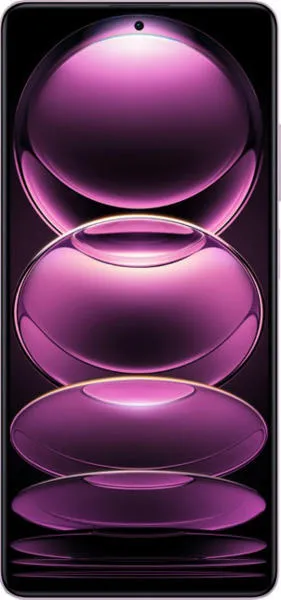
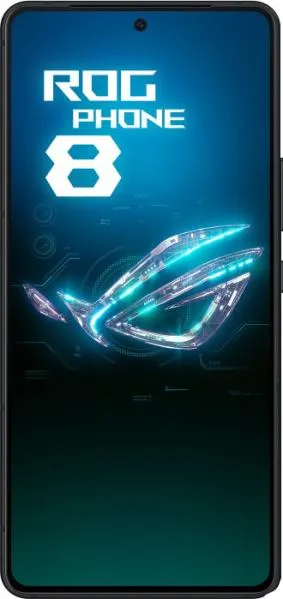
Xiaomi Redmi Note 12 Pro vs. Asus ROG Phone 8: A Deep Dive
Let's dissect the Xiaomi Redmi Note 12 Pro and the Asus ROG Phone 8, two compelling smartphones targeting different niches. We'll go beyond the spec sheet to understand what these differences truly mean for you.
1. Specifications Breakdown
| Feature | Xiaomi Redmi Note 12 Pro | Asus ROG Phone 8 | Real-World Implications |
|---|---|---|---|
| Design | |||
| Dimensions (mm) | 163 x 76 x 8 | 163.8 x 76.8 x 8.9 | ROG Phone 8 slightly larger and thicker, potentially less pocketable |
| Weight (g) | 187 | 225 | ROG Phone 8 noticeably heavier |
| Display | |||
| Size (inches) | 6.67 | 6.78 | ROG Phone 8 offers a slightly larger viewing area |
| Resolution | 1080 x 2400 | 1080 x 2400 | Identical sharpness; both crisp and detailed |
| Refresh Rate (Hz) | 120 | 165 | ROG Phone 8 smoother for gaming and scrolling; noticeable difference |
| Display Type | AMOLED | LTPO AMOLED | ROG Phone 8 more power-efficient due to variable refresh rate |
| Peak Brightness | 900 nits | 2500 nits | ROG Phone 8 dramatically brighter for outdoor visibility |
| Performance | |||
| Chipset | Dimensity 1080 (6nm) | Snapdragon 8 Gen 3 (4nm) | ROG Phone 8 significantly faster and more powerful |
| CPU | Octa-core (2x2.6 GHz A78 & 6x2.0 GHz A55) | Octa-core (1x3.3 GHz X4 &...) | ROG Phone 8 boasts superior core performance for demanding tasks |
| GPU | Mali-G68 MC4 | Adreno 750 | ROG Phone 8 delivers a major leap in graphics performance |
| RAM | 6/8/12GB | 12/16GB | ROG Phone 8 offers more RAM for multitasking and future-proofing |
| Camera | |||
| Main Camera | 50MP (Sony IMX766) | 50MP (Sony IMX890) | Comparable main sensors, potentially similar image quality |
| Video Recording | 4K@30fps | 8K@24fps | ROG Phone 8 capable of higher resolution video recording |
| Battery Life | |||
| Capacity (mAh) | 5000 | 6000 | ROG Phone 8 has a larger battery, potentially longer endurance |
2. Key Insights
The Redmi Note 12 Pro is a well-rounded mid-range device focusing on value. It offers a solid display, capable performance for everyday tasks, and a decent camera system. Its strengths lie in its affordability and overall balance.
The ROG Phone 8, on the other hand, is a gaming powerhouse. Its cutting-edge processor, high refresh rate display, superior cooling system (not detailed in specs but typical for ROG phones), and larger battery are geared towards demanding gamers and power users.
3. User Profiles and Recommendations
Redmi Note 12 Pro: Ideal for budget-conscious users, social media enthusiasts, casual photographers, and those seeking a reliable all-around device.
ROG Phone 8: Perfect for mobile gamers, power users who demand top-tier performance, content creators, and anyone who prioritizes the latest and greatest technology.
4. Buying Decision Framework
- What is your budget? The Redmi Note 12 Pro is significantly more affordable.
- What are your primary use cases? Gaming and demanding tasks favor the ROG Phone 8; everyday use is well-handled by the Redmi Note 12 Pro.
- How important is future-proofing? The ROG Phone 8's superior hardware will likely age better.
My Choice: Asus ROG Phone 8
While the Redmi Note 12 Pro offers excellent value, I'd choose the ROG Phone 8. As a tech enthusiast who appreciates cutting-edge performance, the Snapdragon 8 Gen 3, coupled with the high refresh rate LTPO AMOLED display and larger battery, is incredibly appealing. The future-proofing aspect is crucial for me, as I tend to keep my devices for an extended period. Though the price premium is significant, the ROG Phone 8 offers a substantial jump in capabilities that aligns with my usage patterns. I'm willing to invest in the best possible mobile experience, even if it means spending more upfront. The enhanced gaming capabilities, smoother overall performance, and brighter display are all features I value greatly.
