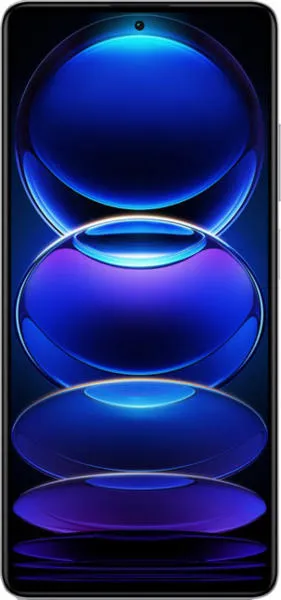
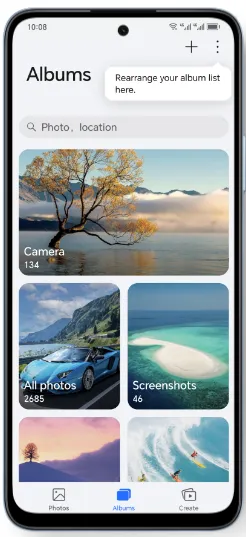
Xiaomi Redmi Note 12 Pro+ vs. Honor X7b: A Detailed Comparison
Let's dive into a head-to-head comparison of the Xiaomi Redmi Note 12 Pro+ and the Honor X7b, dissecting their specifications and uncovering what they truly offer in real-world usage.
1. Specifications Breakdown
| Feature | Xiaomi Redmi Note 12 Pro+ | Honor X7b | Real-World Implications |
|---|---|---|---|
| Design | |||
| Dimensions (mm) | 162.9 x 76 x 8.9 | 167.7 x 76.5 x 8.2 | Pro+ is slightly more compact |
| Weight (g) | 208.4 | 199 | Pro+ feels a bit more substantial, X7b lighter in hand |
| Display | |||
| Type | OLED, 120Hz | IPS LCD, 90Hz | Pro+ offers richer blacks, smoother scrolling; X7b potentially better battery life in some scenarios |
| Size | 6.67" | 6.8" | X7b slightly larger screen real estate |
| Resolution | 1080 x 2400 | 1080 x 2412 | Virtually identical sharpness |
| HDR | Dolby Vision, HDR10+ | None | Pro+ significantly better for HDR content consumption |
| Performance | |||
| Chipset | Dimensity 1080 (6nm) | Snapdragon 680 4G (6nm) | Pro+ noticeably faster and more powerful for demanding tasks and gaming |
| CPU | Octa-core (2x2.6 GHz A78 & 6x2.0 GHz A55) | Octa-core (4x2.4 GHz Kryo 265 & 4x1.9 GHz Kryo 265) | Pro+ superior multi-core performance |
| GPU | Mali-G68 MC4 | Adreno 610 | Pro+ much stronger graphics performance |
| RAM | 8GB/12GB | 6GB/8GB | Pro+ offers configurations with more RAM for smoother multitasking |
| Camera | |||
| Main Camera | 200MP, f/1.65 | 108MP, f/1.8 | Pro+ higher resolution, potentially better detail in good lighting; real-world performance depends on processing |
| Video | 4K@30fps, 1080p@120fps | 1080p@30fps | Pro+ offers much higher resolution and slow-motion video recording capabilities |
| Battery Life | |||
| Capacity | 5000 mAh | 5330 mAh | X7b slightly larger battery, but Pro+'s more efficient display might balance things out |
| Charging | Fast Charging | Standard | Pro+ likely to charge significantly faster (specifics not provided for either phone) |
2. Key Insights
The Redmi Note 12 Pro+ positions itself as a performance-oriented device with a stunning display. The Dimensity 1080 chipset, coupled with up to 12GB of RAM, ensures smooth multitasking and handles demanding games with ease. The 120Hz OLED display with Dolby Vision and HDR10+ support provides a vibrant and immersive visual experience. The 200MP camera, while impressive on paper, needs real-world testing to assess its true capabilities.
The Honor X7b, on the other hand, prioritizes battery life and affordability. The larger 5330 mAh battery should deliver excellent longevity, but the Snapdragon 680 is a less powerful processor, resulting in slower performance compared to the Pro+. The 90Hz IPS LCD is decent but lacks the richness and smoothness of the Pro+'s OLED.
3. User Profiles and Recommendations
Redmi Note 12 Pro+: Ideal for users who prioritize performance, a premium display, and mobile gaming. Content creators who shoot a lot of video will also appreciate the superior camera capabilities.
Honor X7b: Best suited for users who value long battery life and basic functionality. It's a good option for those on a tighter budget who primarily use their phones for social media, browsing, and light tasks.
4. Buying Decision Framework
- What is your budget? The X7b is generally more affordable.
- What is your primary phone usage? Gaming and media consumption favor the Pro+; basic tasks and long battery life point to the X7b.
- How important is display quality? The Pro+'s OLED significantly outshines the X7b's LCD.
My Choice: Xiaomi Redmi Note 12 Pro+
If I were choosing between these two, I'd go with the Redmi Note 12 Pro+. While the Honor X7b offers impressive battery life, I personally value a smoother, more responsive user experience, a vibrant display, and the ability to handle demanding tasks without lag. The Pro+'s superior processor, OLED display, and faster refresh rate are significant advantages that outweigh the slightly smaller battery for my usage pattern. The significant difference in camera capabilities, especially video recording, is also a major deciding factor. I'm willing to compromise a bit on battery capacity for a more well-rounded and future-proof device.
