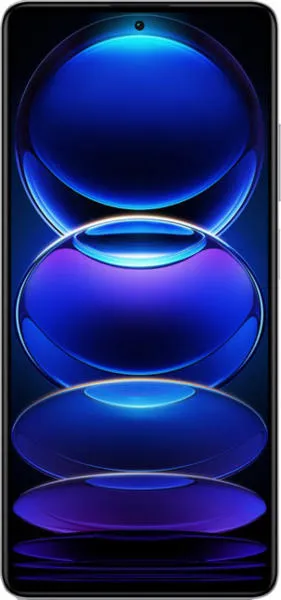

Xiaomi Redmi Note 12 Pro+ vs. Asus Zenfone 11 Ultra: A Deep Dive
Let's dissect these two intriguing smartphones, the Xiaomi Redmi Note 12 Pro+ and the Asus Zenfone 11 Ultra, cutting through the marketing fluff to uncover what truly matters for you, the user.
1. Specifications Breakdown
| Feature | Xiaomi Redmi Note 12 Pro+ | Asus Zenfone 11 Ultra | Real-World Implications |
|---|---|---|---|
| Design | |||
| Dimensions (mm) | 162.9 x 76 x 8.9 | 163.8 x 76.8 x 8.9 | Zenfone 11 Ultra slightly larger; negligible difference in daily use. |
| Weight (g) | 208.4 | 224 | Noticeable difference; Zenfone 11 Ultra feels more substantial. |
| Display | |||
| Size (inches) | 6.67 | 6.78 | Zenfone 11 Ultra offers slightly more screen real estate. |
| Resolution (px) | 1080 x 2400 | 1080 x 2400 | Identical resolution; sharpness comparable on both devices. |
| Refresh Rate (Hz) | 120 | 144 | Zenfone 11 Ultra smoother for scrolling and gaming; noticeable difference. |
| Display Type | OLED | LTPO AMOLED | Zenfone 11 Ultra potentially more power-efficient due to LTPO, allowing for variable refresh rates. |
| Peak Brightness | 900 nits | 2500 nits | Zenfone 11 Ultra dramatically brighter for superior outdoor visibility. |
| Performance | |||
| Chipset | Mediatek Dimensity 1080 | Snapdragon 8 Gen 3 | Significant performance advantage for Zenfone 11 Ultra in demanding tasks and gaming. |
| CPU | Octa-core (2.6 GHz A78...) | Octa-core (3.3 GHz X4..) | Zenfone 11 Ultra's newer CPU architecture offers superior performance and efficiency. |
| GPU | Mali-G68 MC4 | Adreno 750 | Zenfone 11 Ultra provides significantly better graphics performance. |
| RAM | 8GB | 12/16GB | Zenfone 11 Ultra offers more RAM for smoother multitasking and future-proofing. |
| Camera | |||
| Main Sensor | 200MP Samsung HPX | 50MP Sony IMX890 | Megapixel count doesn't tell the whole story; image quality depends on sensor size, processing. |
| Video | 4K@30fps | 8K@24fps | Zenfone 11 Ultra capable of higher resolution video recording. |
| Battery Life | |||
| Capacity (mAh) | 5000 | 5500 | Zenfone 11 Ultra has a larger battery, but actual battery life depends on usage and optimization. |
2. Key Insights
The Redmi Note 12 Pro+ focuses on delivering a solid mid-range experience with a strong emphasis on its 200MP camera. While megapixels don't guarantee quality, it promises detailed images. The 120Hz OLED display offers a smooth visual experience.
The Zenfone 11 Ultra, on the other hand, is a true flagship contender. The Snapdragon 8 Gen 3 chipset, coupled with ample RAM and a 144Hz LTPO AMOLED display, screams performance. Its camera system, while boasting fewer megapixels in the main sensor, benefits from a larger sensor size and advanced features like gimbal stabilization.
3. User Profiles and Recommendations
Redmi Note 12 Pro+: Ideal for budget-conscious users who prioritize a good camera and a smooth display. Excellent for everyday tasks, social media, and casual gaming.
Zenfone 11 Ultra: Perfect for power users, gamers, and content creators who demand top-tier performance, a stunning display, and advanced camera features.
4. Buying Decision Framework
- What's your budget? The Redmi Note 12 Pro+ offers excellent value for its price, while the Zenfone 11 Ultra commands a premium.
- What are your performance needs? For demanding tasks and gaming, the Zenfone 11 Ultra is the clear winner.
- How important is battery life? While the Zenfone 11 Ultra has a larger battery, real-world usage will determine the winner.
My Choice: Asus Zenfone 11 Ultra
If I were choosing, I'd go for the Zenfone 11 Ultra. While the Redmi Note 12 Pro+ is a compelling mid-ranger, the Zenfone 11 Ultra's future-proof performance, superior display, and advanced camera features are too tempting to resist. The Snapdragon 8 Gen 3 provides a significant leap in processing power, ensuring a smooth and responsive experience for years to come. The brighter, more power-efficient LTPO AMOLED display is a game-changer for outdoor use and media consumption. While I acknowledge the higher price tag, the Zenfone 11 Ultra offers a level of performance and innovation that justifies the investment for my needs.
