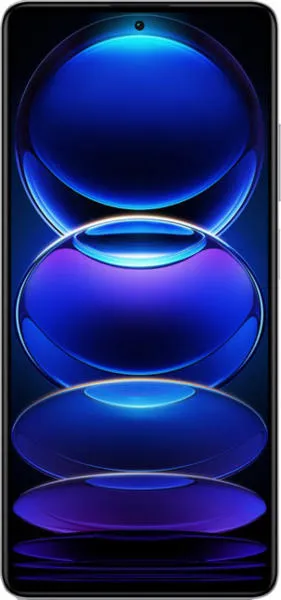
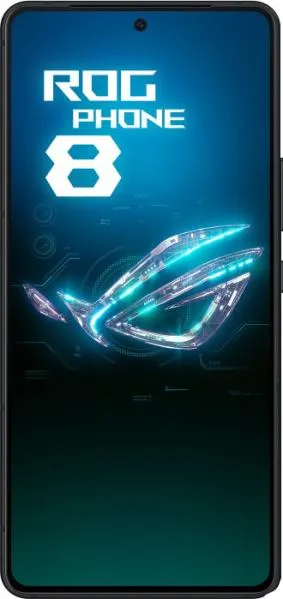
Xiaomi Redmi Note 12 Pro+ vs. Asus ROG Phone 8: A Deep Dive
Let's dissect the Xiaomi Redmi Note 12 Pro+ and the Asus ROG Phone 8, two compelling smartphones with distinct strengths. We'll go beyond the spec sheet to understand what these differences truly mean for you.
1. Specifications Breakdown
| Feature | Xiaomi Redmi Note 12 Pro+ | Asus ROG Phone 8 | Real-World Implications |
|---|---|---|---|
| Design | |||
| Dimensions (mm) | 162.9 x 76 x 8.9 | 163.8 x 76.8 x 8.9 | ROG Phone 8 slightly larger; negligible difference in daily use. |
| Weight (g) | 208.4 | 225 | Redmi Note 12 Pro+ noticeably lighter, reducing hand fatigue during extended use. |
| Display | |||
| Size (inches) | 6.67 | 6.78 | ROG Phone 8 offers slightly more screen real estate. |
| Resolution (px) | 1080 x 2400 | 1080 x 2400 | Identical resolution; sharpness comparable on both devices. |
| Refresh Rate (Hz) | 120 | 165 | ROG Phone 8's 165Hz provides smoother animations and scrolling, especially noticeable in gaming. |
| Display Type | OLED | LTPO AMOLED | Both offer vibrant colors and deep blacks; ROG Phone 8's LTPO panel allows for variable refresh rate, potentially saving battery. |
| Peak Brightness | 900 nits | 2500 nits | ROG Phone 8 significantly brighter, ensuring excellent outdoor visibility. |
| Performance | |||
| Chipset | Mediatek Dimensity 1080 | Snapdragon 8 Gen 3 | ROG Phone 8 boasts a significantly more powerful processor, resulting in superior performance across all tasks. |
| CPU | Octa-core (2.6 GHz A78...) | Octa-core (3.3 GHz X4...) | ROG Phone 8's CPU offers a substantial performance leap, especially in demanding applications and games. |
| GPU | Mali-G68 MC4 | Adreno 750 | ROG Phone 8's GPU delivers significantly better gaming and graphics performance. |
| RAM (GB) | 8/12 | 12/16 | More RAM in ROG Phone 8 enables smoother multitasking and better handling of demanding applications. |
| Camera | |||
| Main Camera (MP) | 200 MP | 50 MP | Redmi Note 12 Pro+ boasts higher megapixel count; ROG Phone 8 utilizes a larger sensor, potentially offering better low-light performance. |
| Video Recording | 4K@30fps | 8K@24fps | ROG Phone 8 capable of higher resolution video recording. |
| Battery Life | |||
| Capacity (mAh) | 5000 | 5500 | ROG Phone 8 has a slightly larger battery, but the more demanding hardware might offset this advantage. |
2. Key Insights
The Redmi Note 12 Pro+ focuses on delivering a solid all-around experience at a more affordable price point. Its strengths lie in its lightweight design, vibrant OLED display, and impressive 200MP main camera.
The ROG Phone 8, on the other hand, is a gaming powerhouse designed for peak performance. Its superior processor, high refresh rate display, and advanced cooling solutions cater to demanding users and mobile gamers.
3. User Profiles and Recommendations
Redmi Note 12 Pro+: Ideal for users seeking a well-rounded smartphone with a strong camera and a comfortable design, without breaking the bank. Excellent for everyday tasks, social media, and casual gaming.
ROG Phone 8: Perfect for hardcore mobile gamers, power users, and anyone who demands top-tier performance. Its advanced features and gaming-centric design justify the higher price for this specific audience.
4. Buying Decision Framework
- What is your budget? The Redmi Note 12 Pro+ offers excellent value for its price, while the ROG Phone 8 commands a premium.
- What are your primary use cases? For everyday tasks and casual gaming, the Redmi Note 12 Pro+ suffices. For demanding gaming and heavy multitasking, the ROG Phone 8 is the clear winner.
- Do you prioritize camera or performance? The Redmi Note 12 Pro+'s 200MP camera might appeal to photography enthusiasts, while the ROG Phone 8 prioritizes raw processing power.
My Choice: The Asus ROG Phone 8
While the Redmi Note 12 Pro+ offers excellent value, I'd choose the ROG Phone 8. As a tech enthusiast who appreciates cutting-edge performance, the Snapdragon 8 Gen 3, coupled with the 165Hz LTPO AMOLED display and advanced cooling, is incredibly appealing. The future-proof nature of the ROG Phone 8, thanks to its powerful hardware and potential for longer software support due to newer launch date, makes it a more compelling long-term investment for me. Though I am not a hardcore mobile gamer, I value a smooth and responsive user experience across all tasks, and the ROG Phone 8 undeniably delivers in that regard. The slightly higher price is justified by the significant performance jump and advanced features.
